
Why Vietnam Should Be Your Next Journey?
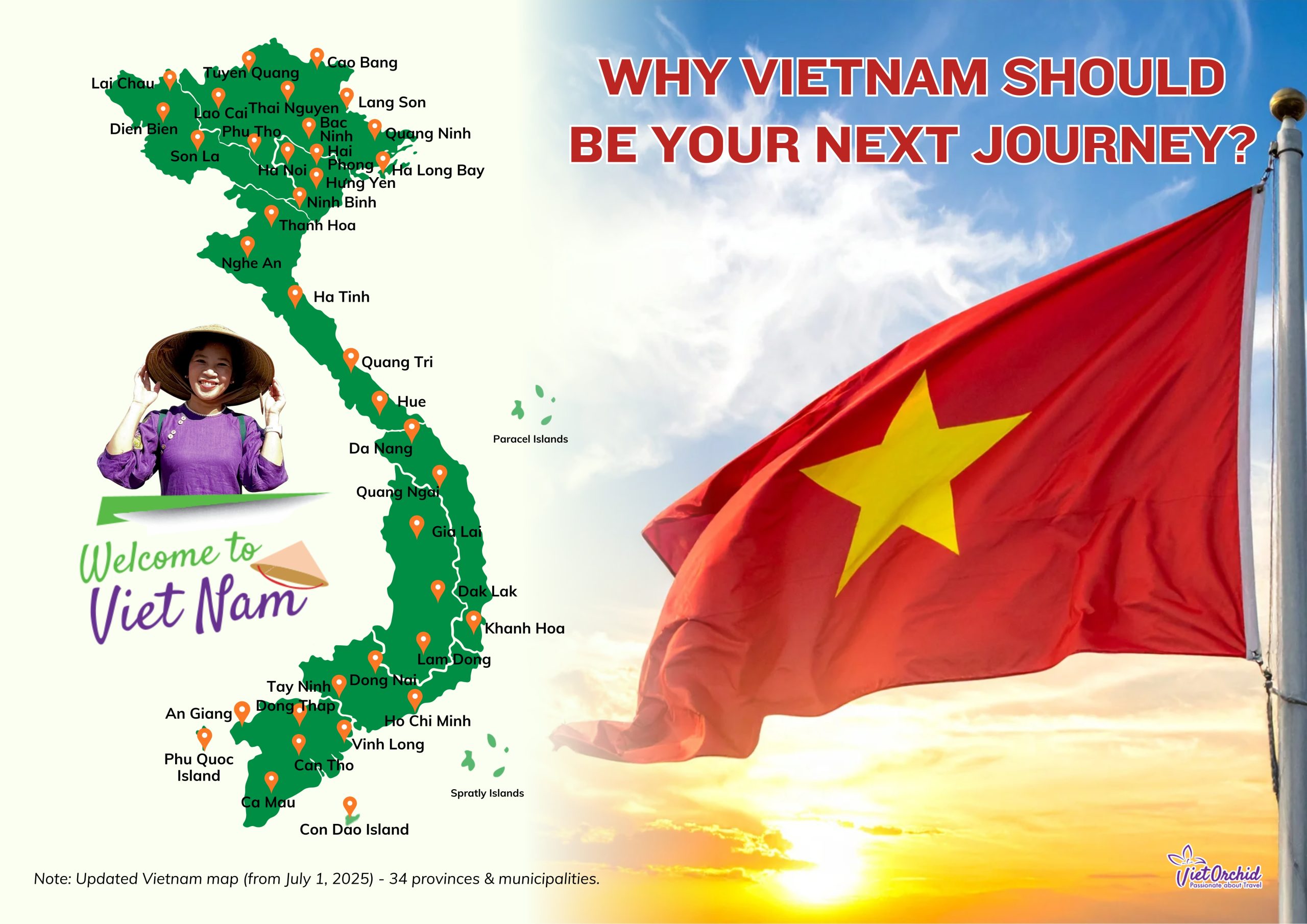
Vietnam is more than a destination on the map of Southeast Asia. It is a country where landscapes shift dramatically from mountains to sea, where ancient traditions continue quietly in everyday life, and where meaningful travel experiences unfold naturally through human connection.
If you are wondering why travel to Vietnam, the answer lies not in a single landmark, but in the country’s diversity – of culture, cuisine, history, craft, and people.
The answer lies not in a single landmark, but in the collection of genuine experiences that shape Vietnam’s unique identity. Let’s explore the beauty of Vietnam through these defining values together with Viet Orchid Travel.
1. Vietnam’s Traditional Crafts – Living Heritage in Everyday Life
One of the most unique things about traveling to Vietnam is the opportunity to discover traditional craft villages that are still active today.
Across the country, craftsmanship is not preserved behind glass in museums — it is part of daily life. And countless other traditional craft villages continue to thrive, preserving their heritage and cultural identity through generations.
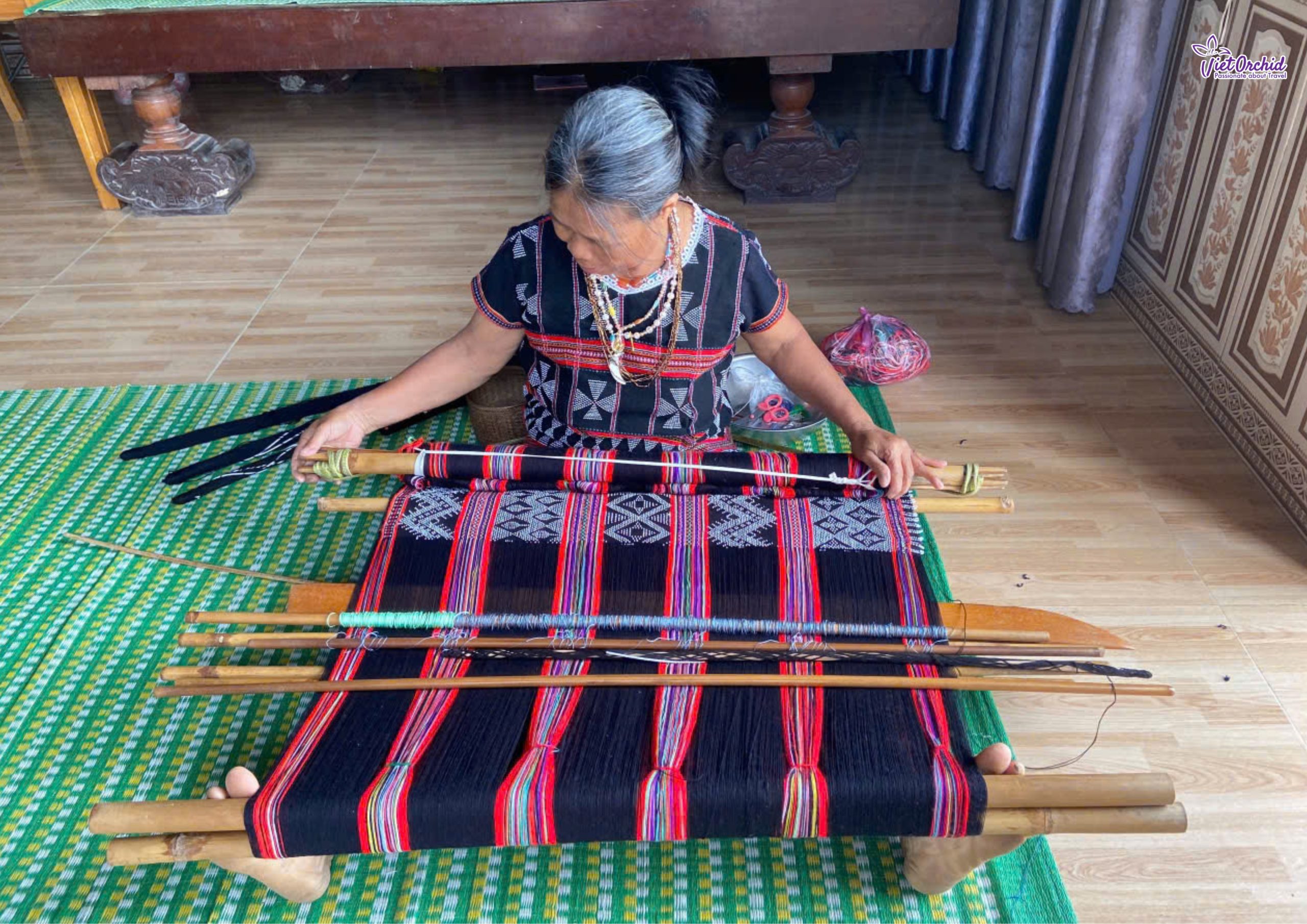 The traditional Zèng weaving village in A Luoi District, Hue
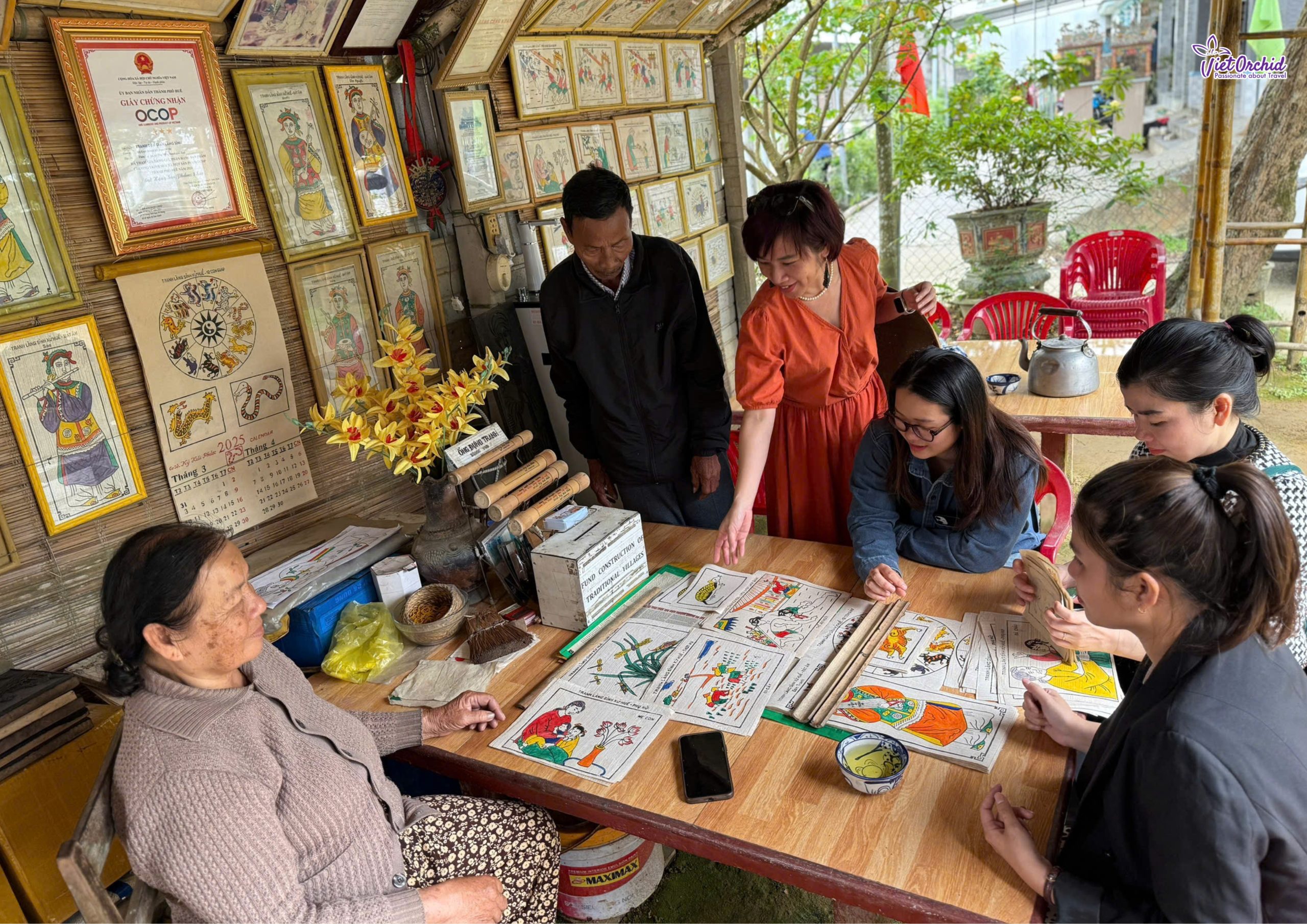 Artisan Ky Huu Phuoc – traditional folk woodblock paintings in Lang Sinh.
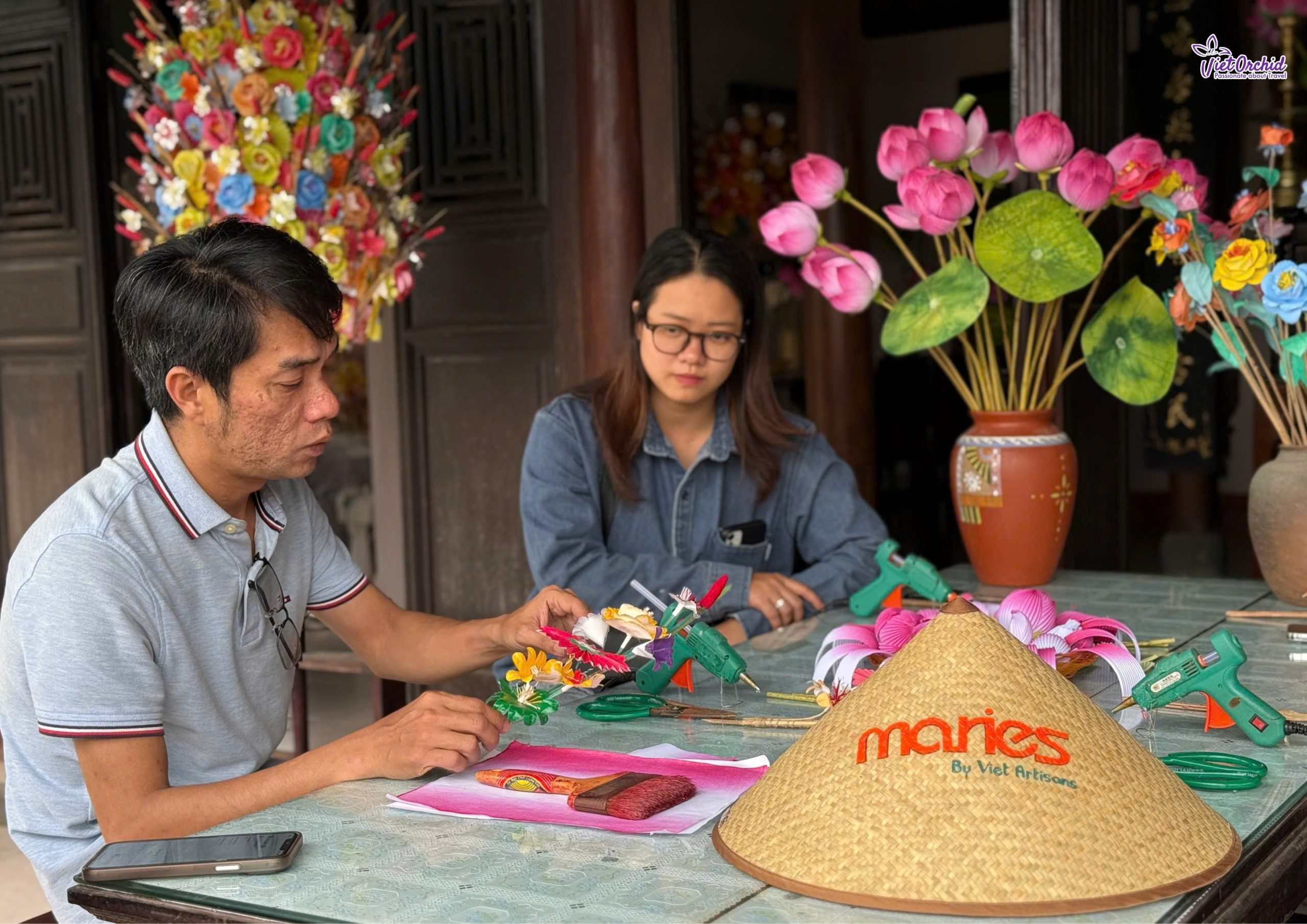 Artisan handcrafting vibrant paper flowers in Thanh Tien Paper Flower Village
In Northern Vietnam, Bat Trang Ceramic Village, with more than 700 years of history, continues to transform clay into refined handmade pottery. Near Hanoi, Quang Phu Cau Incense Village creates vibrant scenes of red incense drying in the sun, both visually striking and spiritually meaningful.
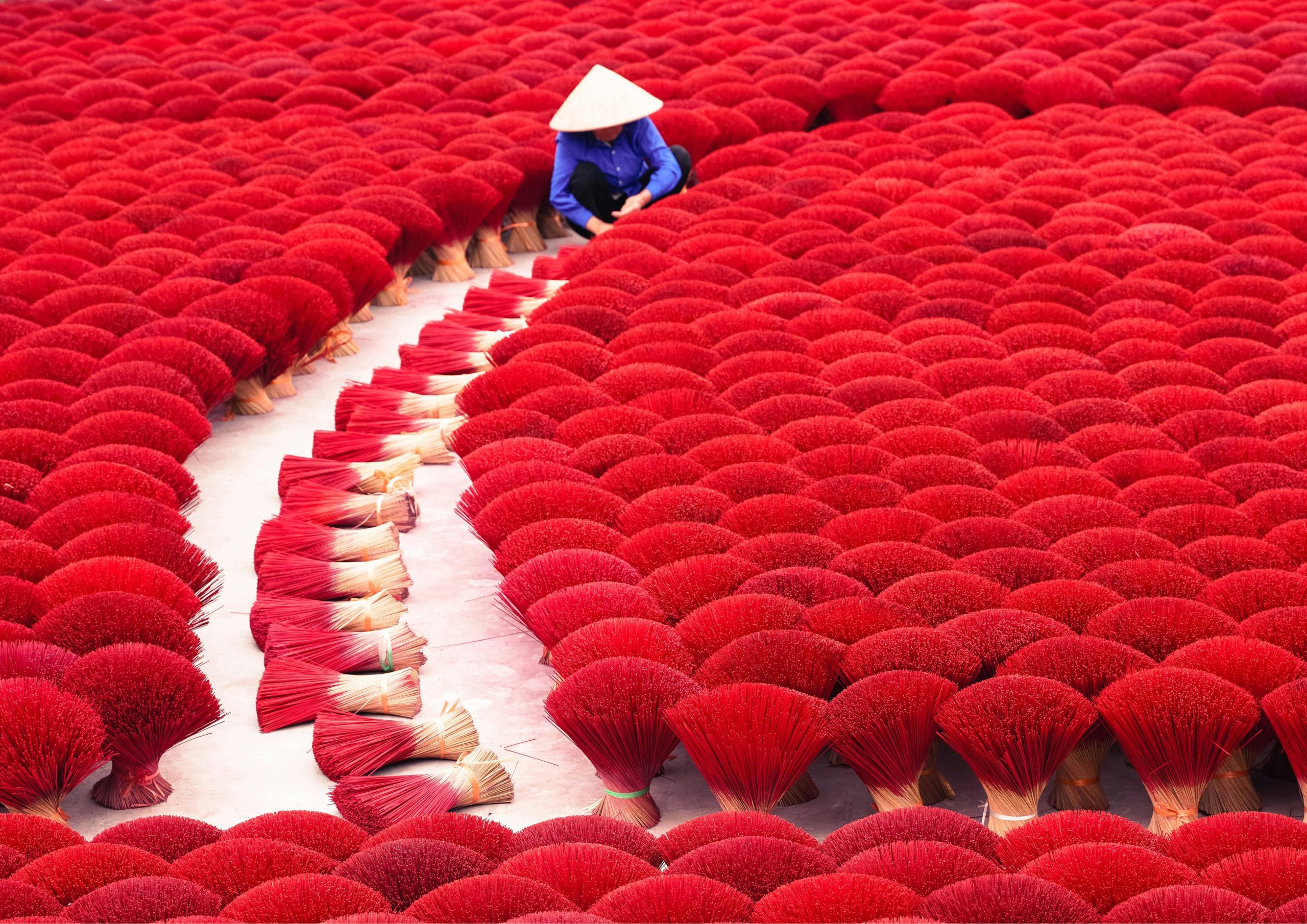 The vibrant red of incense drying in Quang Phu Cau Incense Village
Central Vietnam reflects delicate artistry and patience. In Hue, traditional conical hat making, embroidery, and handmade crafts remain quietly practiced in peaceful villages. In Hoi An, lantern-making has become a symbol of the ancient trading town’s cultural identity.
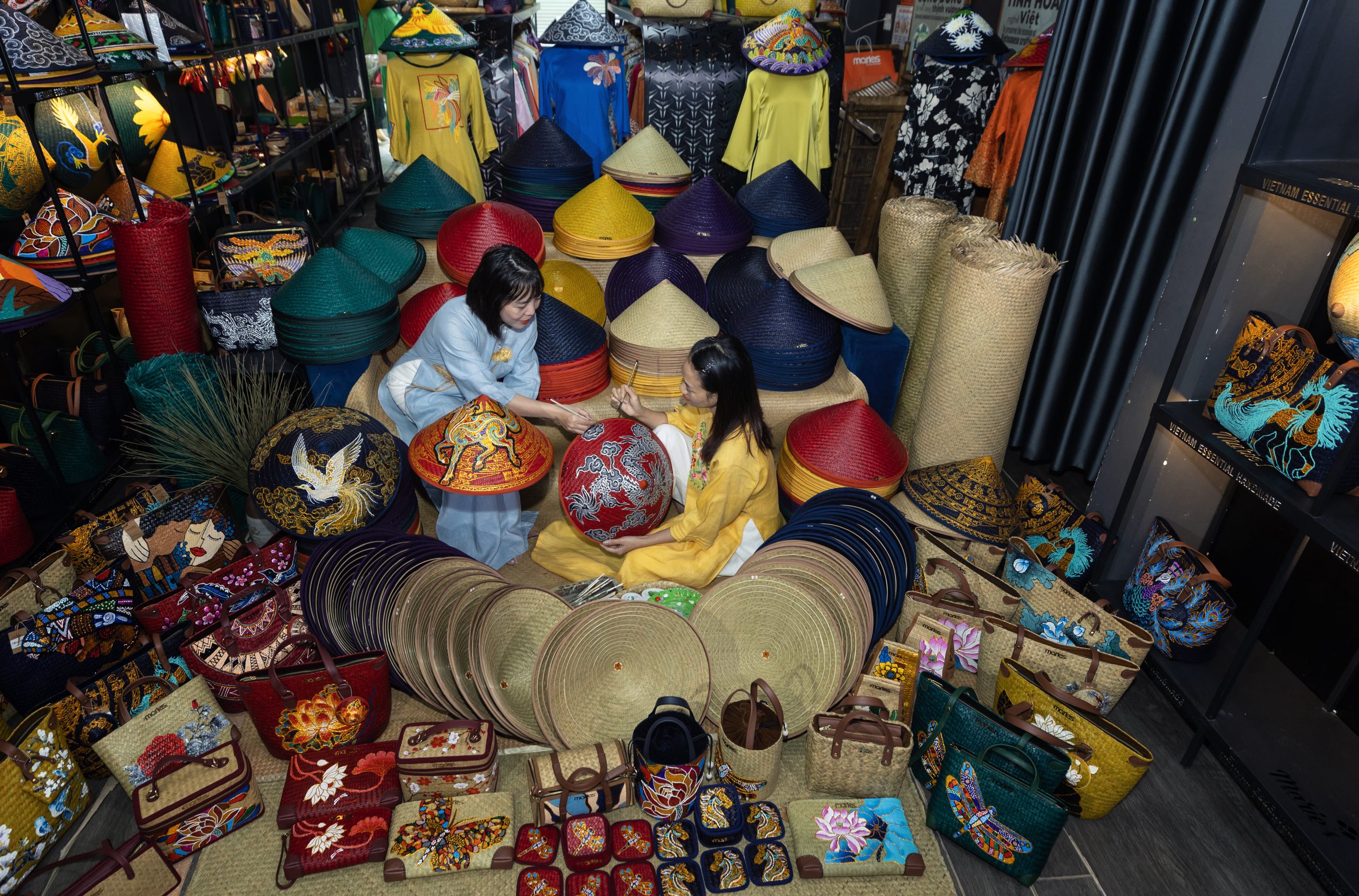 The conical hat is handcrafted from Lepironia leaves in Pho Trach Village, Hue.
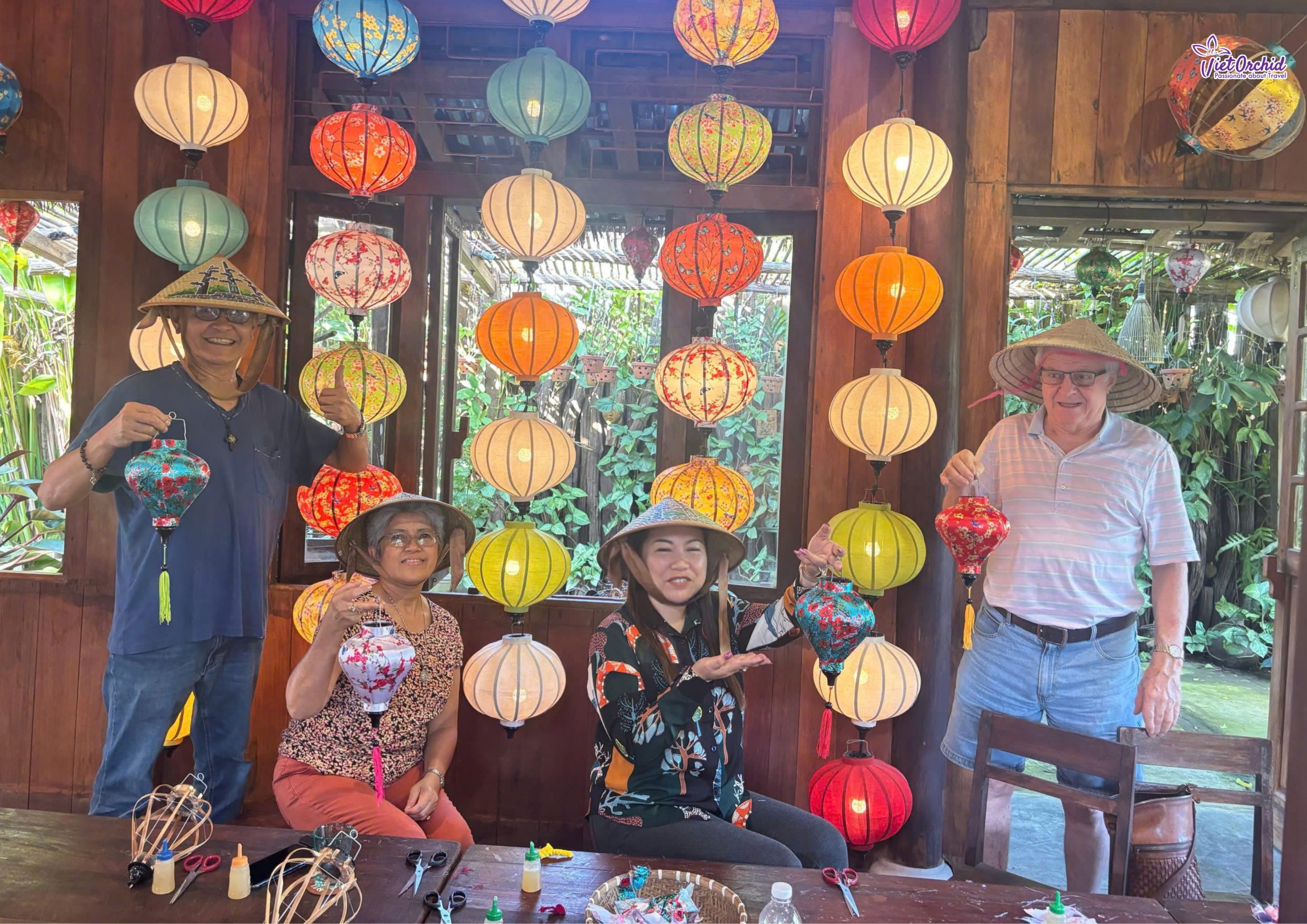 Viet Orchid Travel guests’ lantern-making experience in Hoi An.
In Southern Vietnam’s Mekong Delta, where river life shapes daily traditions, the vibrant rice noodle craft villages of Can Tho preserve the time-honored art of making hu tieu. Beyond noodle-making, the region is also known for other renowned handicrafts such as coconut candy production, woven water hyacinth products, and traditional boat building.
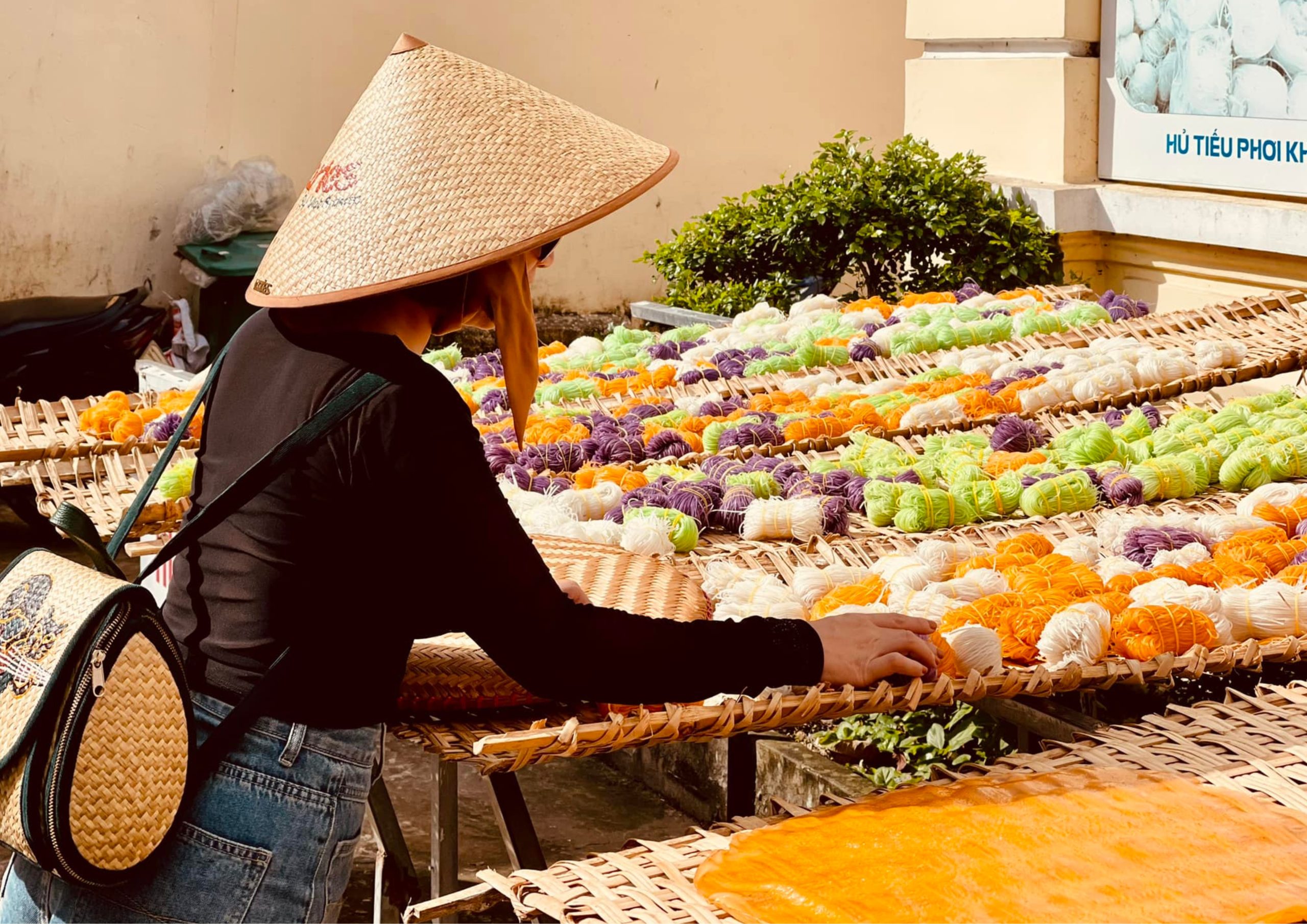
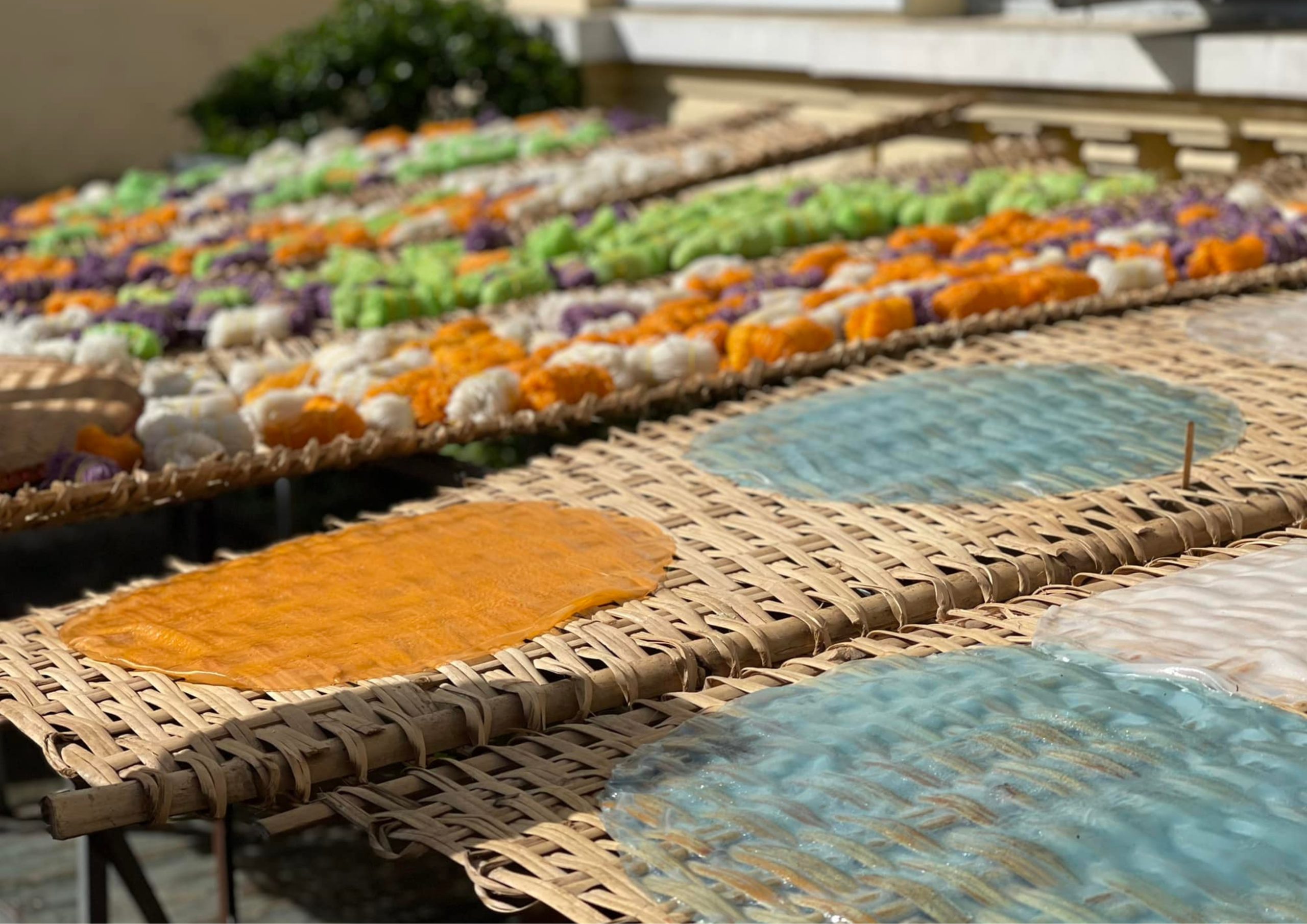
Traveling through these villages allows visitors to:
- Meet artisans personally
- Learn traditional techniques
- Understand generational heritage
- Support local communities
- Traditional crafts reveal the human stories behind Vietnam’s culture – stories of resilience, creativity, and pride.
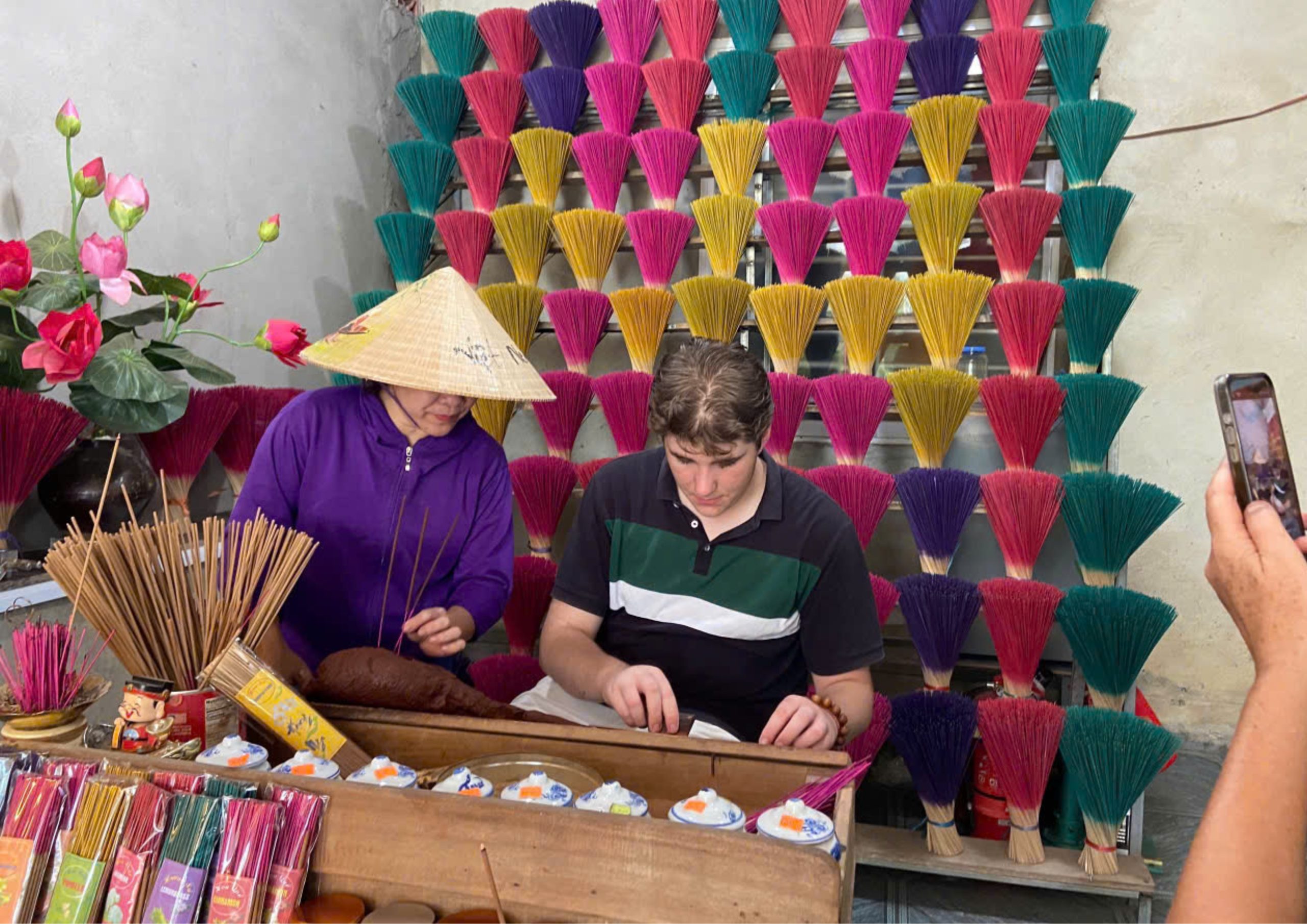 A hands-on incense-making experience guided by local artisans in Thuy Xuan Incense Village, Hue.
2. Traditional Vietnamese Villages – Experiencing Local Life at a Gentler Pace
Beyond bustling cities, Vietnam reveals another world – traditional villages where time seems to slow down.
Here, visitors often feel less like tourists and more like welcomed guests. Experiences may include planting vegetables, fishing with locals, or crafting lanterns and pottery by hand.
Many villages remain deeply connected to traditional occupations and long-standing lifestyles. Visiting these communities is not only about cultural discovery but also about supporting local people in preserving traditions that are gradually fading in modern life.
Notable examples include:
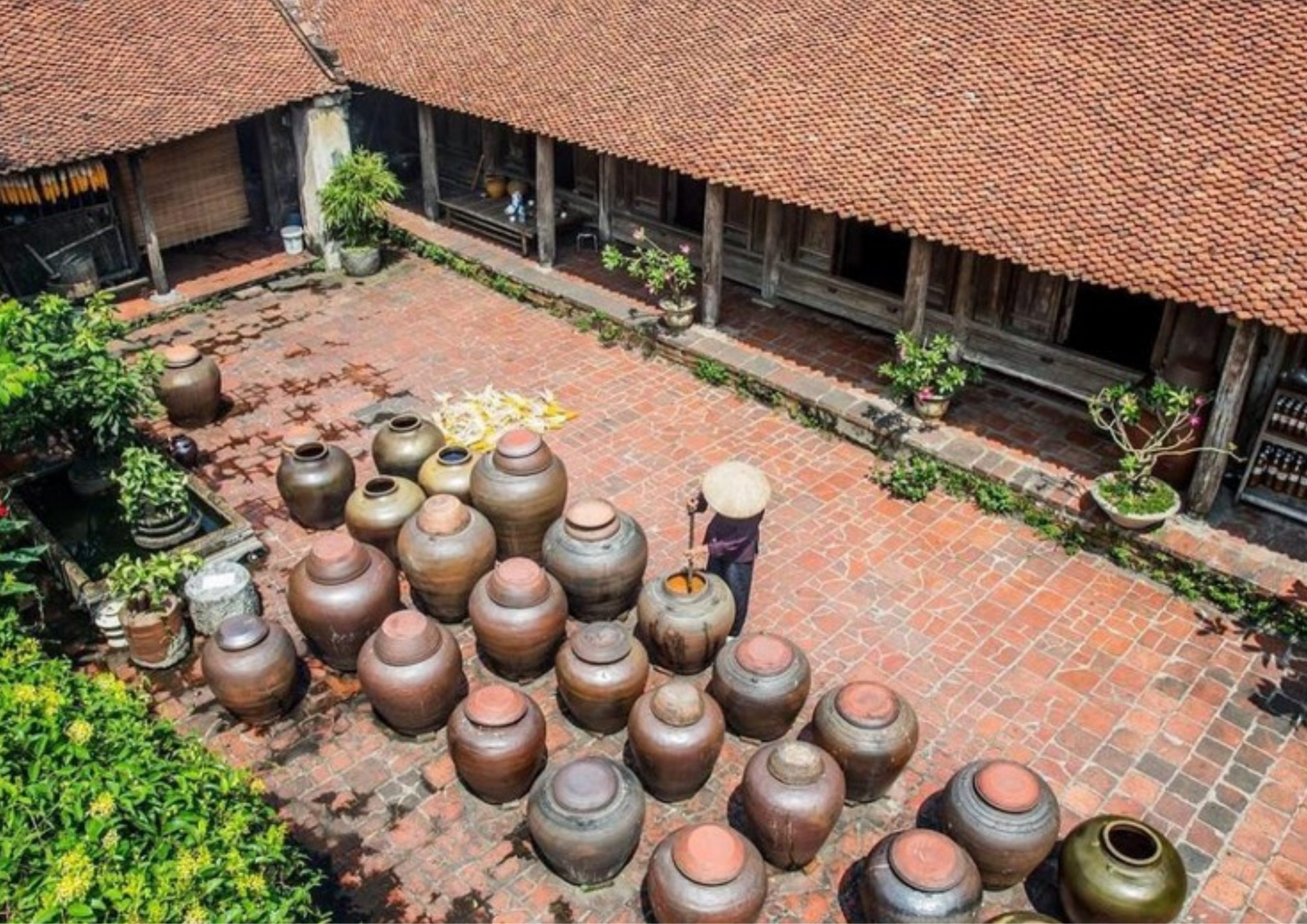
- Duong Lam Ancient Village (near Hanoi), one of the oldest preserved villages in Northern Vietnam, where laterite houses, village gates, and quiet lanes reflect centuries of rural Vietnamese life and tradition.
- Tra Que Vegetable Village (Hoi An), offering hands-on farming experiences using traditional cultivation methods.
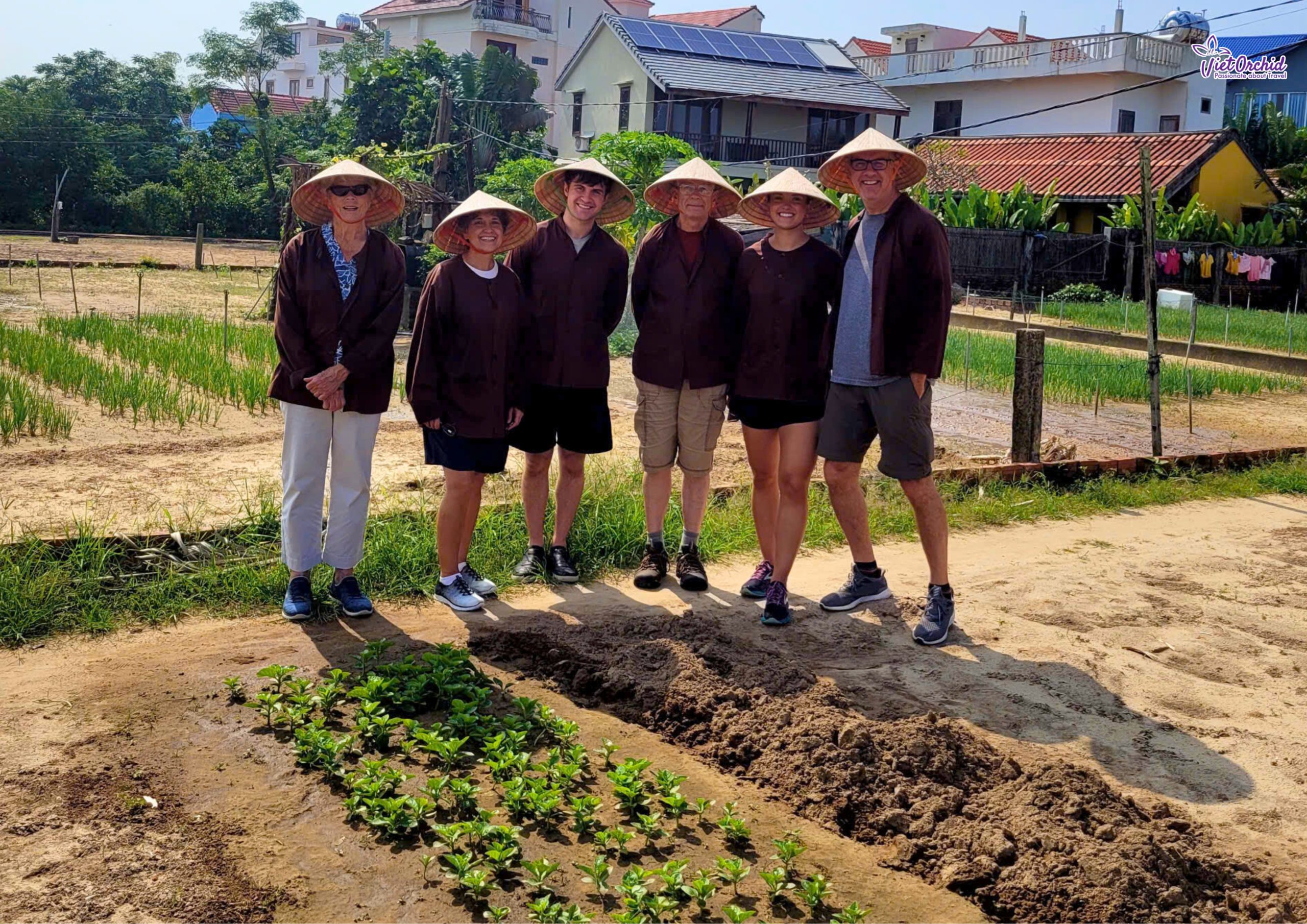
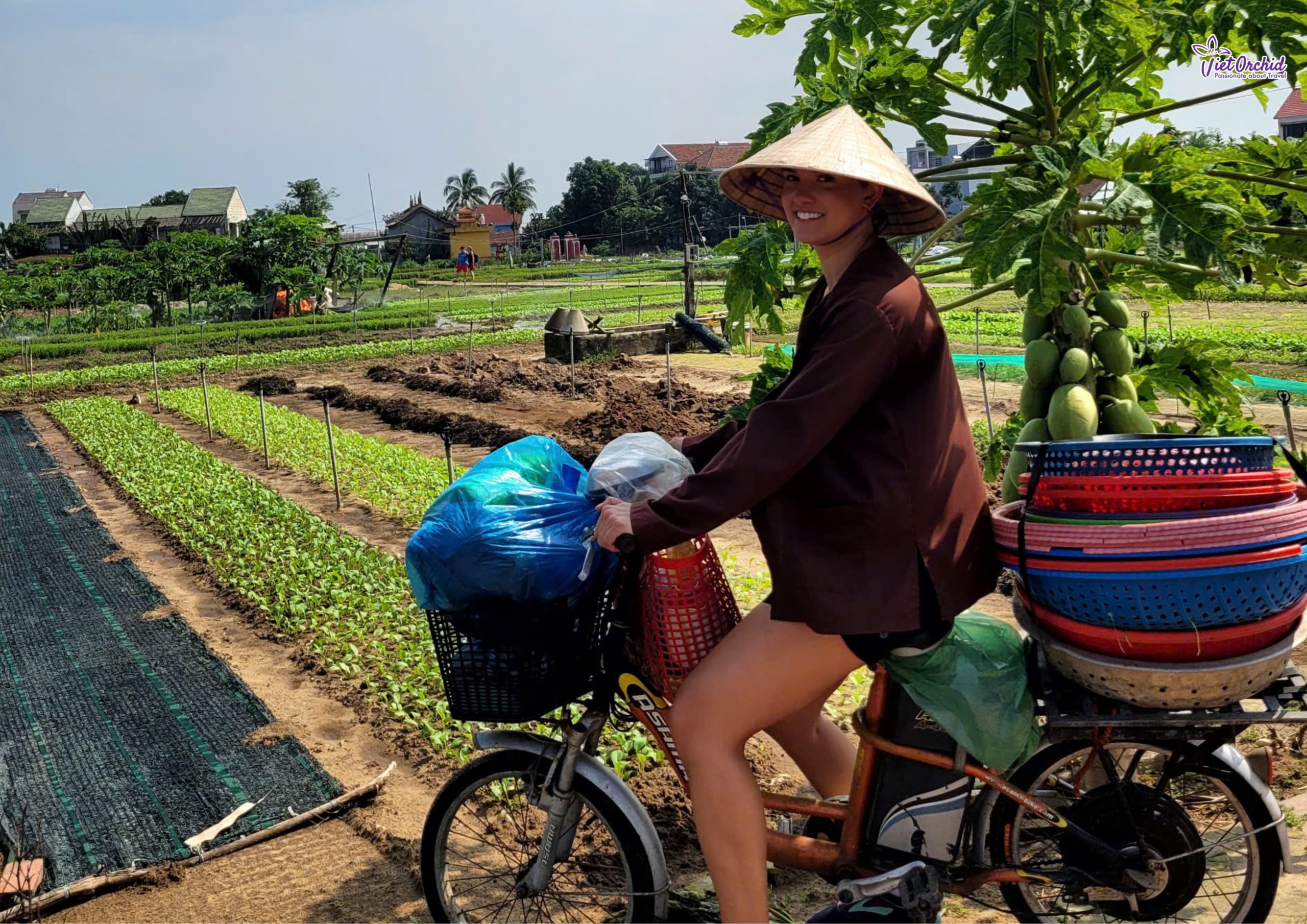 Becoming a local farmer for a day at Tra Que Vegetable Village
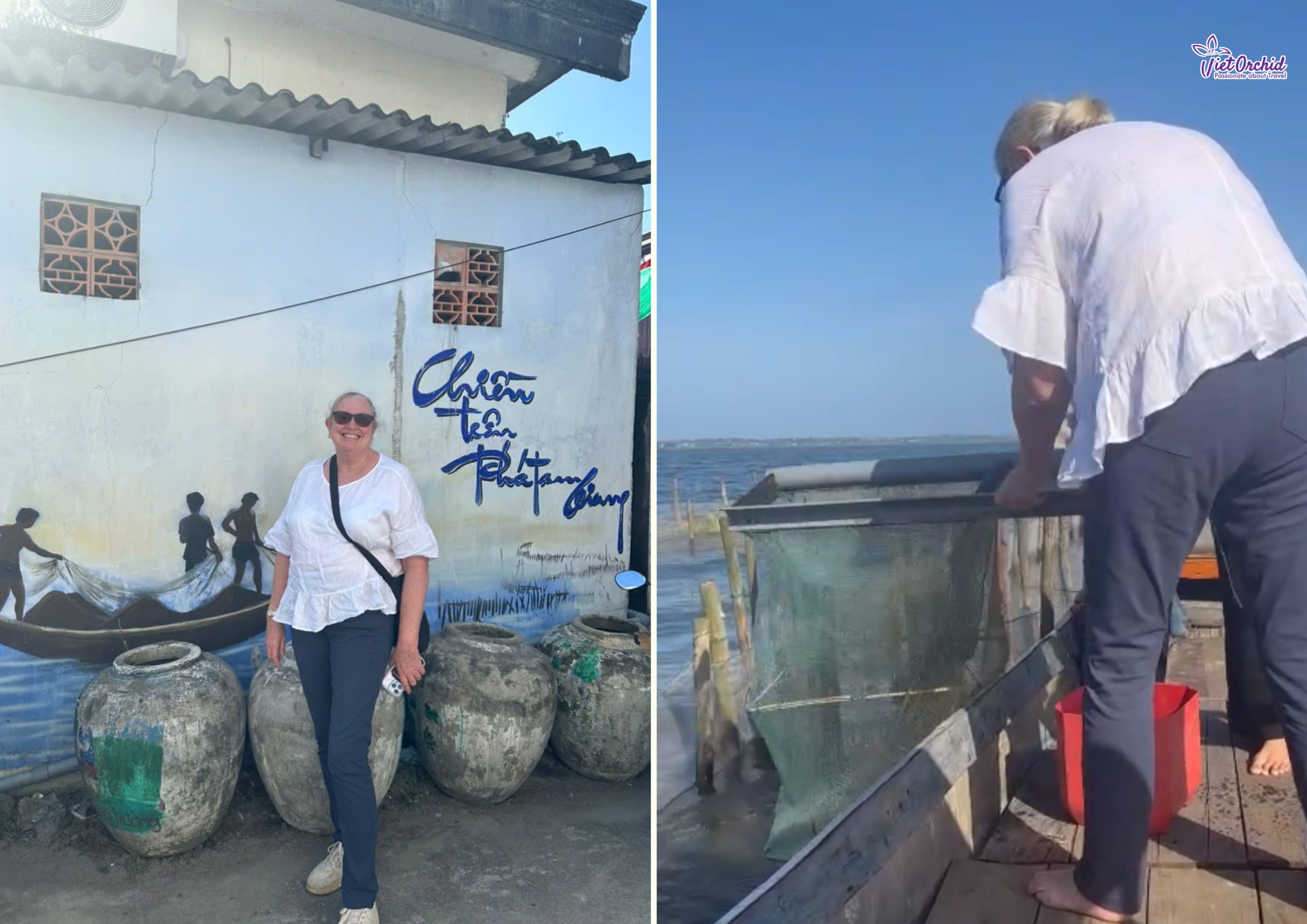
- Coastal fishing villages in Central Vietnam, where travelers can try traditional fishing at sunset on Tam Giang Lagoon.
- Phu Vinh Bamboo and Rattan Village (Ben Tre, Mekong Delta), where artisans weave bamboo and water hyacinth into handmade crafts, reflecting the river-based lifestyle of Southern Vietnam.
Walking or cycling along quiet village paths, visitors encounter an authentic Vietnam — unscripted, unhurried, and beautifully real.
3. Vietnamese Culture — A Harmony of Tradition and Modern Life
Vietnamese culture does not exist only in museums or history books; it lives within everyday actions and social traditions.
It can be experienced through:
- Ancestor worship rituals practiced in Vietnamese homes
- Historic pagodas such as Thien Mu Pagoda (Hue), Tu Hieu Pagoda (Hue), Tran Quoc Pagoda (Hanoi),…
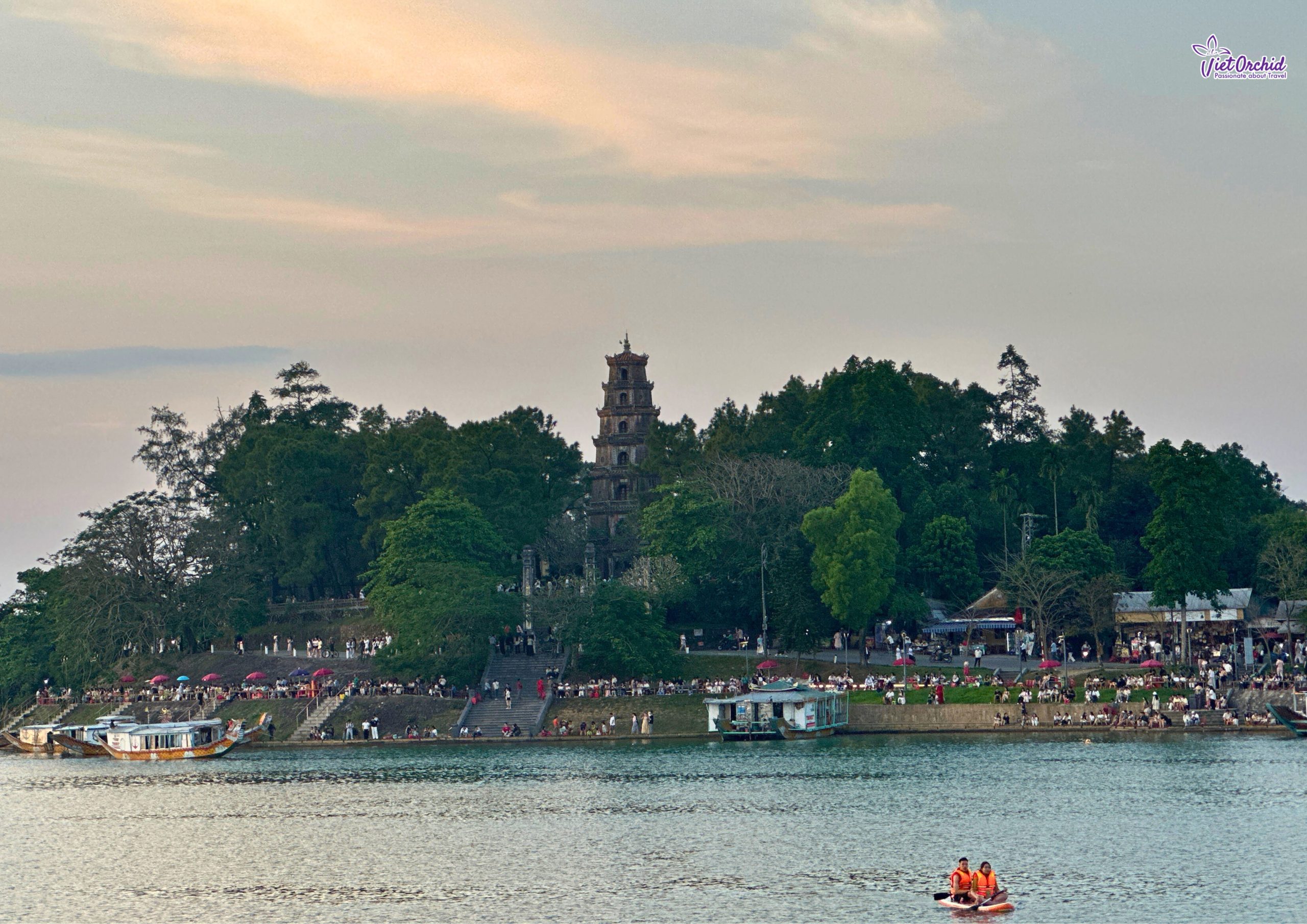 The poetic beauty of Thien Mu Pagoda at sunset along the Perfume River.
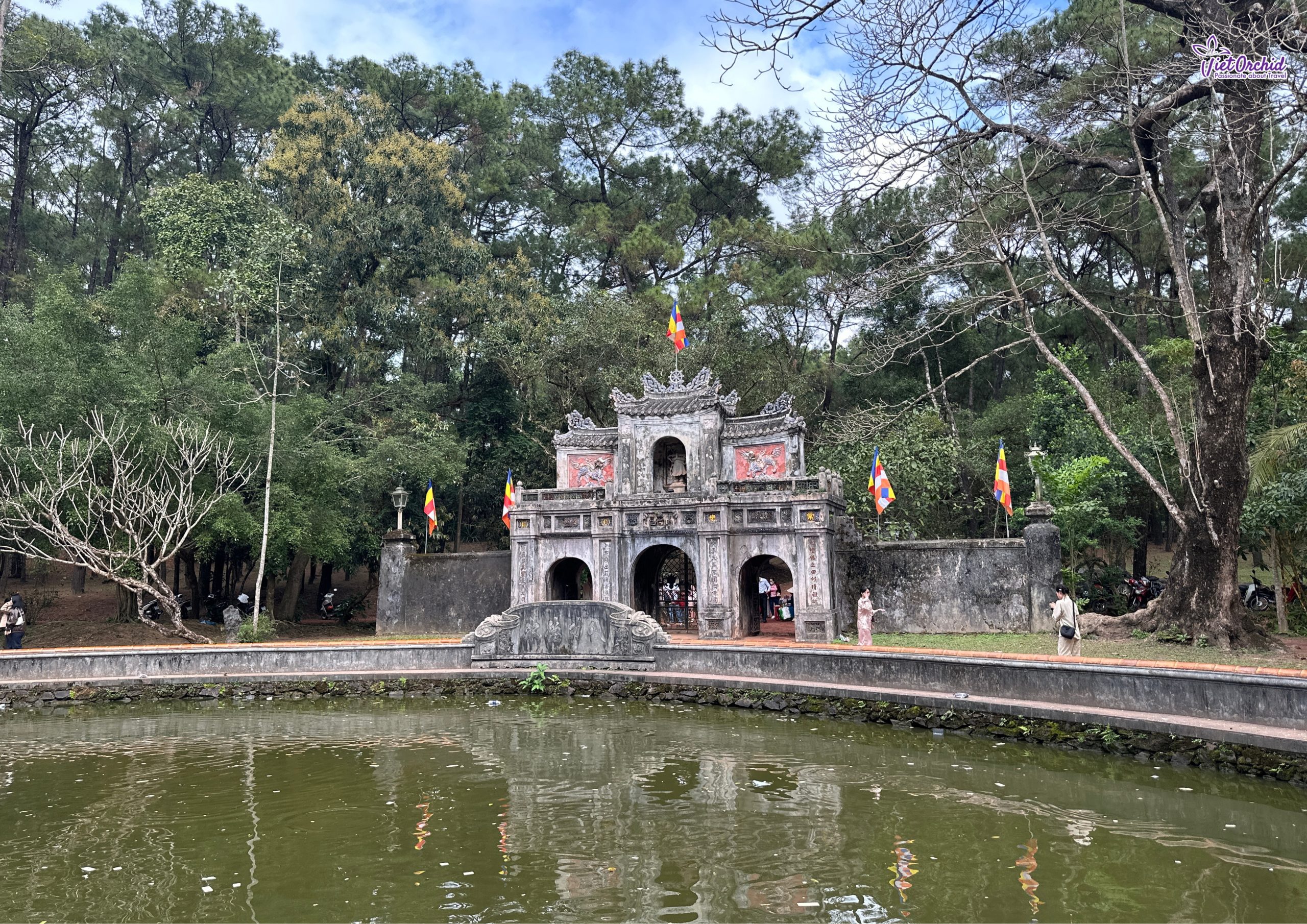 Tu Hieu Pagoda (Hue)
- Tet Lunar New Year, the most important celebration when families reunite, prepare traditional meals, honor ancestors, and share wishes for prosperity
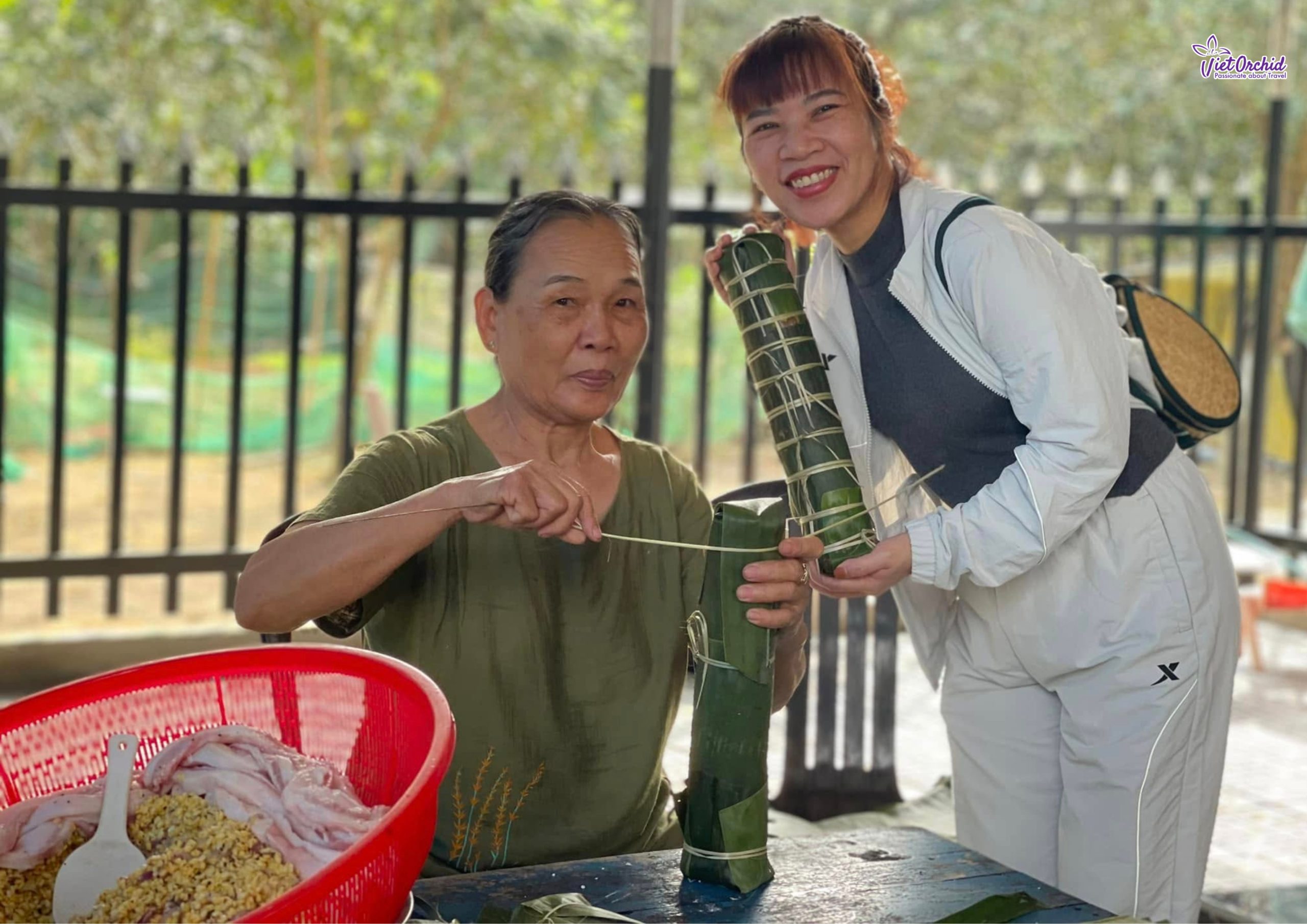 The tradition of wrapping Banh Chung and Banh Tet
You can explore more about Wrapping anh Chung and Banh Tet for Tet in Vietnam
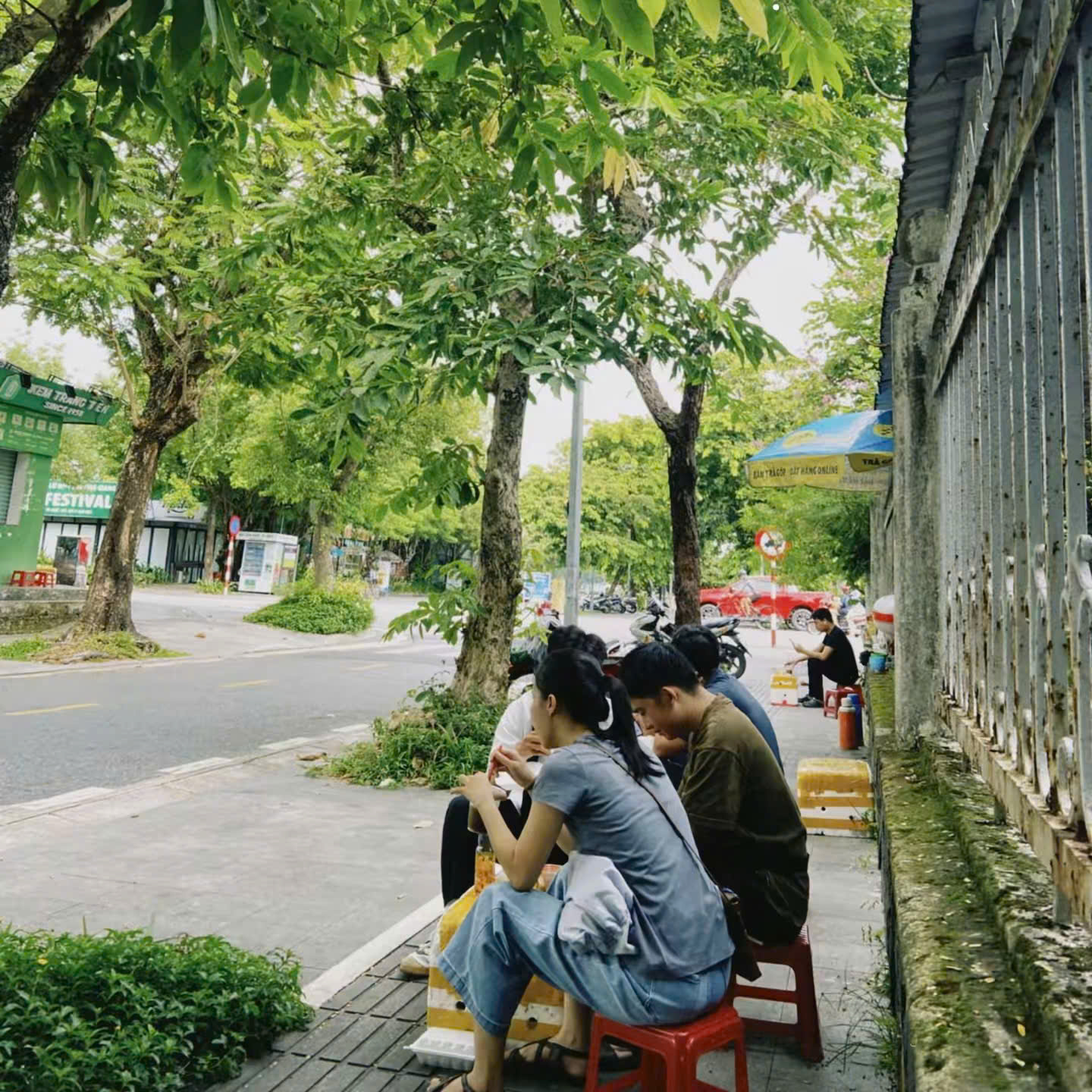
- The unique street coffee culture, where locals gather to talk, observe daily life, and slow down amid busy cities
- Vibrant local markets filled with sounds, colors, and daily interactions
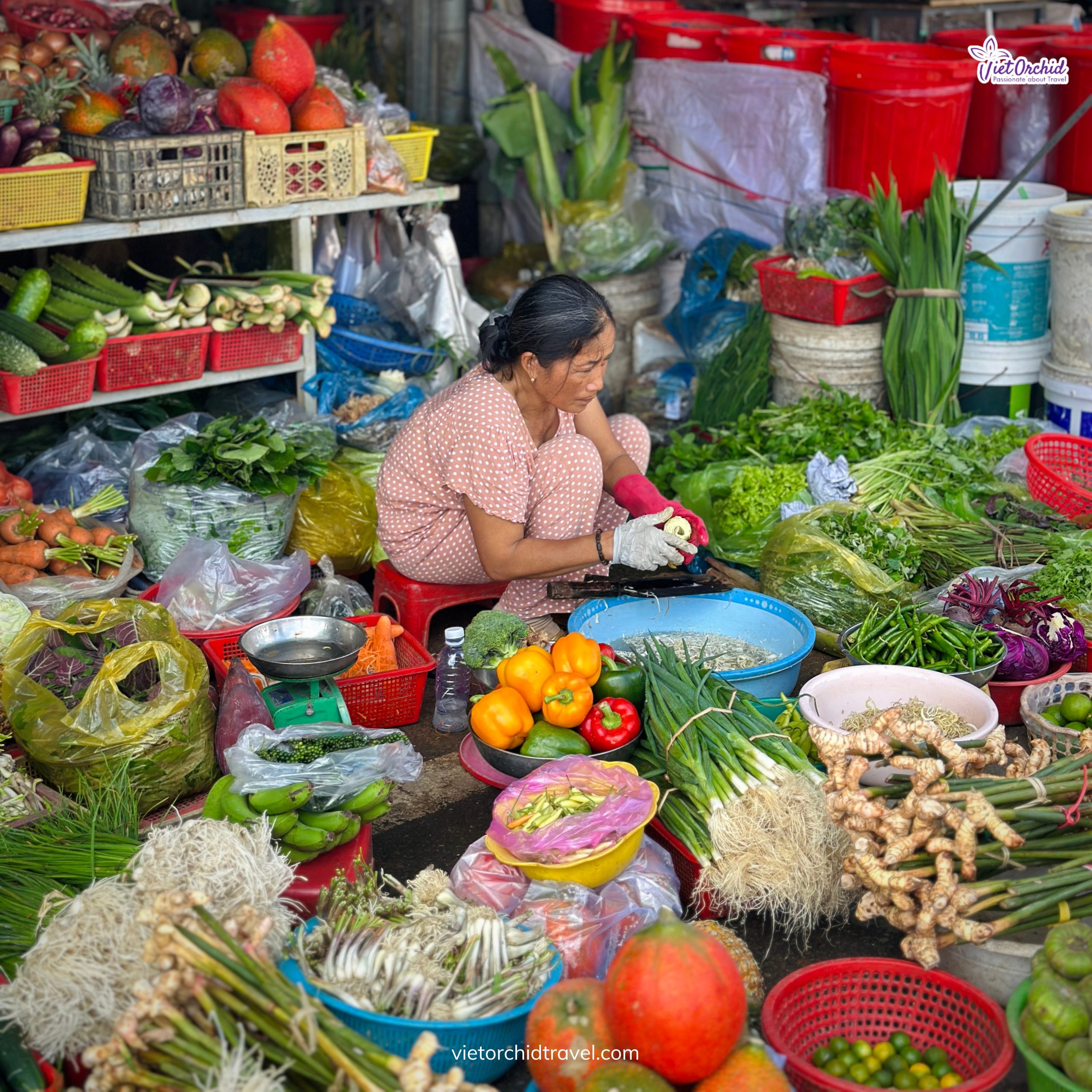 The vibrant daily life of locals at Dong Ba Market
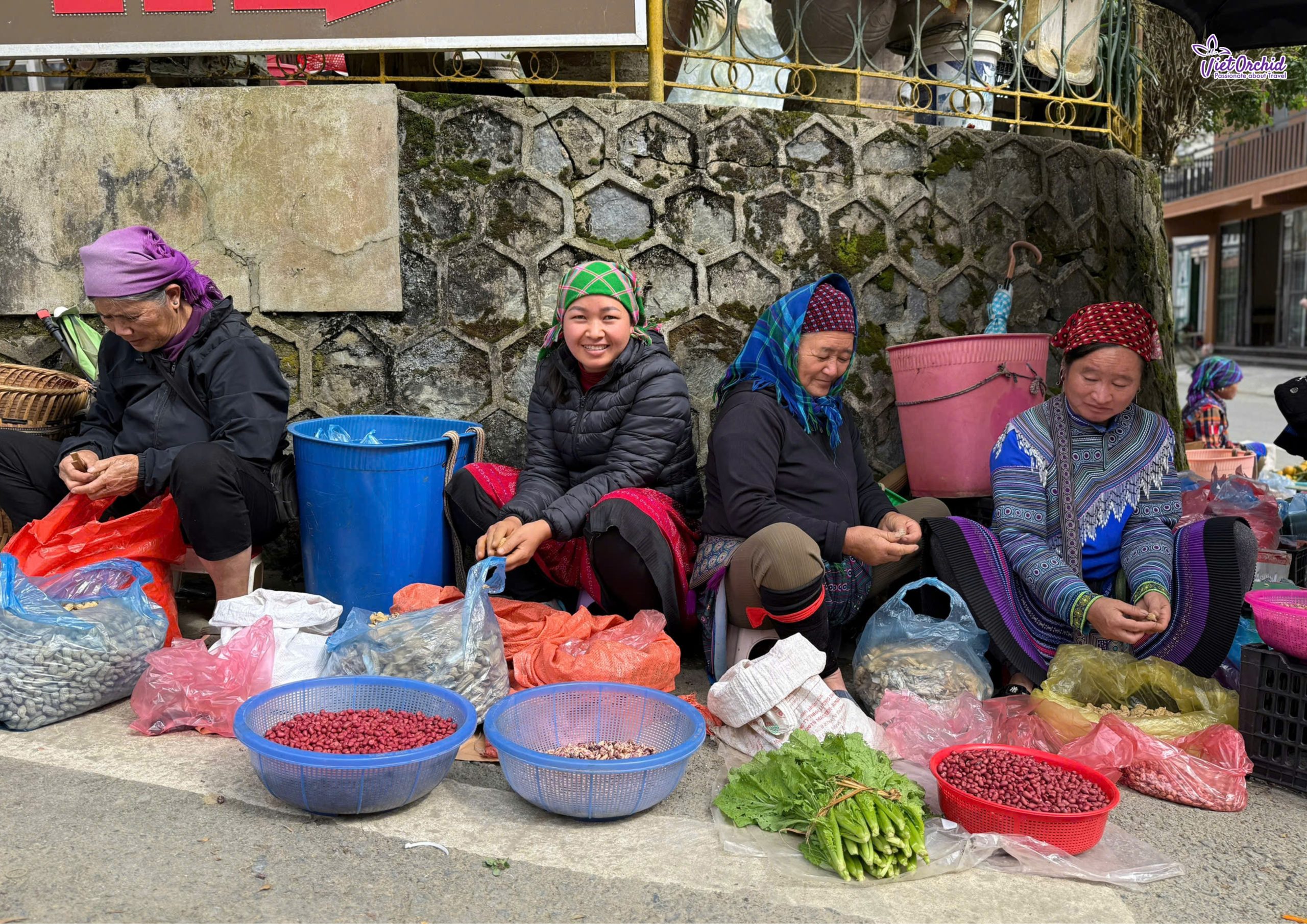 The vibrant ethnic colors of Bac Ha Market in Sapa.
This balance between heritage and modern energy creates a Vietnam that feels both timeless and alive, welcoming even first-time visitors with a sense of familiarity.
4. Vietnamese Cuisine – One of the World’s Most Balanced Food Cultures
Vietnamese cuisine is a journey through culture expressed in flavor. Each region offers its own culinary identity.
Some must-try dishes include:
- Hanoi Pho (Phở) – light, balanced, and deeply comforting
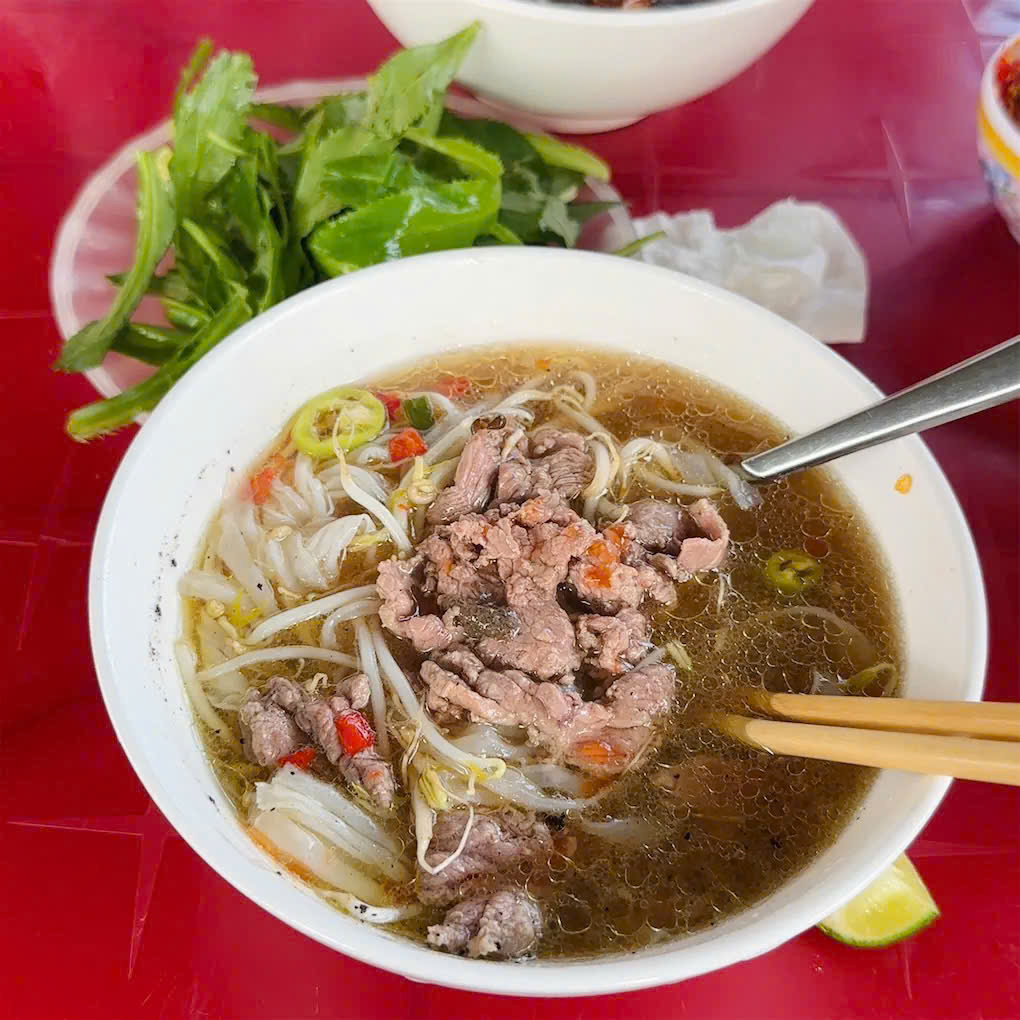
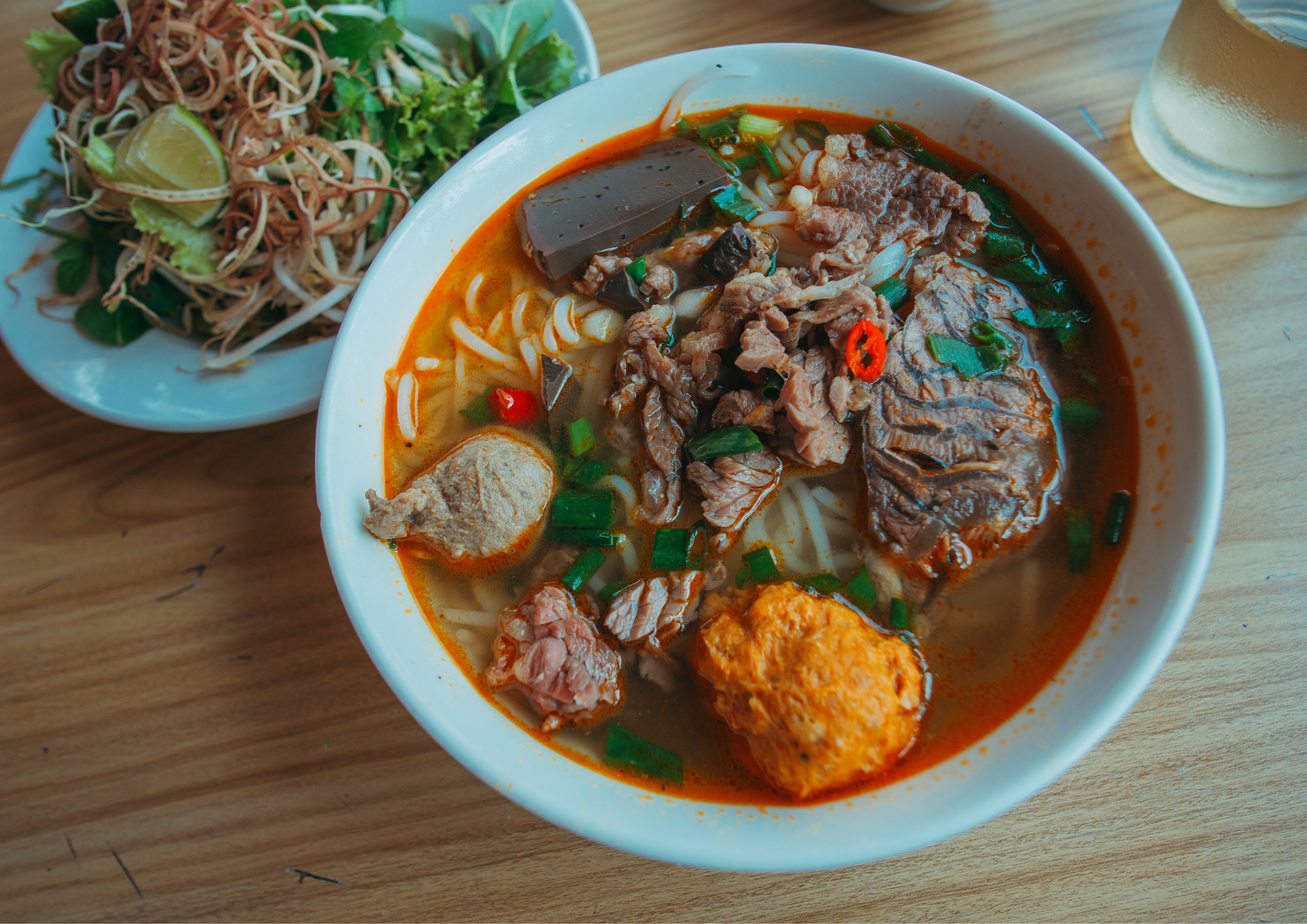
- Hue Beef Noodle Soup (Bún Bò Huế) – bold flavors influenced by royal cuisine
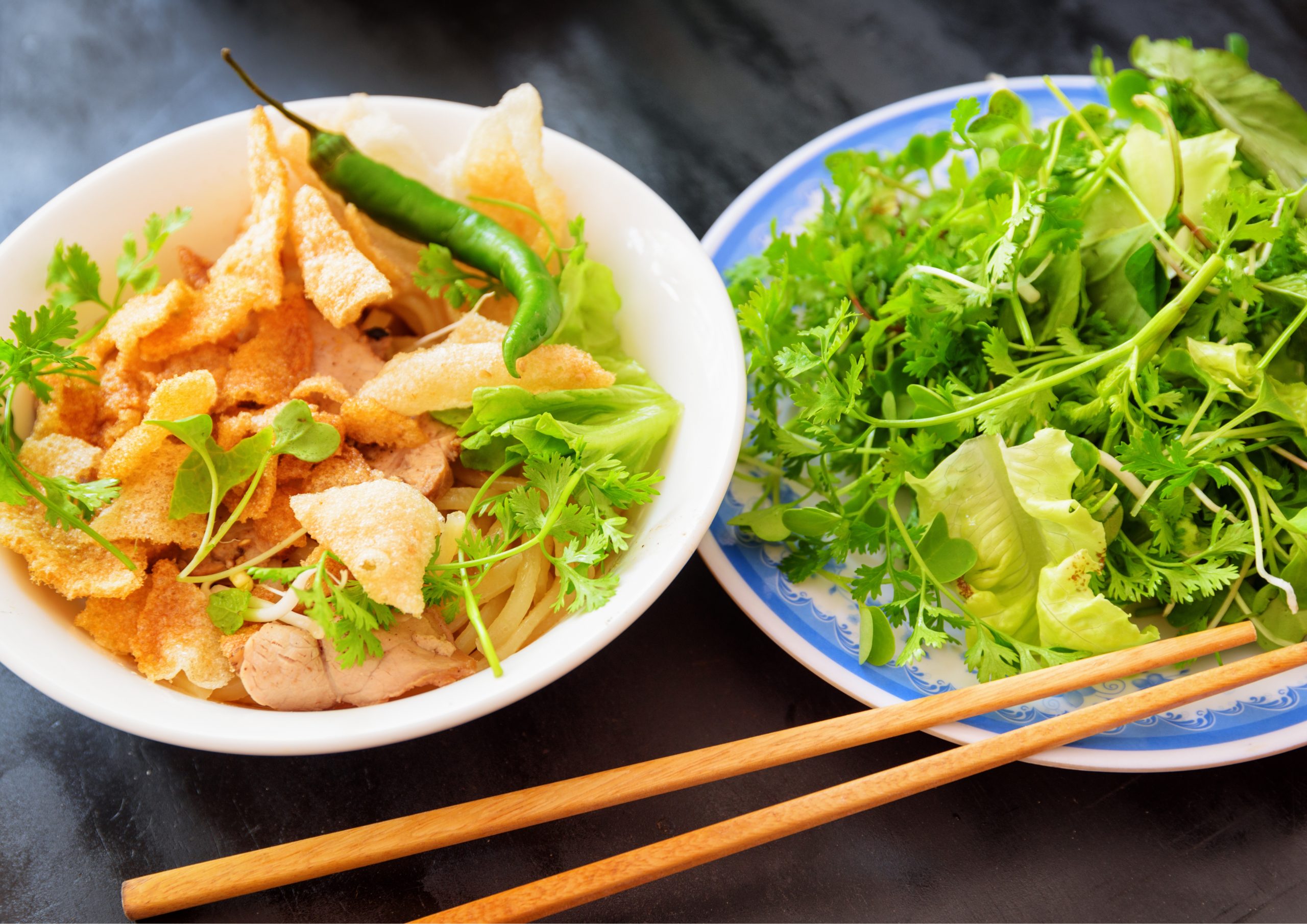
- Hoi An Cao Lau (Cao Lầu) – a dish tied to the town’s trading heritage
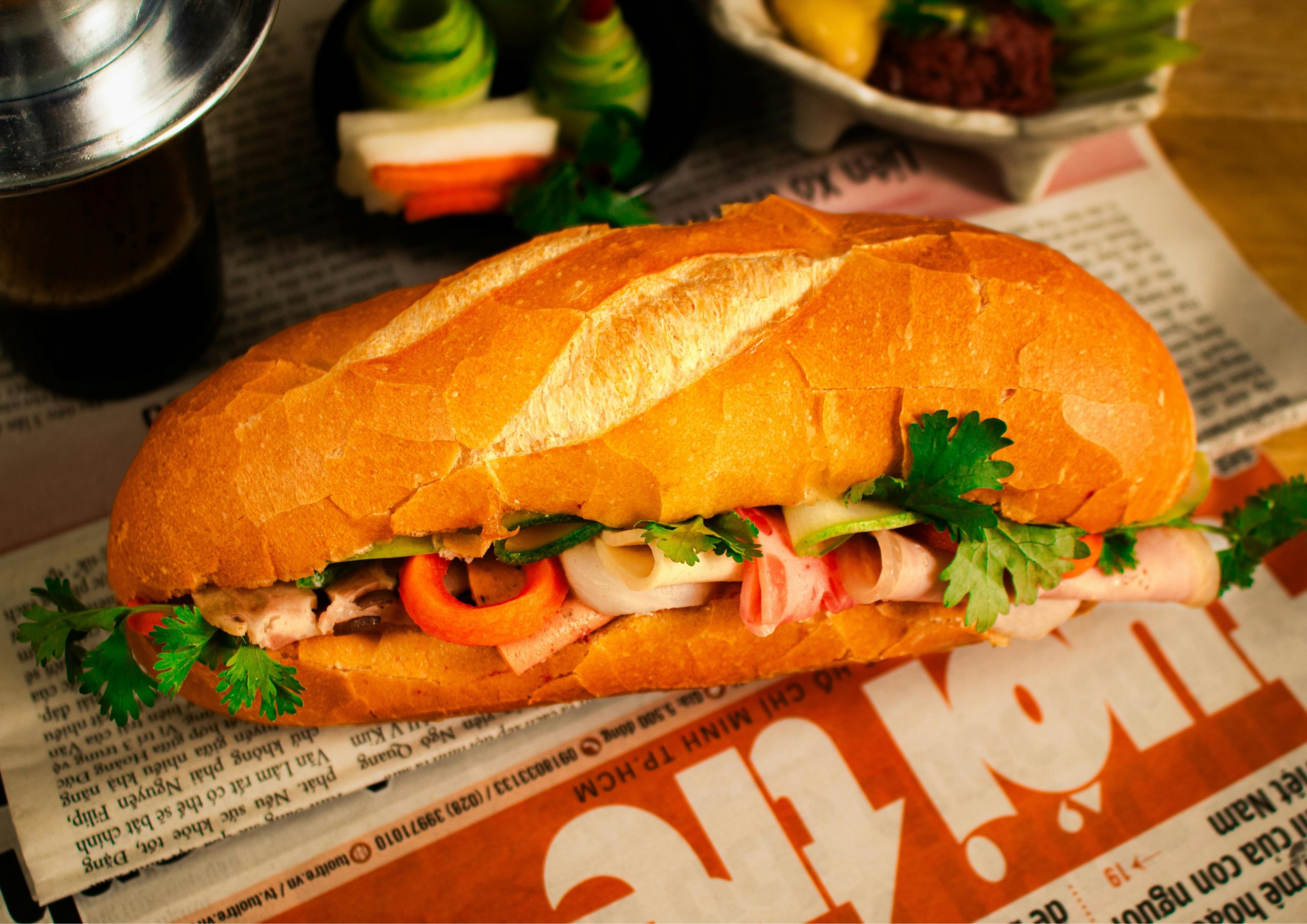
- Vietnamese Banh Mi (Bánh Mì) – a perfect fusion of Eastern and Western culinary traditions
What makes Vietnamese food truly memorable is that the best meals are often found at small street-side eateries, where diners sit on low stools surrounded by the rhythm of local life.
This simplicity transforms dining into one of the most authentic travel experiences in Vietnam.
Explore now 9 Essential Foods To Try In Vietnam
5. Vietnam’s Nature – Mountains, Caves, Coastlines & Rivers
Few countries offer such geographical diversity within one destination. Vietnam’s natural beauty unfolds continuously from north to south.
Highlights include:
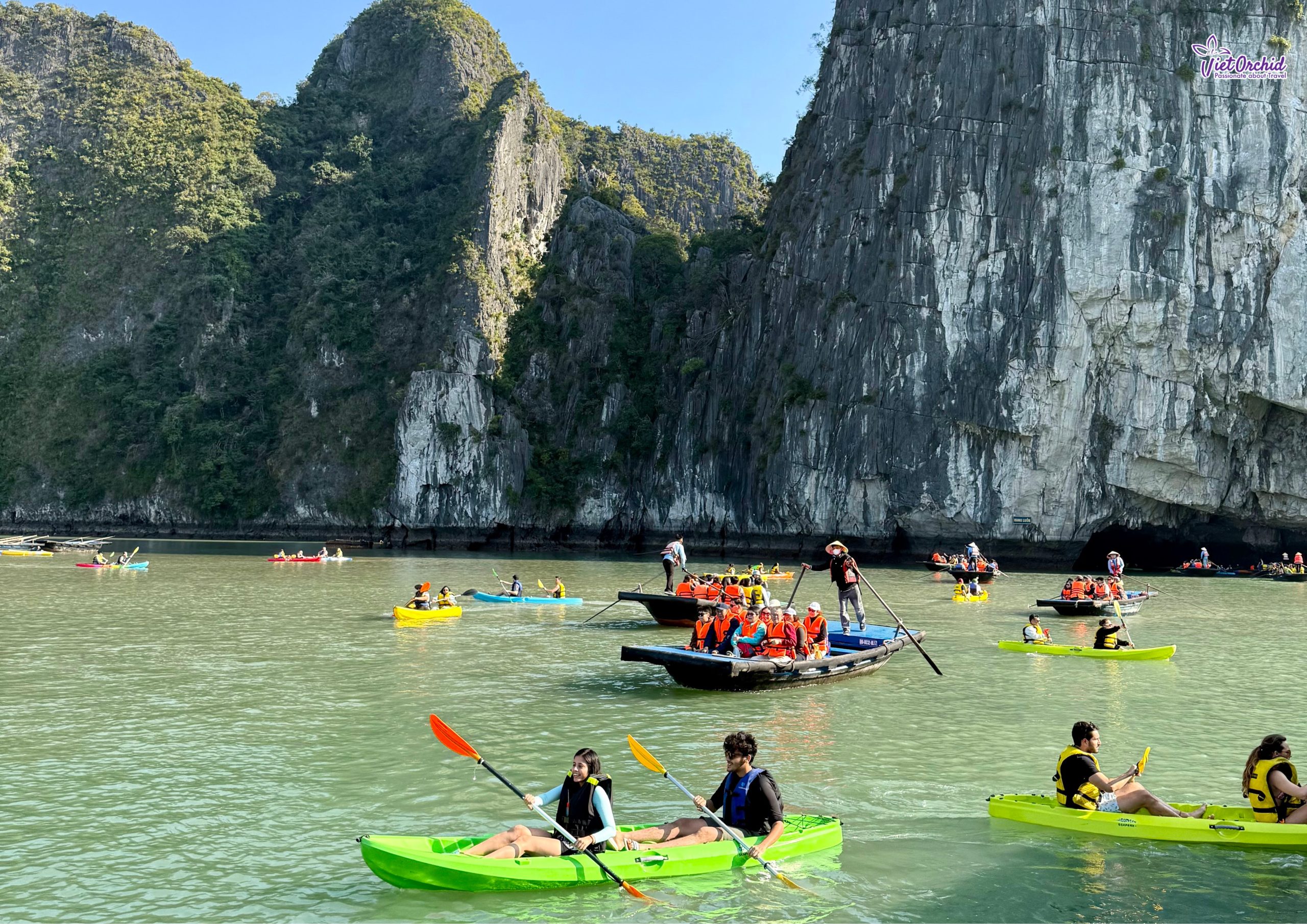
- Ha Long Bay, famous for thousands of limestone islands rising from emerald waters
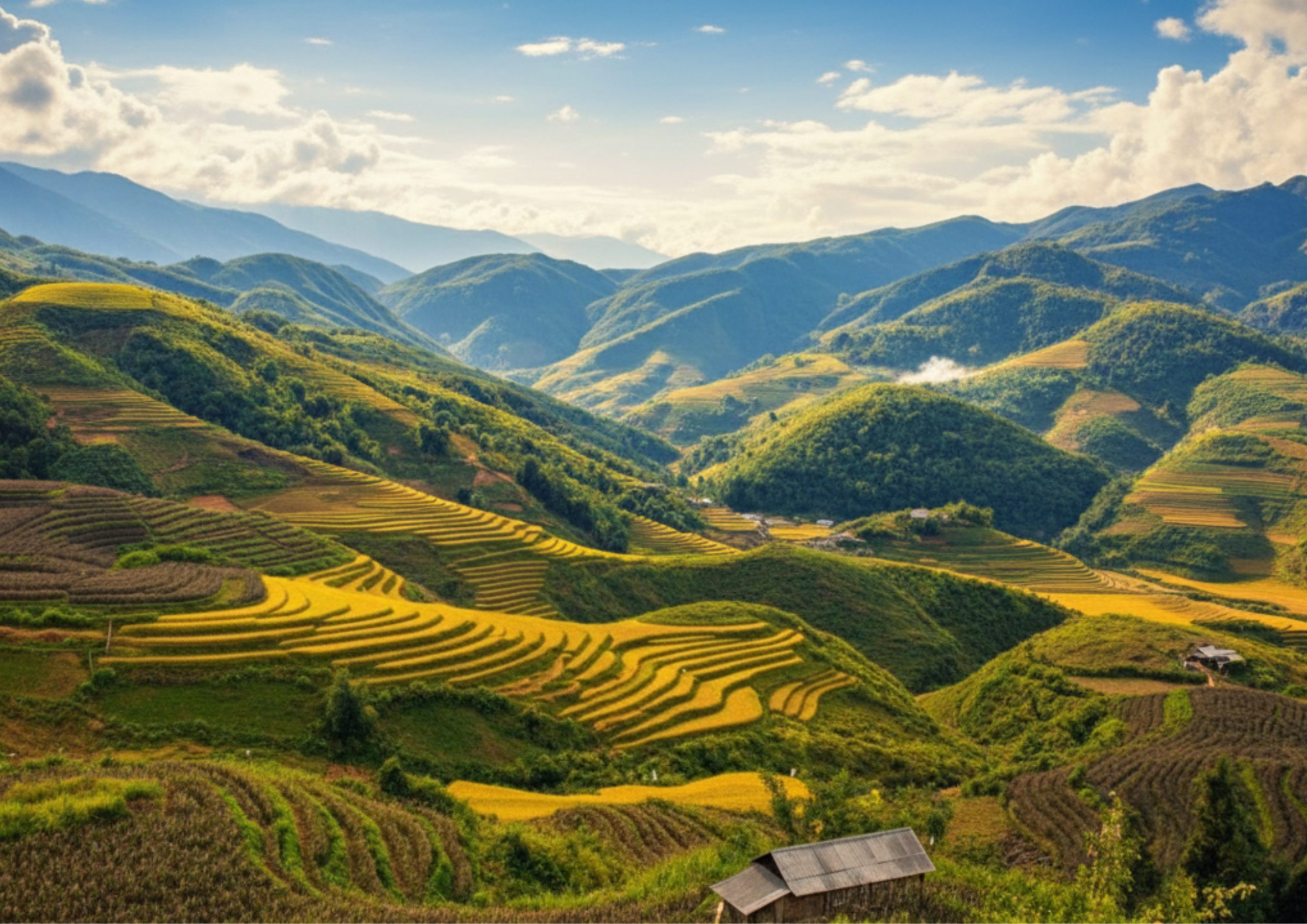
- Sapa’s terraced rice fields, changing colors with the seasons
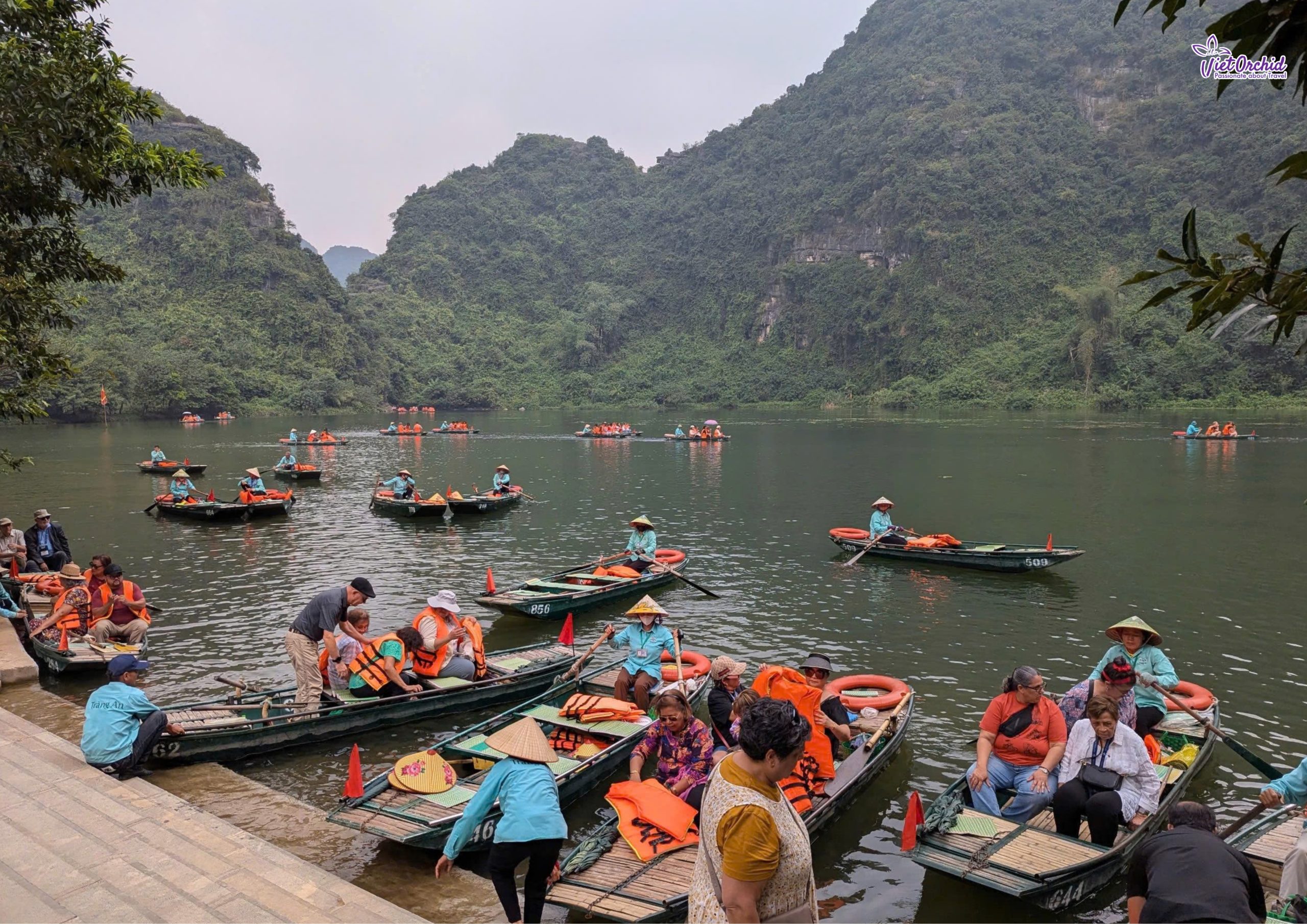
- Ninh Binh, often called “Ha Long Bay on land”, famous for the Trang An Landscape Complex, a UNESCO World Heritage Site.
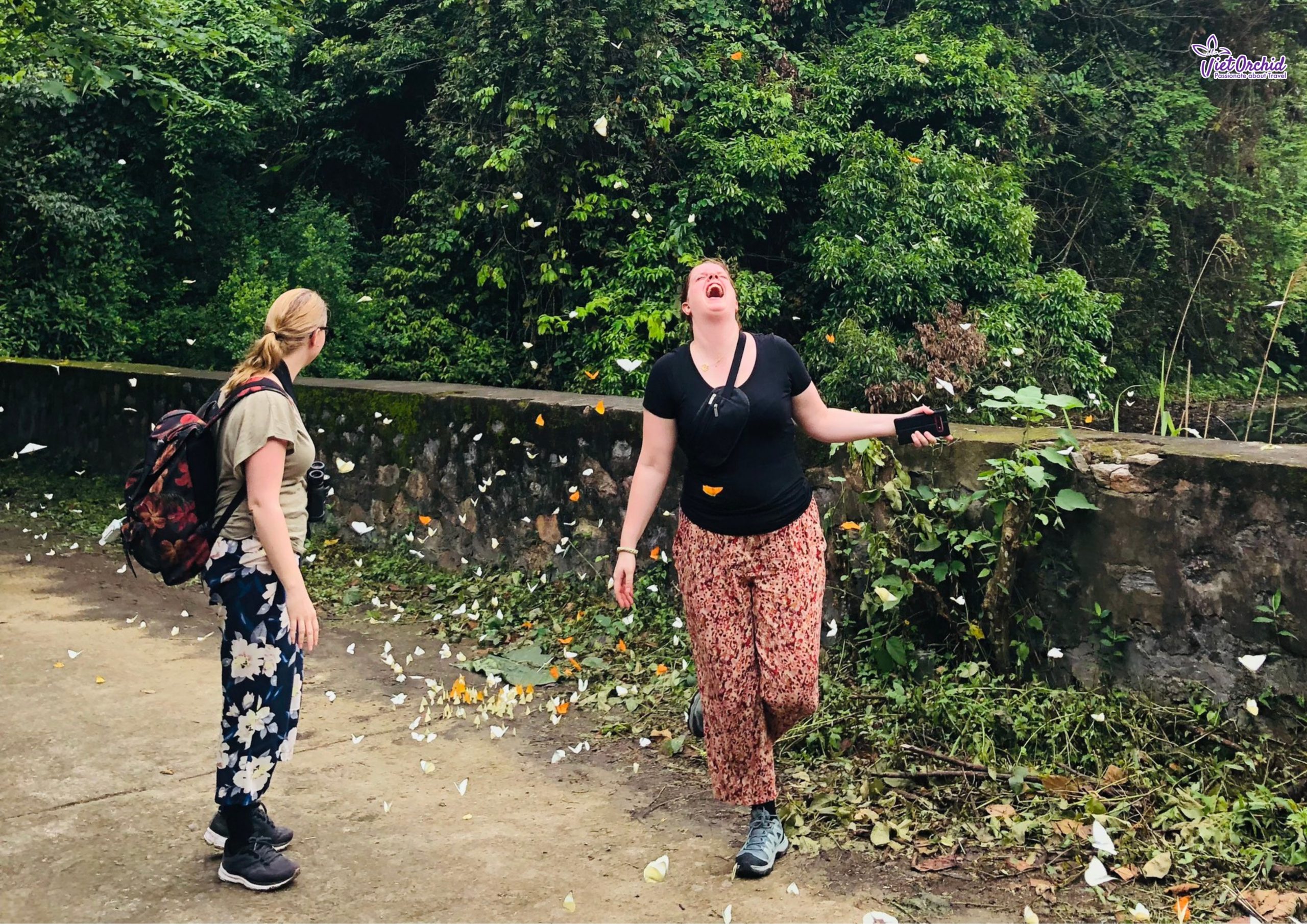
- Cuc Phuong National Park is famous for its lush ancient forest and rich wildlife. During butterfly season, thousands of butterflies create a breathtaking natural spectacle.
- The Mekong Delta, where life flows along rivers and floating markets
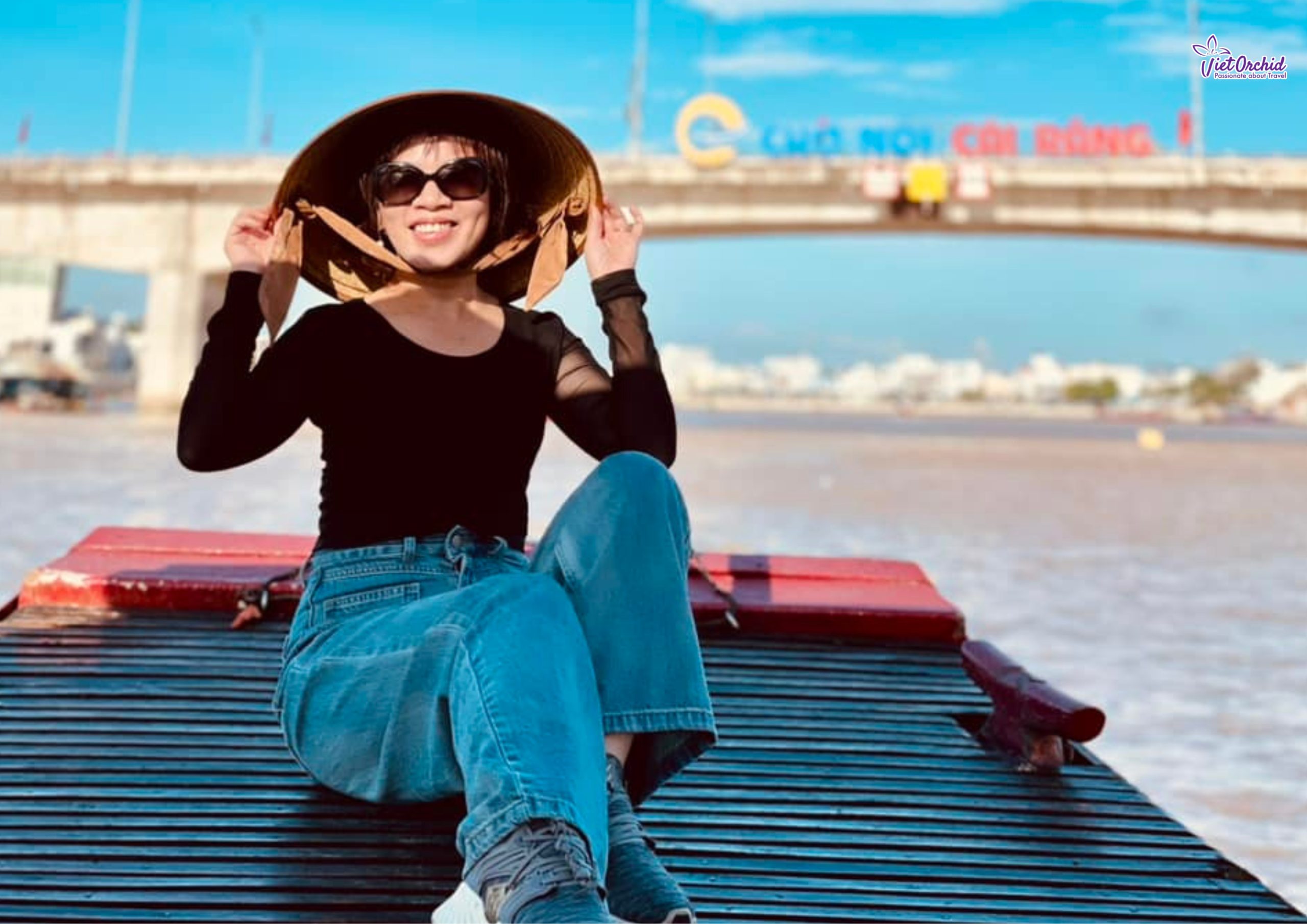
From misty northern mountains to golden coastal sunsets, Vietnam’s constantly changing landscapes make a cross-country journey endlessly inspiring.
Nature here is not only something to see but something to feel – the sound of waves, mountain breezes, and daily life blending seamlessly with the environment.
6. Vietnam War Sites – Understanding the Strength of a Nation
Modern history has left meaningful marks across Vietnam, and visiting historical sites offers deeper insight into the resilience of its people.
Key locations include:
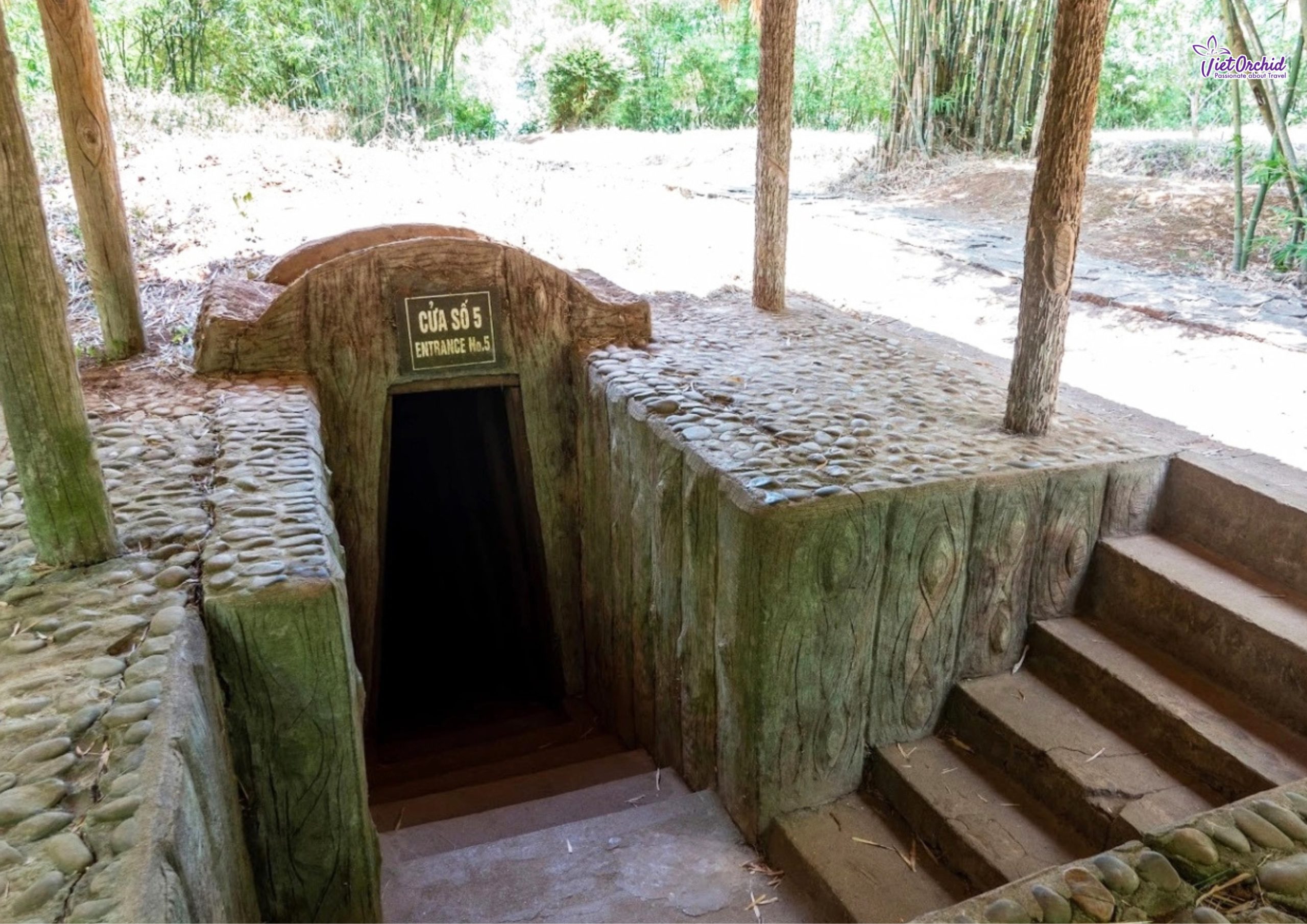
- Cu Chi Tunnels (Ho Chi Minh City) – an extraordinary underground tunnel network
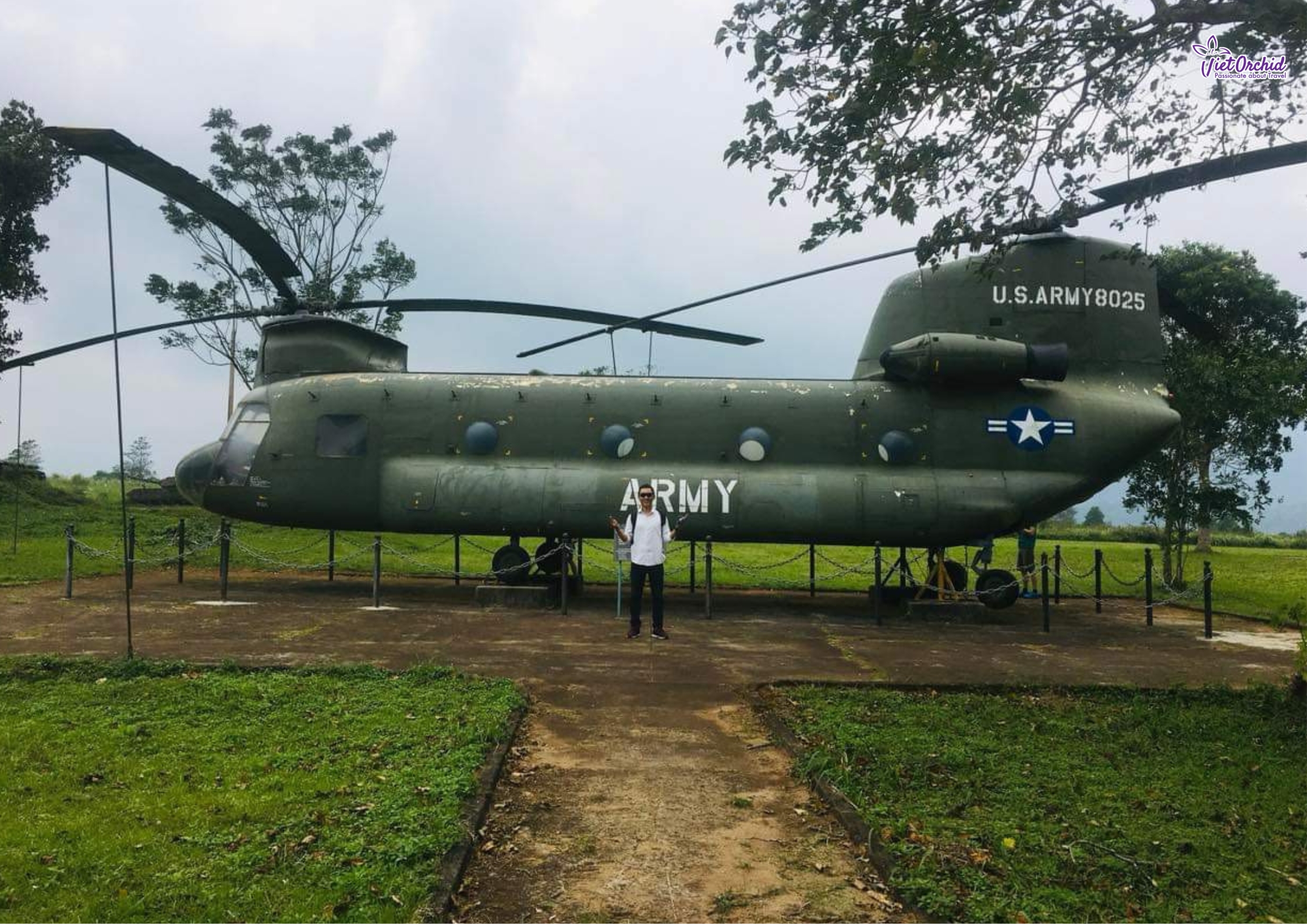
- The DMZ in Quang Tri, once the historical dividing line
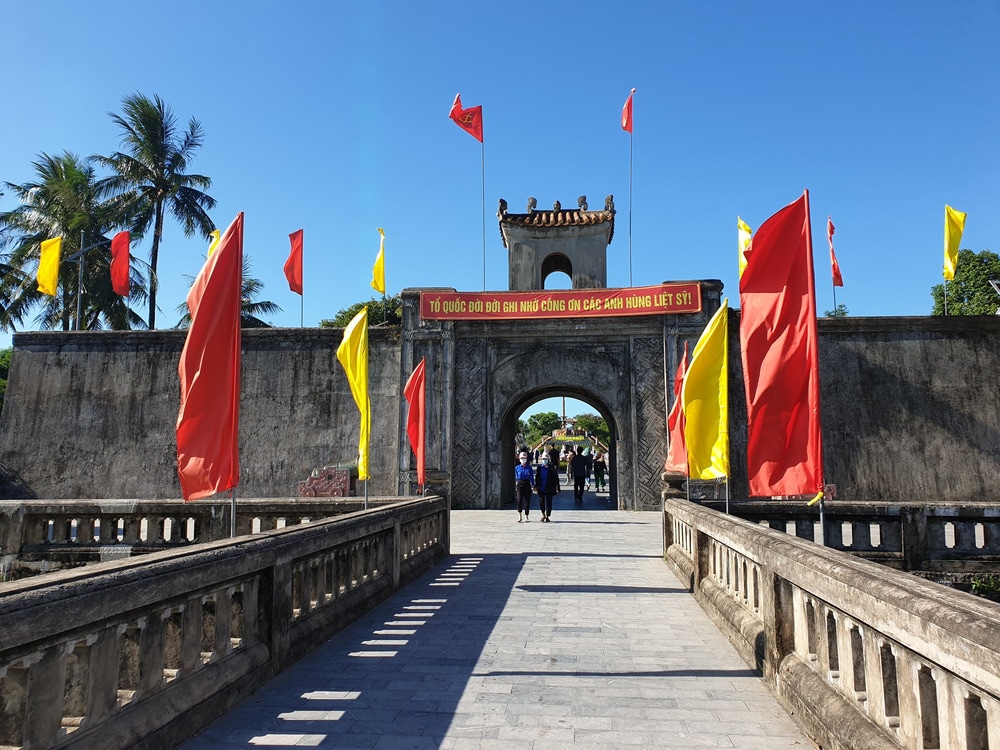
- Quang Tri Citadel, symbolizing sacrifice and renewal
- Hoa Lo Prison (Hanoi), presenting historical perspectives across different eras
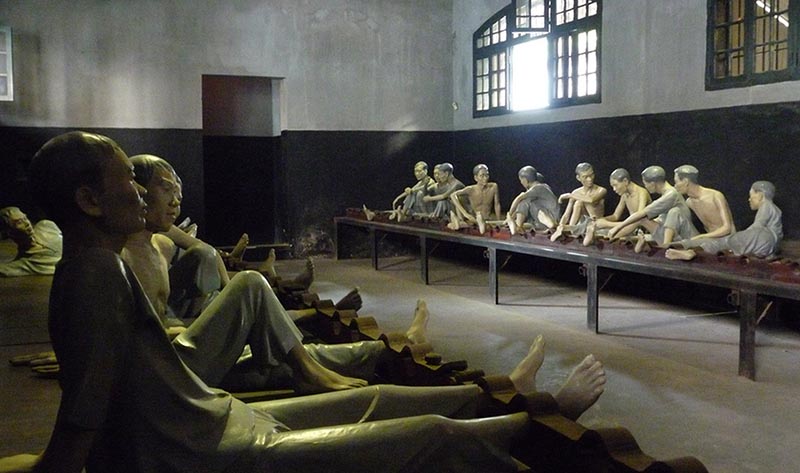
These places tell stories not only of conflict but also of peace, recovery, and the enduring spirit of Vietnam today.
Who Is Vietnam Perfect For?
Vietnam welcomes a wide range of travelers:
- Culture and history enthusiasts
- Travelers seeking authentic local experiences
- Food lovers and culinary explorers
- Nature lovers and photographers
- Meaningful travelers looking beyond luxury resorts
- First-time visitors to Asia seeking affordability and warmth
Whether you are an explorer, a cultural traveler, or simply curious about a new destination, Vietnam offers deeply personal and unforgettable moments.
Discover Vietnam Authentically with Viet Orchid Travel
Vietnam is not a place to rush through. It is a destination meant to be felt — through conversations, flavors, landscapes, and shared stories.
From handmade conical hats and peaceful villages to flavorful meals, breathtaking scenery, and profound historical stories, Vietnam reveals itself through meaningful details.
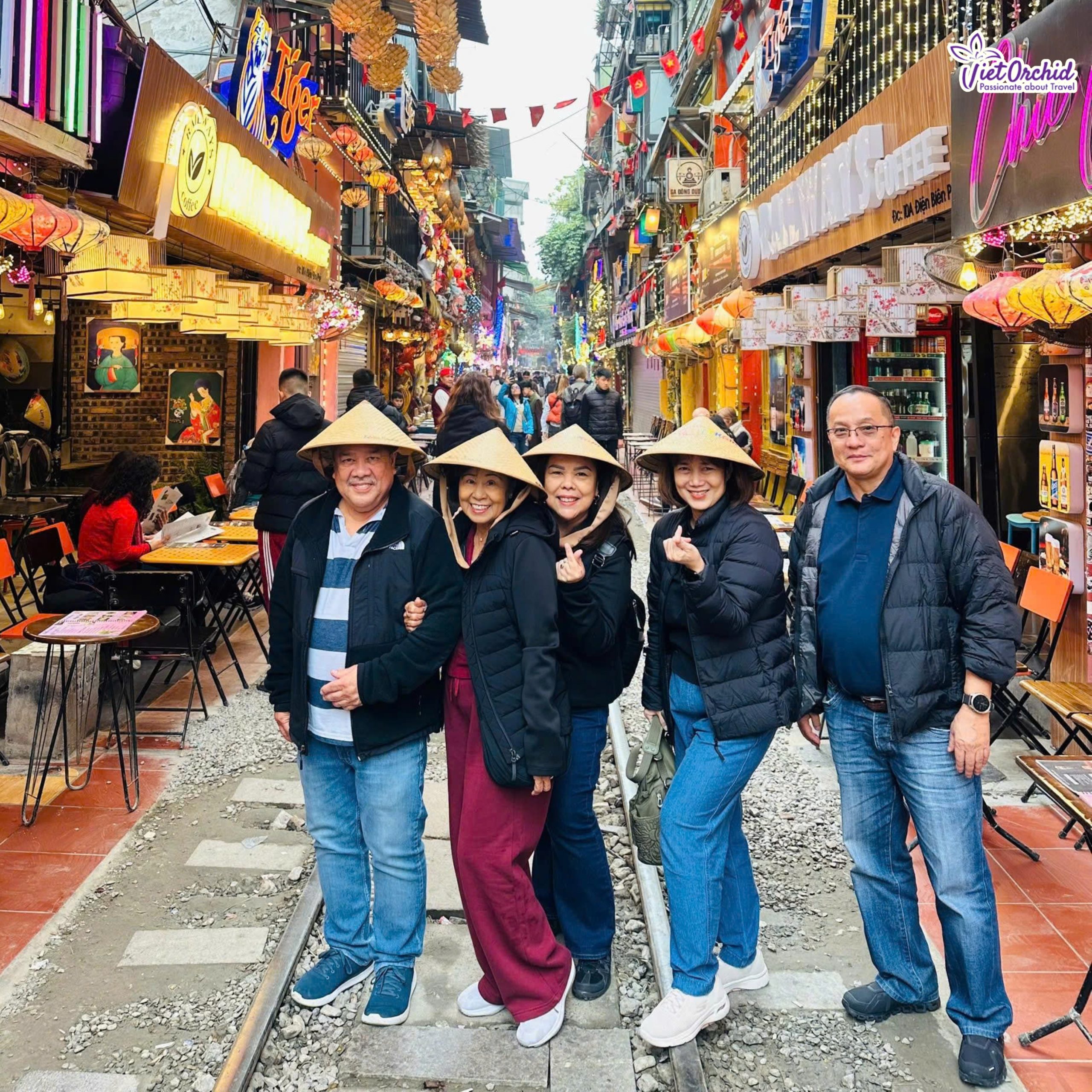
For travelers wishing to experience the country more deeply and authentically, Viet Orchid Travel accompanies each journey like a local friend, turning every trip into a lasting story about Vietnam.
FAQ’s About Traveling to Vietnam
(1) Is Vietnam safe for international travelers?
Yes. Vietnam is considered one of the safest countries in Southeast Asia, with welcoming locals and stable tourism infrastructure.
(2) What is the best time to visit Vietnam?
Vietnam can be visited year-round, though weather varies by region. Spring (March–April) and autumn (September–November) are often considered ideal.
(3) How many days are recommended for Vietnam?
A 10–14 day itinerary allows travelers to experience multiple regions comfortably.
(4) Is Vietnam expensive to travel?
Compared to many destinations in Asia, Vietnam offers excellent value for accommodation, food, and guided experiences.
(5) Do I need a visa to enter Vietnam?
This depends on your nationality; many countries enjoy visa exemptions or can apply easily through Vietnam’s e-visa system.
You can learn more in this article: 10 Things You Need To Know Before Travelling to Vietnam
(6) Is Vietnamese food suitable for vegetarians?
Yes. Vietnam offers a wide variety of vegetarian dishes, and vegetarian cuisine is an important part of local food culture.
Thank you for reading and discovering Vietnam with us. We look forward to sharing more authentic journeys with you.
Viet Orchid Travel