
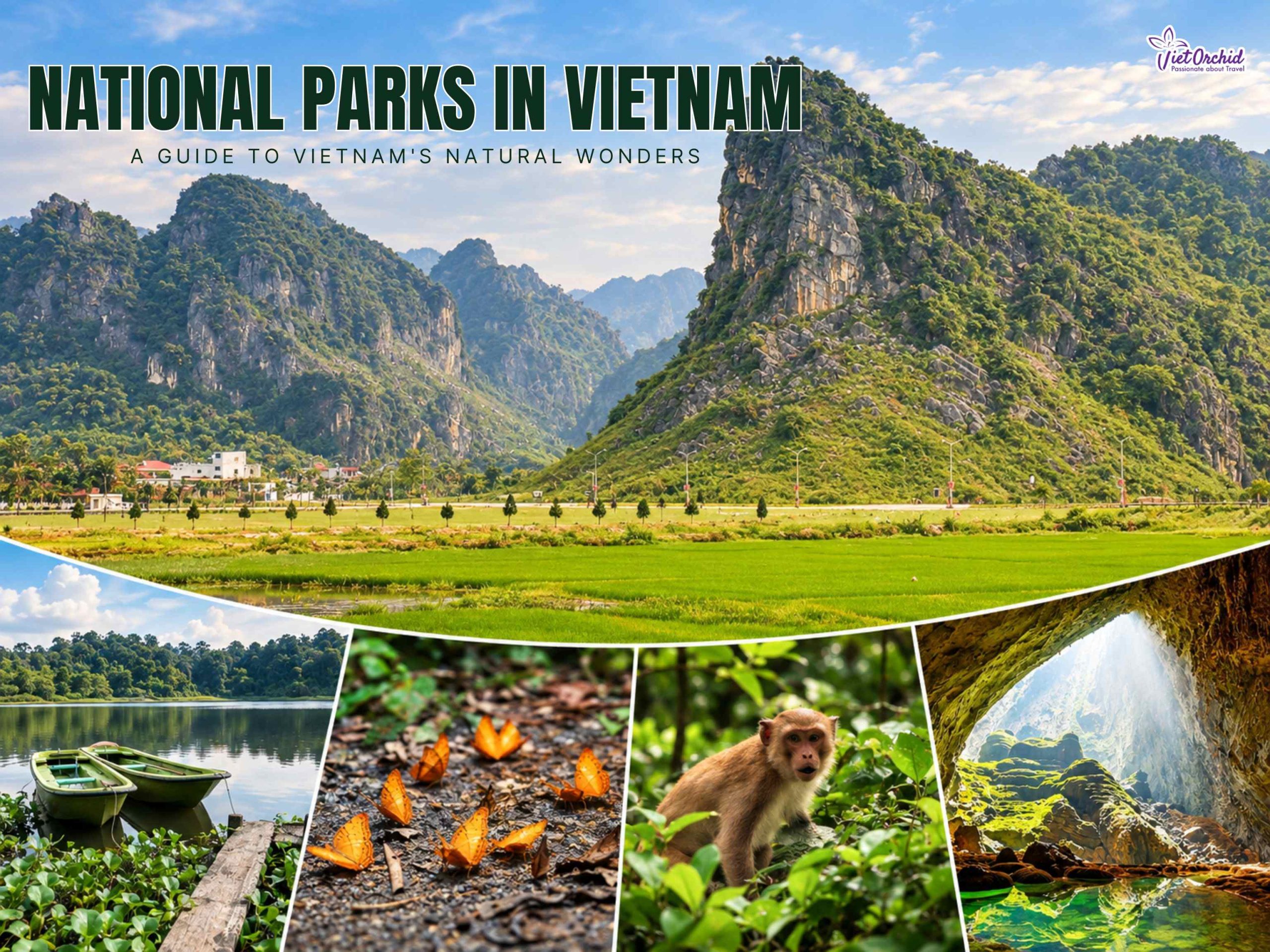
Vietnam is often known for its vibrant cities, long coastline, historic towns and rich cultural heritage. Yet beyond these familiar images lies another side of the country — one shaped by tropical forests, limestone mountains, wetlands, caves, highland ecosystems and protected marine environments.
From the mountains of Northern Vietnam to the forests of the Central Highlands and the wetlands of the Mekong Delta, the country’s national parks protect some of its most valuable natural landscapes and biodiversity.
As of September 2026, Vietnam has 37 national parks. The newest addition is Ea So National Park in Dak Lak, established in July 2026 after the former Ea So Nature Reserve was upgraded to national park status. According to information from Vietnam’s Department of Forestry and Forest Protection, this brought the country’s total number of national parks to 37.
For travelers, these protected areas offer opportunities to experience Vietnam beyond its cities and famous heritage sites – from trekking through mountain forests and exploring vast cave systems to observing wildlife, cruising across freshwater lakes and discovering coastal and marine ecosystems.
1. The 37 National Parks in Vietnam
Vietnam’s national parks form part of the country’s special-use forest and protected-area system. They are established not simply as visitor attractions, but primarily to conserve important ecosystems, biodiversity, landscapes and genetic resources while supporting scientific research, environmental education and appropriate forms of ecotourism.
Location note: Provincial and municipal locations in the tables below have been updated to reflect Vietnam’s current administrative boundaries following the 2025 provincial-level administrative reorganization. For this reason, some locations may differ from those shown in older travel guides, maps and publications.
Area note: Area figures are given in hectares (ha). Depending on the park, official figures may refer to terrestrial protected areas or include designated marine areas. Boundaries and officially managed areas may also be adjusted through government decisions.
National Parks in Northern Vietnam
Northern Vietnam’s national parks range from high-mountain forests and limestone landscapes to freshwater lakes, wetlands, islands and marine ecosystems.
|
National Park |
Current Location | Area | What Makes It Special |
|
Hoang Lien |
Lao Cai & Lai Chau | 28,509 ha |
High-mountain ecosystems around the Hoang Lien Son range and Fansipan |
|
Bat Xat |
Lao Cai | 18,637 ha | One of Vietnam’s newest national parks; high-mountain forests |
| Du Gia – Dong Van Karst Plateau | Tuyen Quang | 15,006 ha |
Limestone mountains and northern karst ecosystems |
|
Phia Oac – Phia Den |
Cao Bang | 10,593 ha | High-altitude forests and mountain landscapes |
| Ba Be | Thai Nguyen | 10,048 ha |
Freshwater lake, limestone mountains and forest ecosystems |
|
Tam Dao |
Phu Tho, Thai Nguyen & Tuyen Quang | 36,883 ha | Mountain forest extending along the Tam Dao range |
| Ba Vi | Hanoi | 10,815 ha |
Mountain forest close to Hanoi |
|
Xuan Son |
Phu Tho | ~15,000 ha | Limestone forest, caves and biodiversity |
| Cuc Phuong | Ninh Binh, Phu Tho & Thanh Hoa | 22,408 ha |
Vietnam’s first national park, established in 1962 |
|
Xuan Thuy |
Ninh Binh | 7,100 ha | Important coastal wetland and migratory bird habitat |
|
Cat Ba |
Hai Phong | ~17,000 ha |
Limestone island forests and marine ecosystems |
| Bai Tu Long | Quang Ninh | ~15,800 ha |
Island, forest and marine ecosystems in Bai Tu Long Bay |
|
Ben En |
Thanh Hoa | ~14,700 ha |
Forests, lakes and islands |
| Xuan Lien | Thanh Hoa | ~25,600 ha |
Upgraded from nature reserve to national park in 2025 |
Among these parks, Cuc Phuong National Park holds a special place in Vietnam’s conservation history. Established on 7 July 1962, it is recognized as the first national park in Vietnam. Today, Cuc Phuong is particularly known for its tropical forest, limestone ecosystem and rich biodiversity.
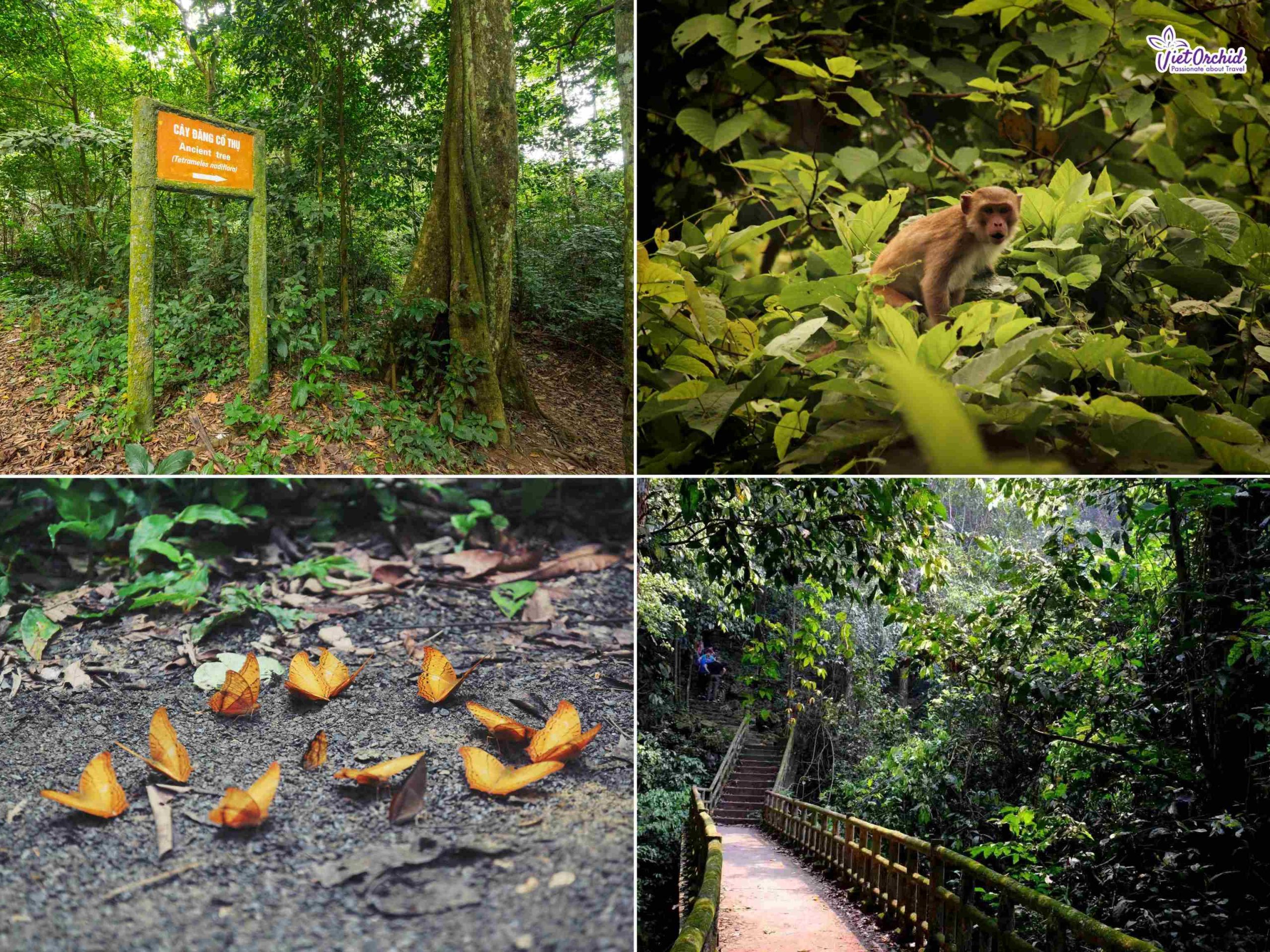 Cuc Phuong National Park – Vietnam’s first national park, established in 1962.
National Parks in Central Vietnam & the Central Highlands
Central Vietnam and the Central Highlands contain some of the country’s most diverse protected landscapes, ranging from the Annamite Mountains and limestone karst to highland forests and dry dipterocarp ecosystems.
|
National Park |
Current Location | Area | What Makes It Special |
| Pu Mat | Nghe An | ~94,800 ha |
Large Annamite forest ecosystem and important wildlife habitat |
|
Vu Quang |
Ha Tinh | ~57,000 ha | Biodiversity-rich forests of the Annamite Range |
| Phong Nha–Ke Bang | Quang Tri | 123,326 ha |
UNESCO World Heritage Site; extraordinary karst and cave systems |
|
Bach Ma |
Hue & Da Nang | 37,487 ha | Mountain rainforest between Hue and Da Nang |
| Song Thanh | Da Nang | ~76,700 ha |
One of Central Vietnam’s major forest landscapes |
|
Chu Mom Ray |
Quang Ngai | ~56,000 ha | Transboundary forest landscape and ASEAN Heritage Park |
| Kon Ka Kinh | Gia Lai | ~42,000 ha |
Highland forest and ASEAN Heritage Park |
|
Bidoup–Nui Ba |
Lam Dong | ~70,000 ha | Montane forest and exceptional Central Highlands biodiversity |
| Ta Dung | Lam Dong | 20,938 ha |
Mountain forests surrounding the Ta Dung landscape |
|
Chu Yang Sin |
Dak Lak | ~59,500 ha | Mountainous forests and high-altitude biodiversity |
| Yok Don | Dak Lak & Lam Dong | 115,545 ha |
One of Vietnam’s largest protected forests; famous for dry dipterocarp forest |
|
Ea So |
Dak Lak | 26,959 ha | Vietnam’s newest national park, established in July 2026 |
| Phuoc Binh | Khanh Hoa | ~19,800 ha |
Mountain forests transitioning between highland and coastal ecosystems |
| Nui Chua | Khanh Hoa | ~29,900 ha |
Dry forest, mountains, coastline and marine biodiversity |
Among the region’s best-known protected areas, Phong Nha–Ke Bang National Park stands out for its international significance. It was inscribed on the UNESCO World Heritage List in 2003 and extended in 2015 to recognize additional biodiversity and ecological values. In 2025, the World Heritage property was expanded across the international border to include Hin Nam No National Park in Laos, creating the transboundary Phong Nha–Ke Bang National Park and Hin Nam No National Park World Heritage property.
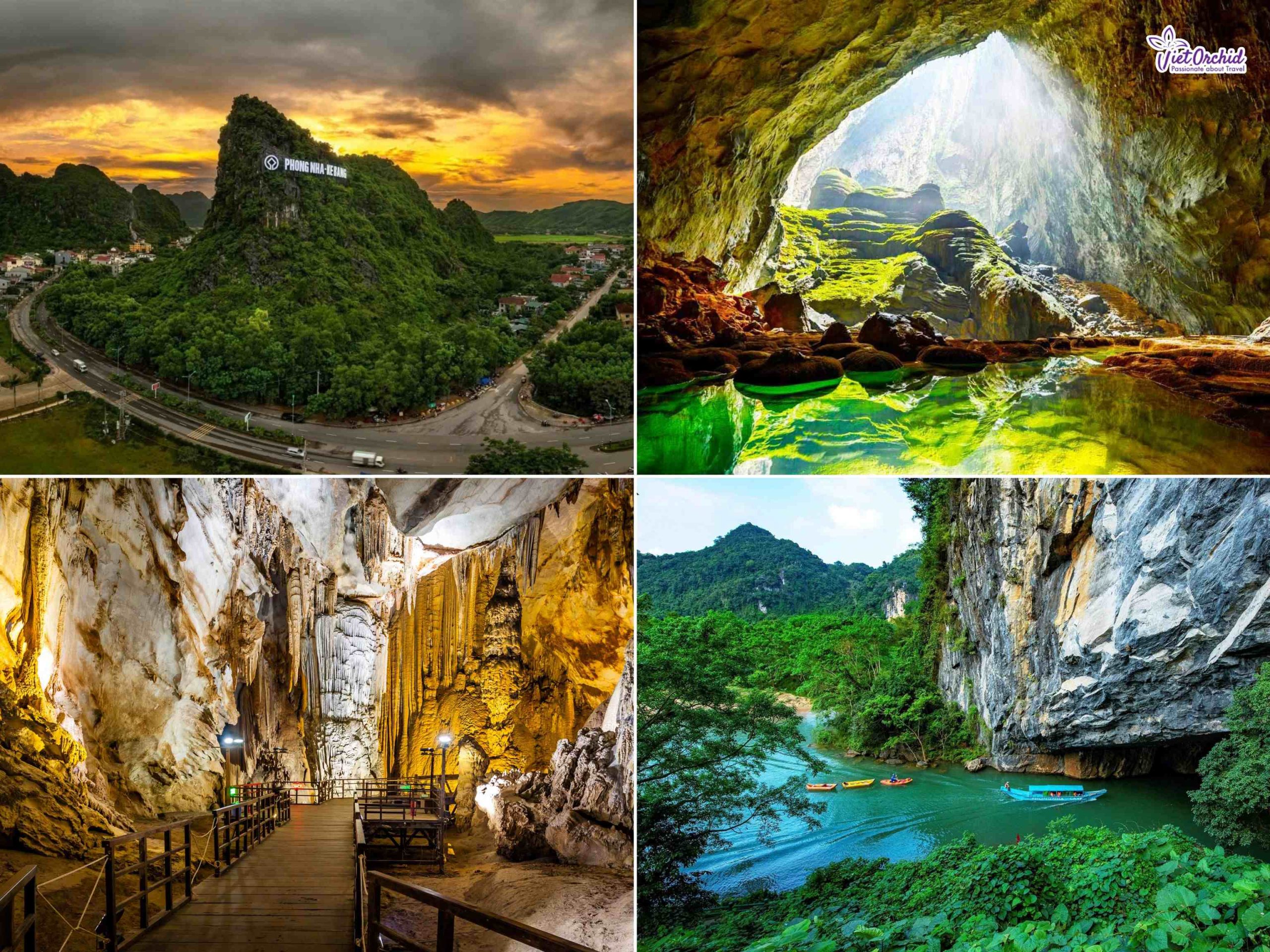 Phong Nha–Ke Bang National Park – A UNESCO World Heritage Site famous for its spectacular cave systems.
Another notable addition is Ea So National Park in Dak Lak Province. Upgraded from Ea So Nature Reserve in July 2026, the park covers approximately 26,959 hectares and became Vietnam’s 37th and newest national park as of September 2026.
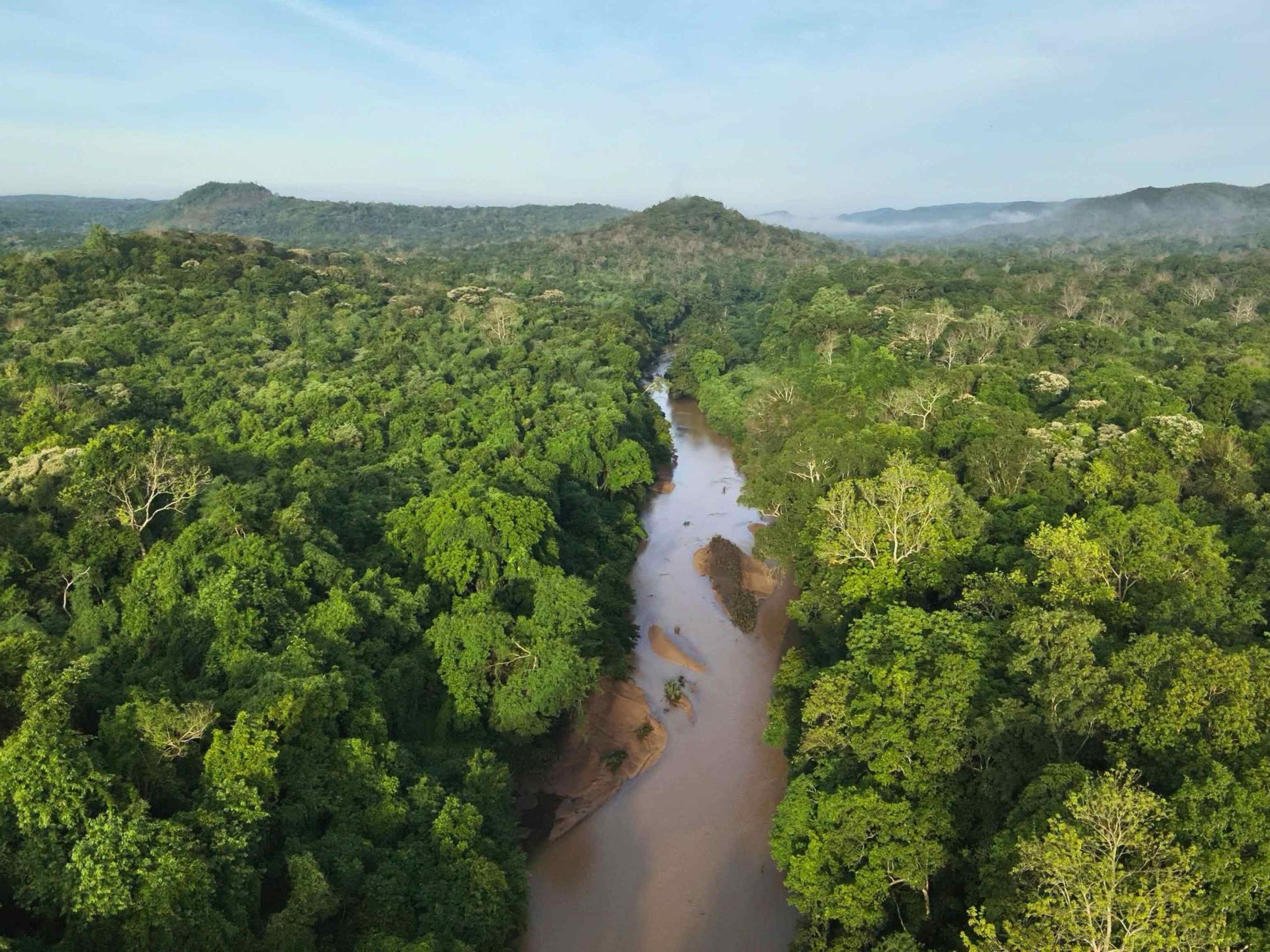 Ea So National Park – Vietnam’s newest national park, established in July 2026.
National Parks in Southern Vietnam
Southern Vietnam’s national parks reveal another side of the country’s natural diversity. Their protected landscapes range from tropical forests and internationally important wetlands to peat-swamp ecosystems, mangroves, islands and marine environments.
|
National Park |
Current Location | Area | What Makes It Special |
| Cat Tien | Dong Nai & Lam Dong | ~82,000 ha protected landscape |
Lowland tropical forest and rich wildlife |
|
Bu Gia Map |
Dong Nai | ~25,600 ha | Forest biodiversity of southeastern Vietnam |
| Lo Go–Xa Mat | Tay Ninh | ~30,000 ha |
Forest ecosystem near the Cambodian border |
|
Tram Chim |
Dong Thap | ~7,300 ha | Mekong Delta wetlands and birdlife |
| Phu Quoc | An Giang | ~31,400 ha |
Tropical island forest and coastal ecosystems |
|
U Minh Thuong |
An Giang | ~8,000 ha | Peat-swamp forest and wetland ecosystem |
| U Minh Ha | Ca Mau | ~8,500 ha |
Melaleuca forest and peatland |
|
Mui Ca Mau |
Ca Mau | ~41,800 ha | Mangrove and coastal ecosystems at Vietnam’s southern tip |
| Con Dao | Ho Chi Minh City | ~6,000 ha terrestrial + 14,000 ha marine |
Forest, coral reefs, seagrass and sea turtles |
From the wildlife-rich forests of the mainland to the wetlands of the Mekong Delta and the marine ecosystems of Con Dao and Phu Quoc, Southern Vietnam’s national parks showcase a remarkably diverse side of the country’s natural heritage.
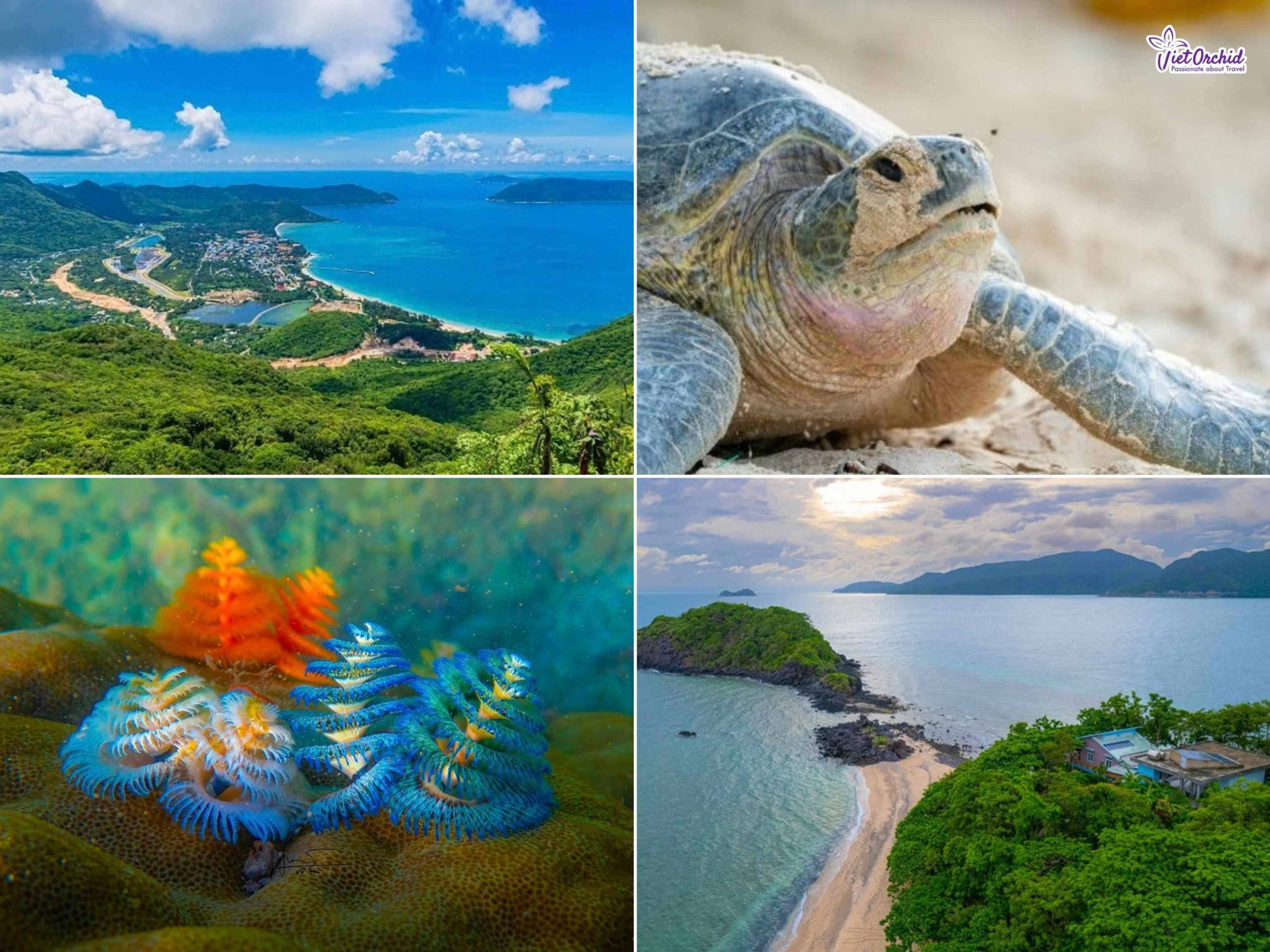 Con Dao National Park – Where tropical forests meet rich marine ecosystems.
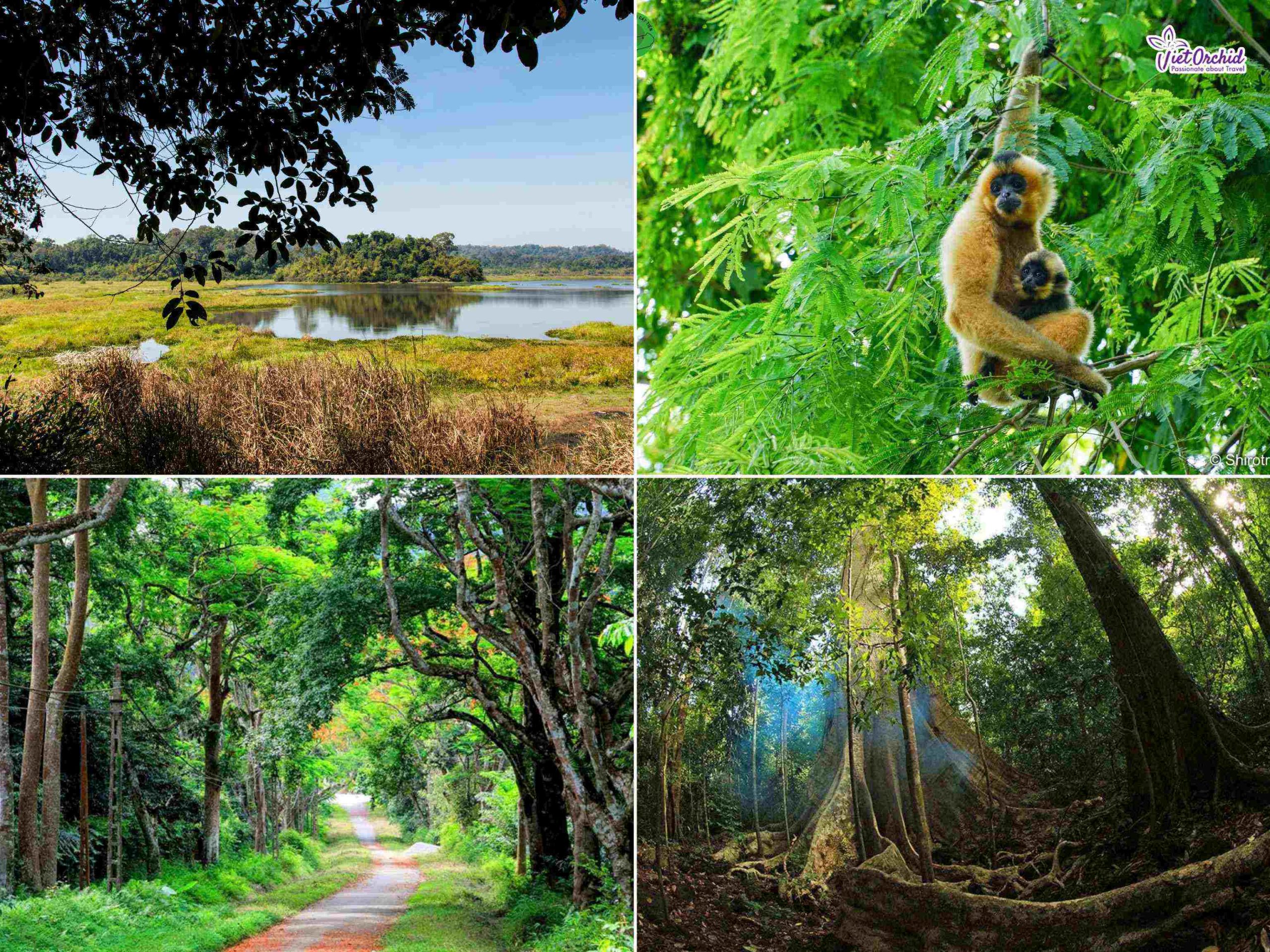 Cat Tien National Park – One of southern Vietnam’s most important wildlife habitats.
2. Responsible Travel in Vietnam’s National Parks
Visiting Vietnam’s national parks offers a chance to experience the country beyond its cities and cultural landmarks, but these protected areas are first and foremost places of conservation.
Travelers should follow designated trails and park regulations, avoid disturbing or feeding wildlife, and never remove plants, rocks or other natural materials. In sensitive or restricted areas, visitors should travel with authorized guides and respect any limitations designed to protect wildlife and fragile ecosystems.
Simple choices can also make a difference. Reducing single-use plastics, disposing of waste responsibly, choosing ethical wildlife experiences and respecting communities living in and around protected areas can help ensure that tourism contributes positively to conservation and local livelihoods.
Exploring a national park is not only about enjoying beautiful scenery — it is also about helping preserve the natural environments that make these places worth visiting.
3. Discover Vietnam Beyond the Usual Routes
For travelers interested in nature, wildlife, hiking, photography or simply discovering a quieter side of Vietnam, the country’s national parks offer a rewarding contrast to its cities and cultural landmarks.
Whether incorporated into a longer Vietnam itinerary or explored as destinations in their own right, these protected landscapes offer a meaningful way to experience Vietnam’s remarkable natural diversity.
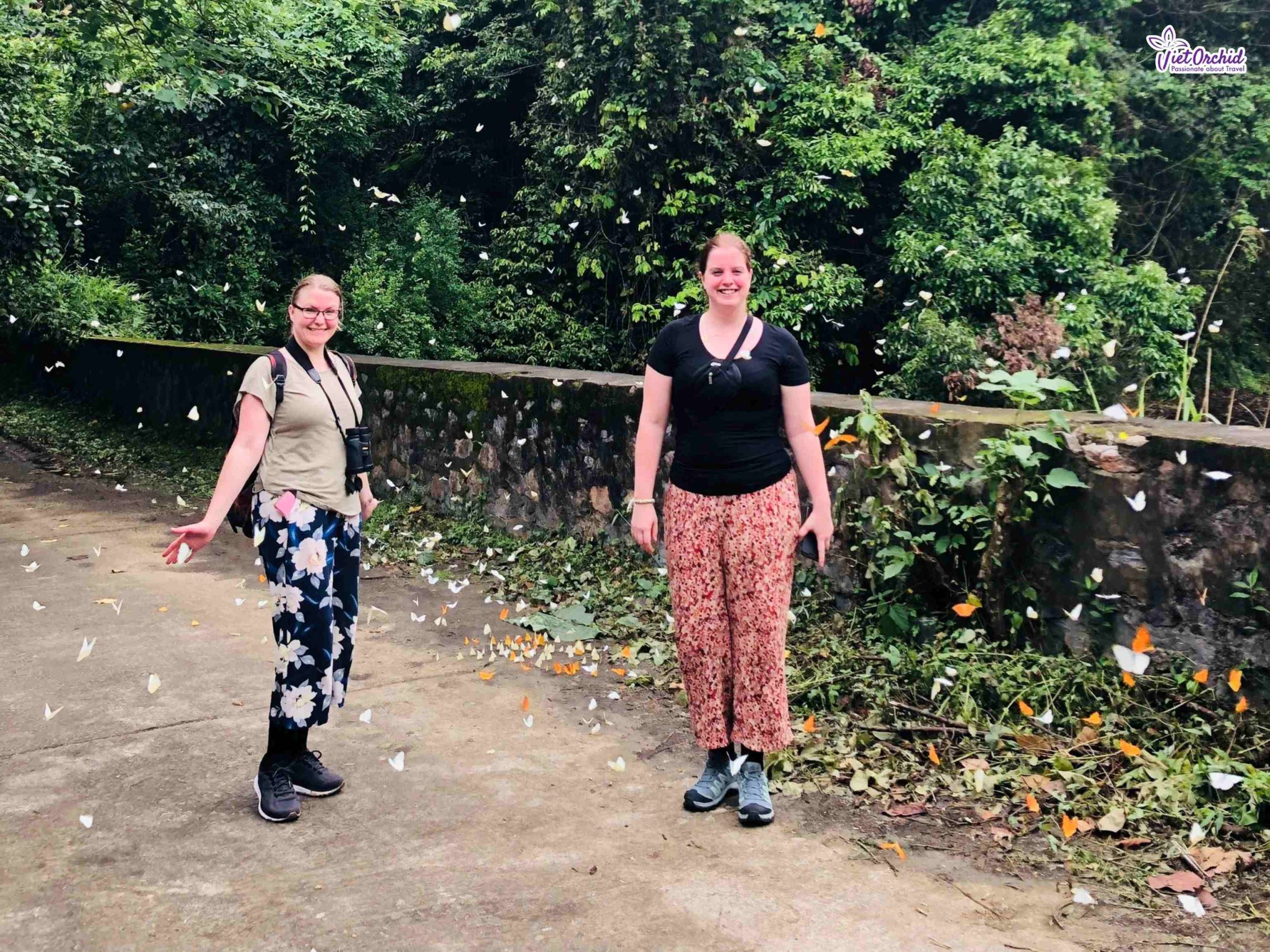 Our guests enjoying butterfly season in Cuc Phuong National Park.
Discover Vietnam beyond the usual routes with a tailor-made journey by Viet Orchid Travel.
Sources: Vietnam Department of Forestry and Forest Protection (VNFOREST), national park authorities and UNESCO World Heritage Centre.
Viet Orchid Travel