
Most Prominent Ancient Capitals in Vietnam: A Journey Through Time
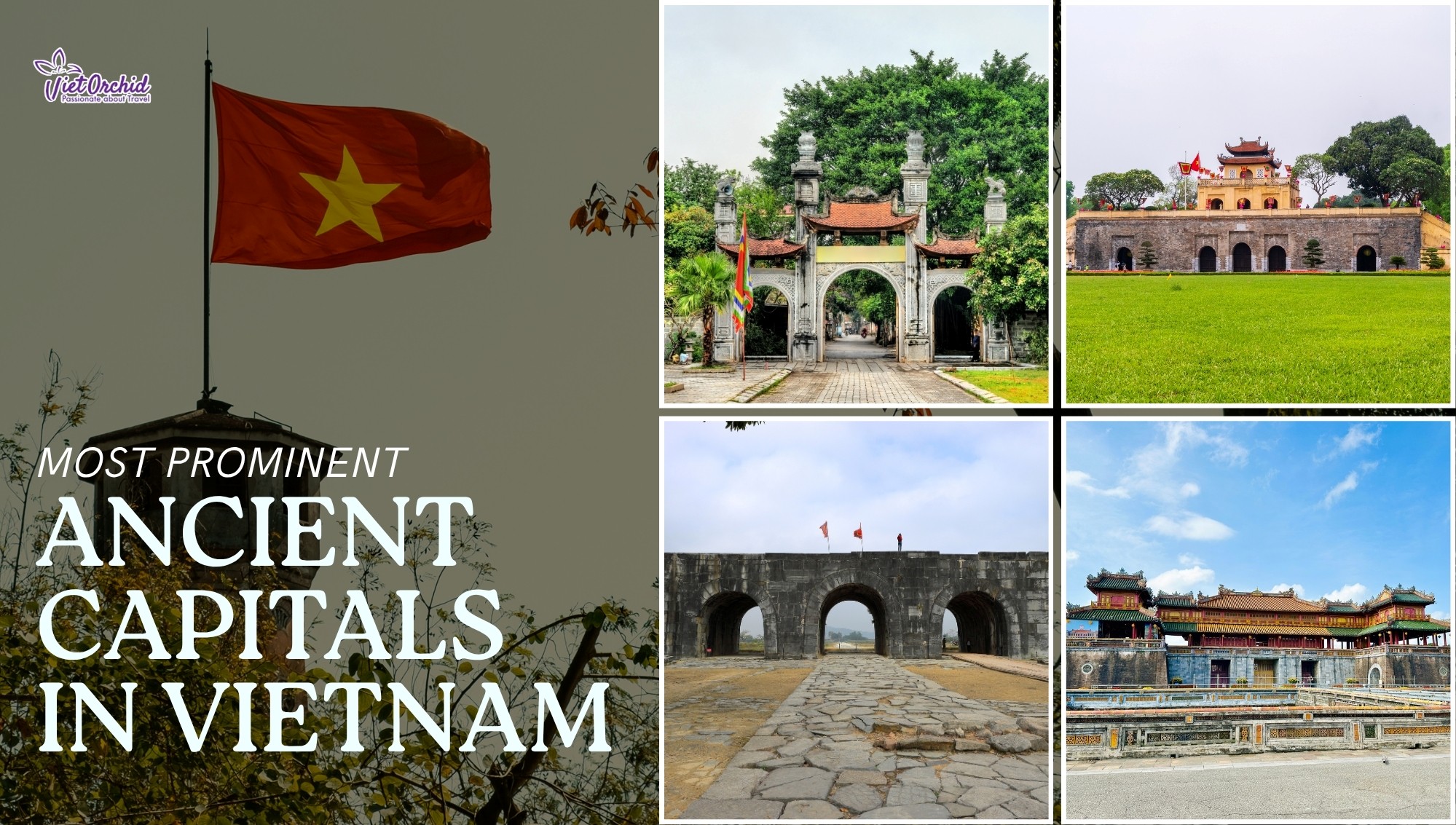
Vietnam’s history spans thousands of years, shaped by the rise and fall of powerful dynasties. While the country has had several capitals throughout different periods, this guide focuses on the most prominent ancient capitals in Vietnam – destinations that best reflect its historical legacy and remain accessible to travelers today.
1. Hoa Lu Ancient Capital – The Birthplace of Vietnam’s First Centralized Kingdom
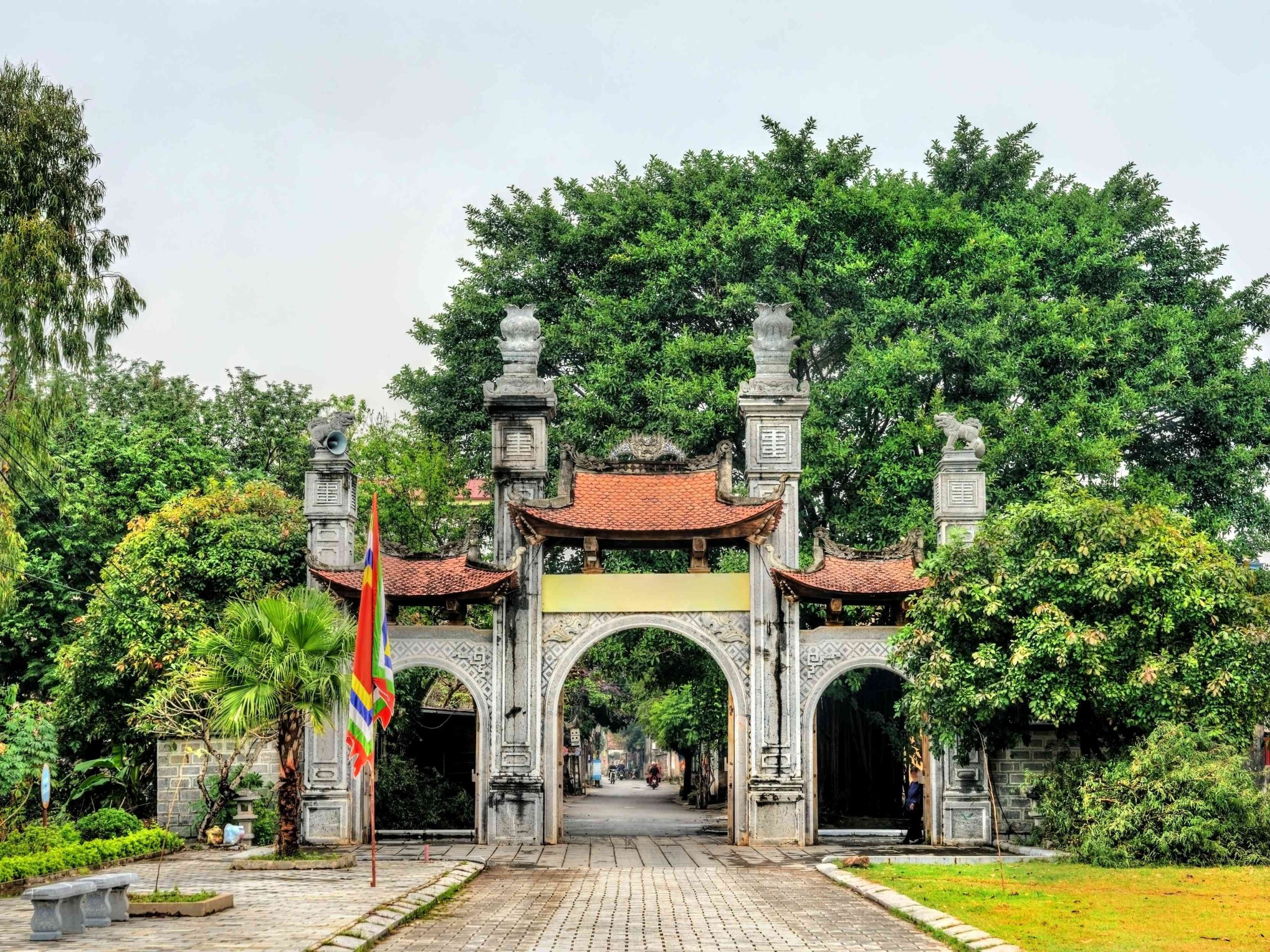 Photo: Leonid Andronov / Getty Images (via Canva)
Hoa Lu, located in Ninh Binh, served as the capital in the 10th century under the Dinh and Early Le dynasties. Hoa Lu Ancient Capital was the capital of Vietnam from 968 to 1009. Set among limestone mountains and natural defenses, it was strategically chosen after Vietnam regained independence, marking the formation of the country’s first centralized feudal state.
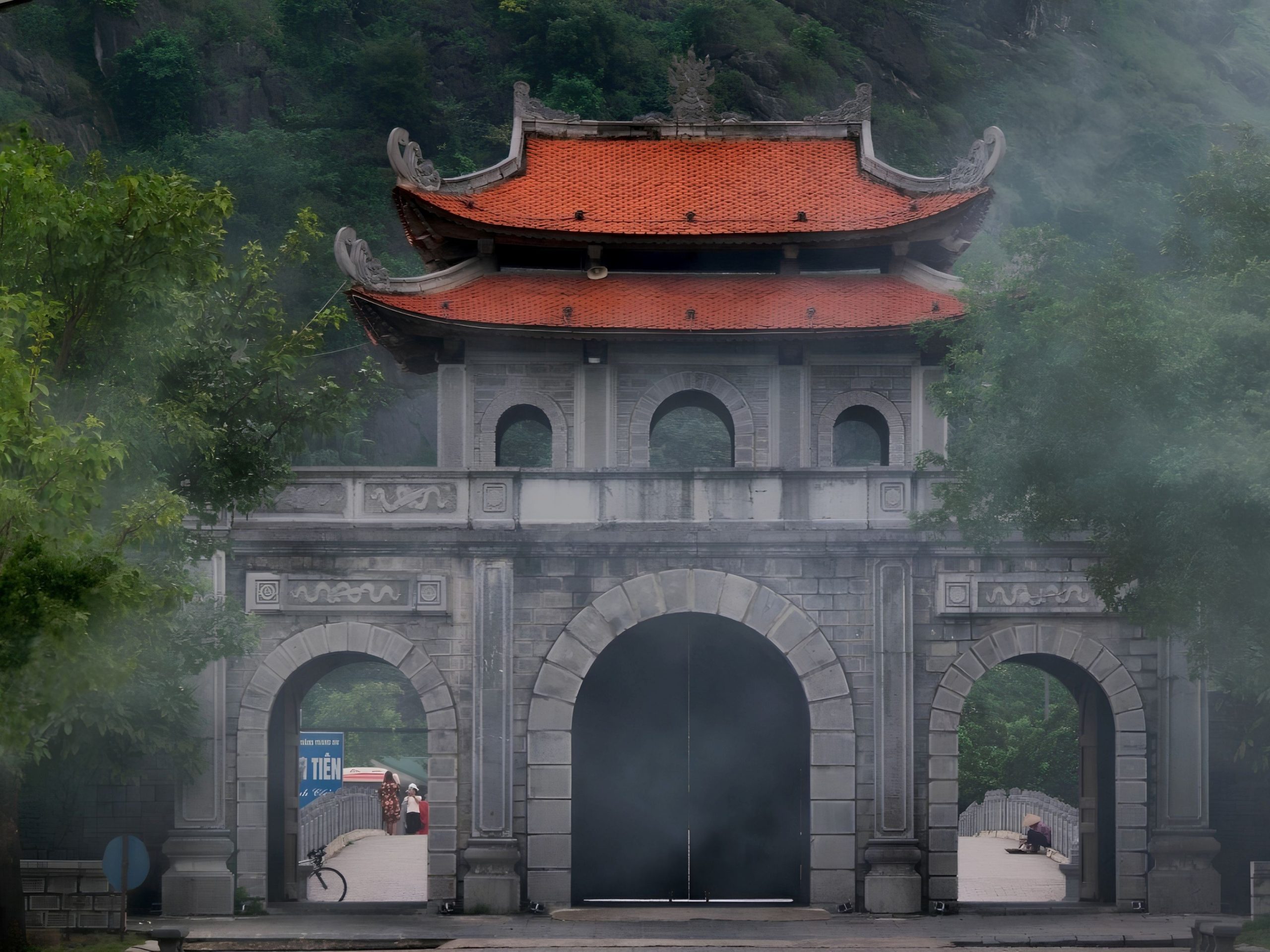 Photo: TripsPoint.com
Although much of the original royal palace has not survived, Hoa Lu still preserves important monuments such as the temples of King Dinh Tien Hoang and King Le Dai Hanh. These structures, combined with the dramatic landscape, reflect both political significance and spiritual heritage.
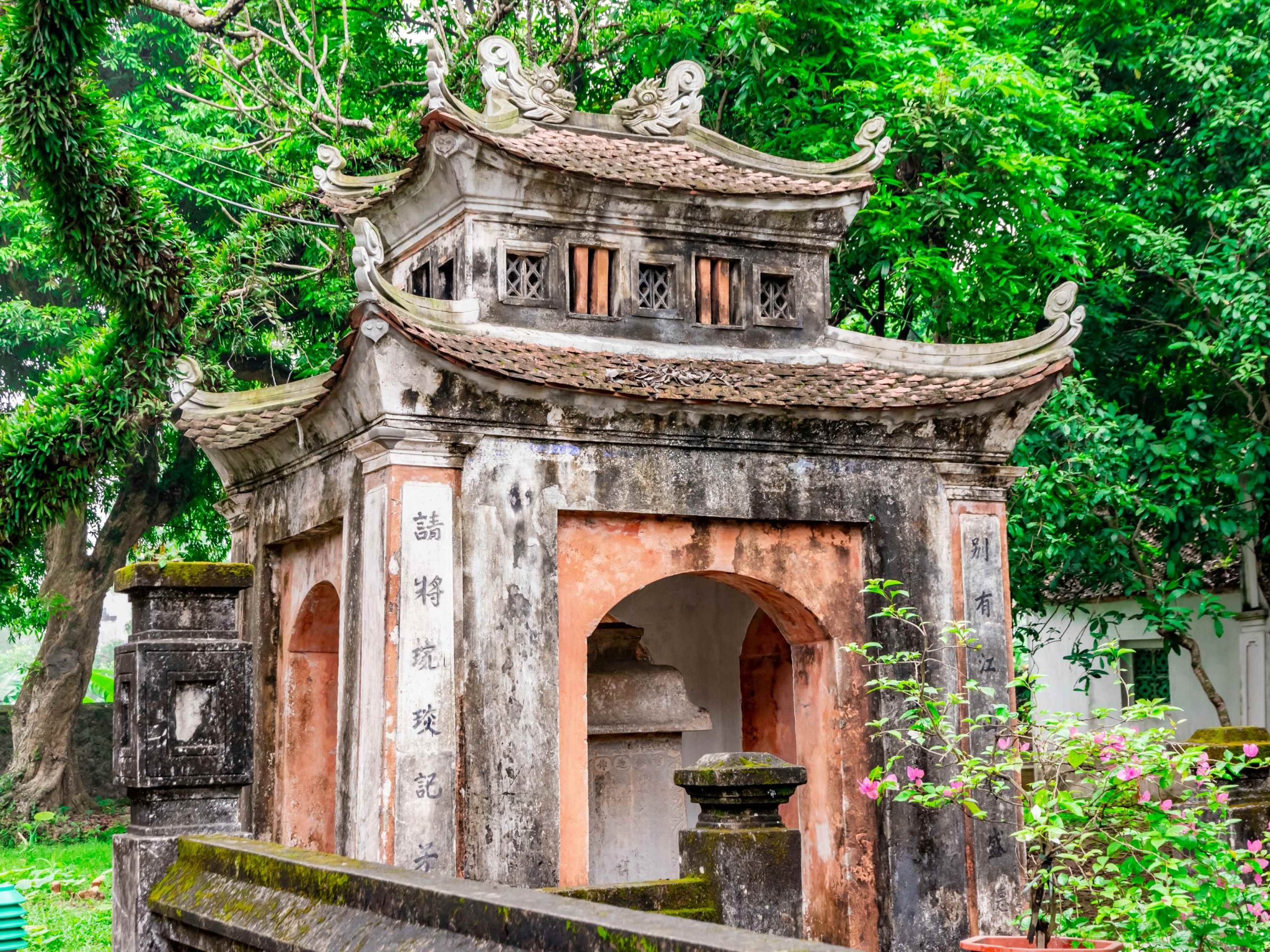 Photo: Surokuma / Getty Images (via Canva)
Today, Hoa Lu is often explored alongside nearby attractions like Trang An or Tam Coc. Visitors can walk through ancient temple grounds while surrounded by towering karst scenery, experiencing a peaceful yet historically rich environment.
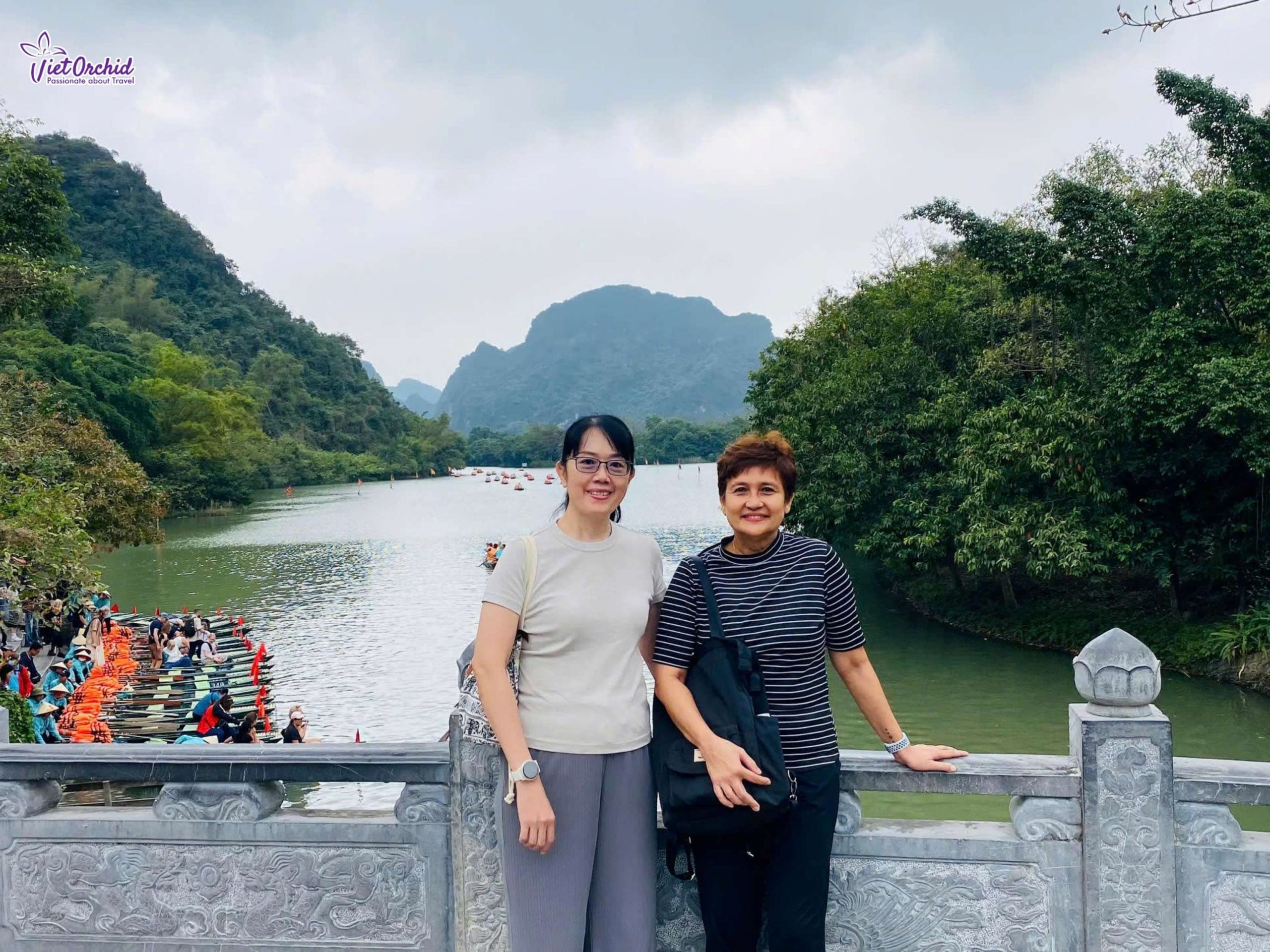 Our travelers visit Trang An, Ninh Binh
2. Imperial Citadel of Thang Long – A Capital Shaping Vietnam for Centuries
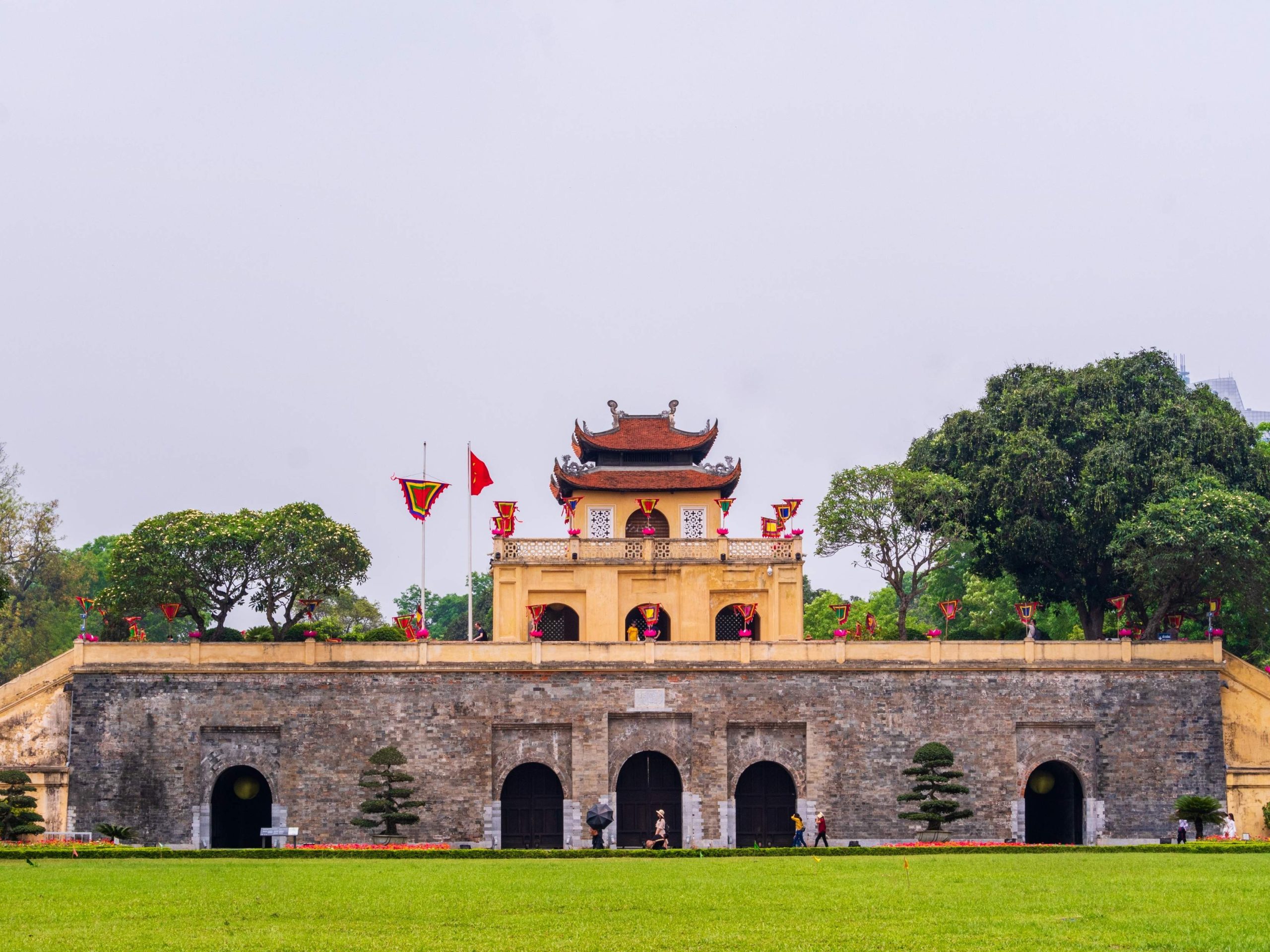 Photo: Surokuma / Getty Images (via Canva)
Following Hoa Lu, Emperor Ly Thai To moved the capital to Thang Long in 1010, marking a turning point in Vietnam’s development. From this moment on, Thang Long became the main political center for much of the country’s history, spanning multiple dynasties over nearly a millennium.
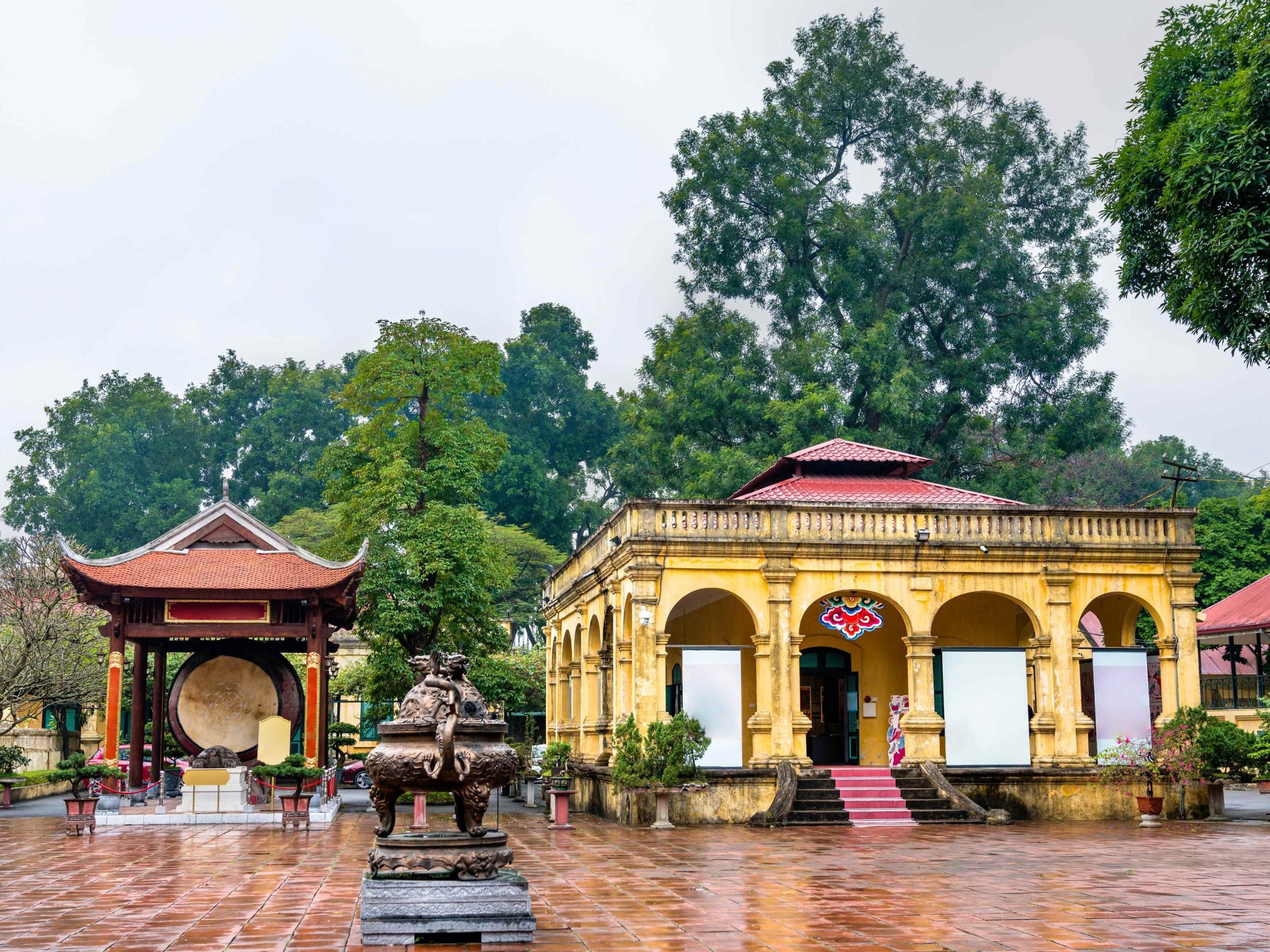 Photo: Leonid Andronov / Getty Images (via Canva)
The Imperial Citadel of Thang Long stands as the most important historical site, recognized as a UNESCO World Heritage Site. Key surviving structures include the Flag Tower (Ky Dai), Doan Mon Gate, Kinh Thien Palace Foundation, Hau Lau, and Bac Mon Gate. Nearby, the 18 Hoang Dieu Archaeological Site reveals layered remains dating from the Dai La period through successive dynasties such as Ly, Tran, and Le, highlighting the long continuity of royal power.
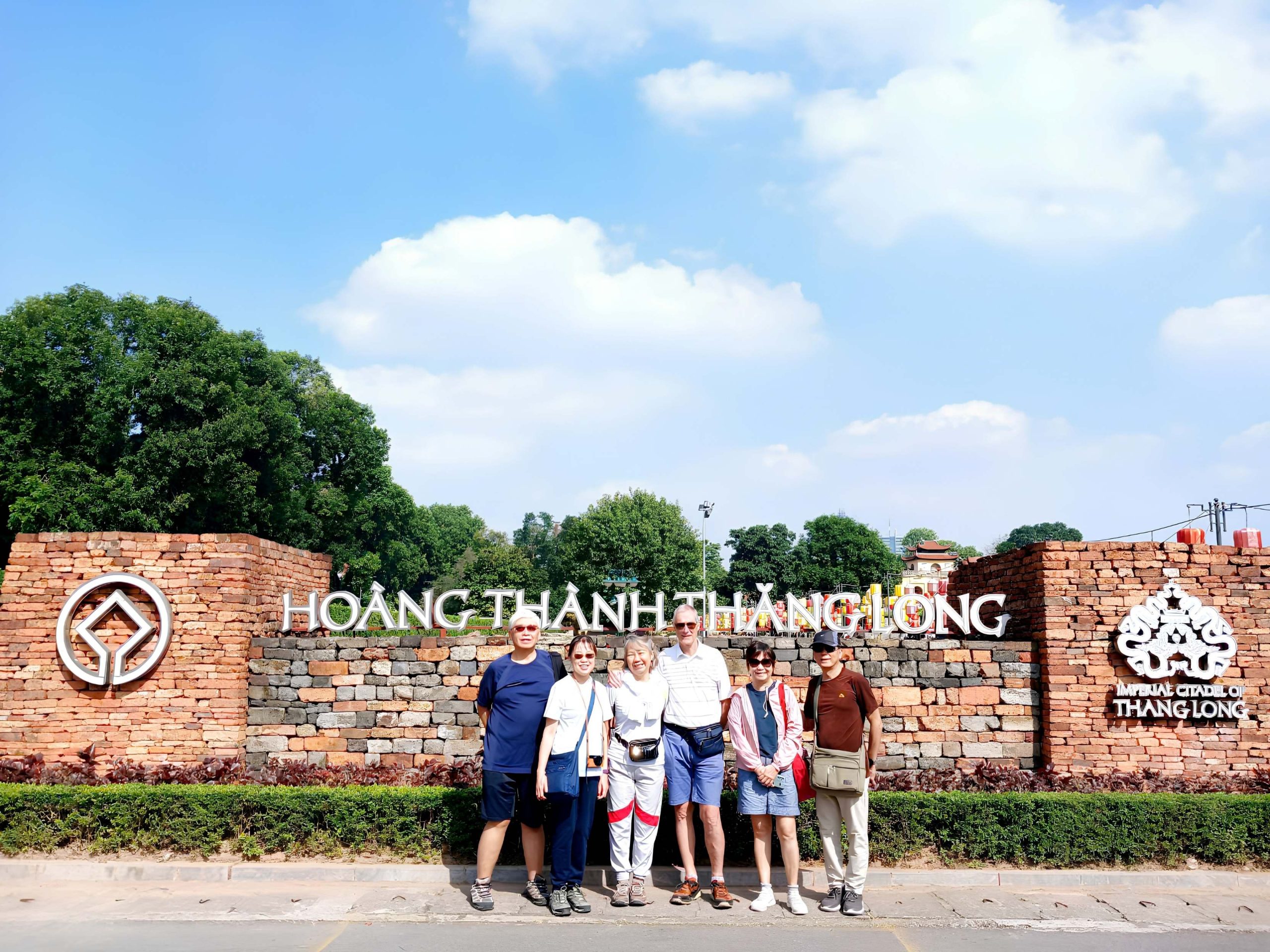 Our travelers visit Imperial Citadel of Thang Long
Modern Hanoi has grown around this legacy, blending ancient heritage with dynamic urban life. Travelers can explore the citadel, visit historical landmarks, and experience a city where tradition and modernity exist side by side.
3. Ho Dynasty Citadel (Tay Do) – A Short-Lived but Remarkable Stone Capital
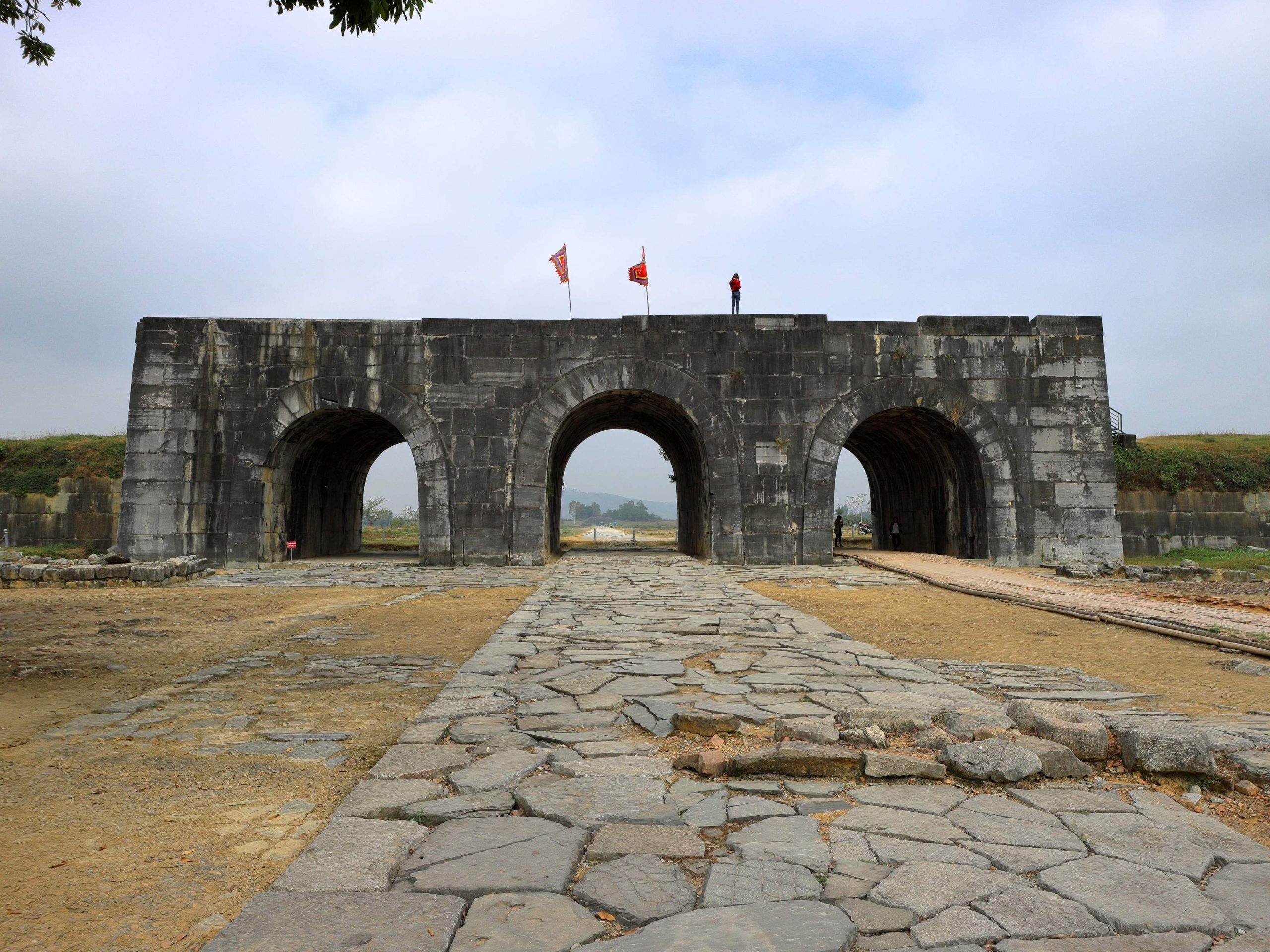 Photo: Surokuma / Getty Images (via Canva)
In the late 14th century, the capital briefly shifted to Tay Do under the Ho Dynasty. Although it served as the political center for only a short period (1400–1407), this site remains one of the most unique capitals in Vietnam due to its extraordinary stone architecture.
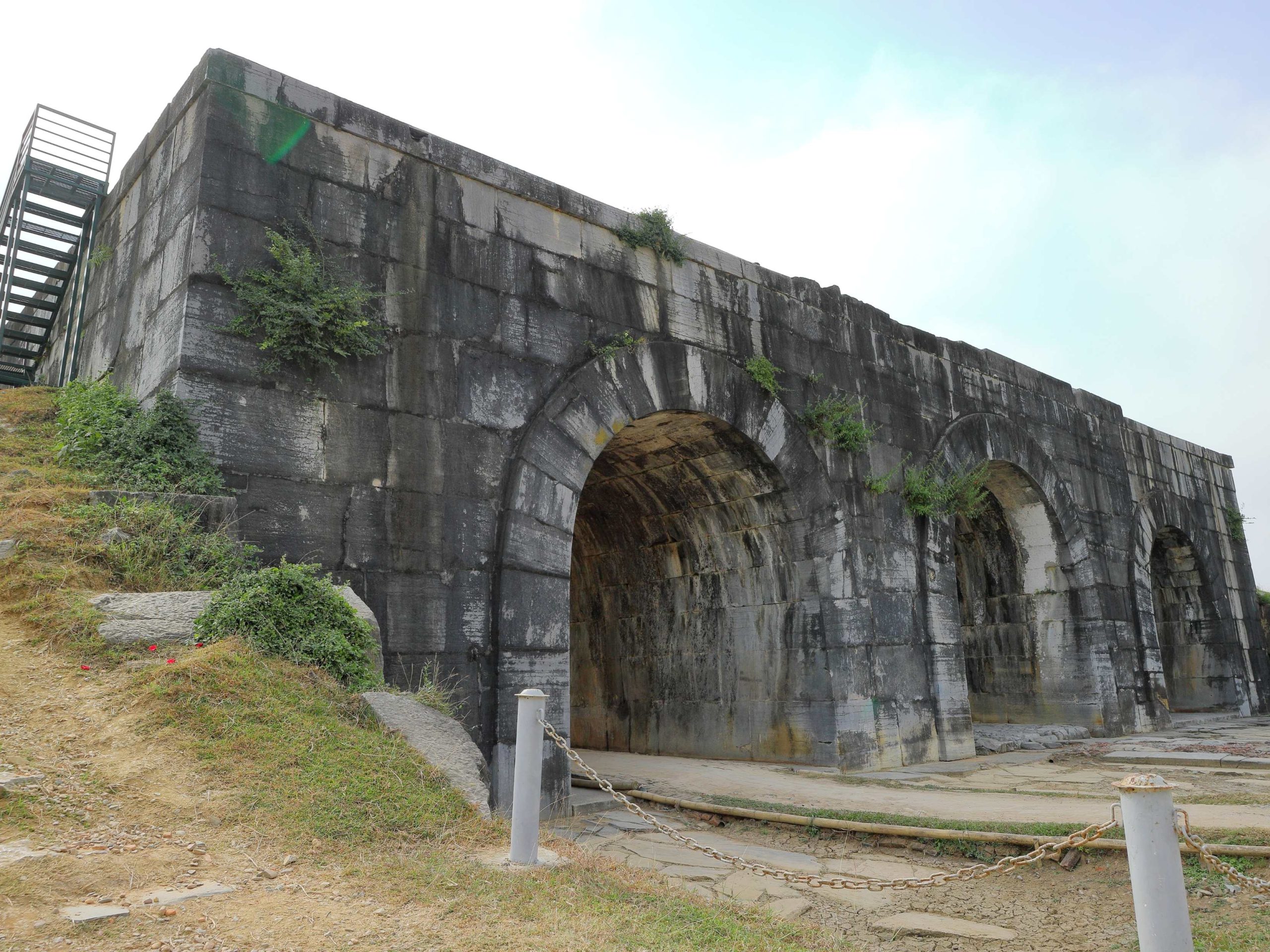 Photo: Surokuma / Getty Images (via Canva)
The Ho Citadel, now a UNESCO World Heritage Site, was constructed using massive limestone blocks fitted together without mortar. Its monumental gates and walls demonstrate advanced engineering techniques that were rare in Southeast Asia at the time.
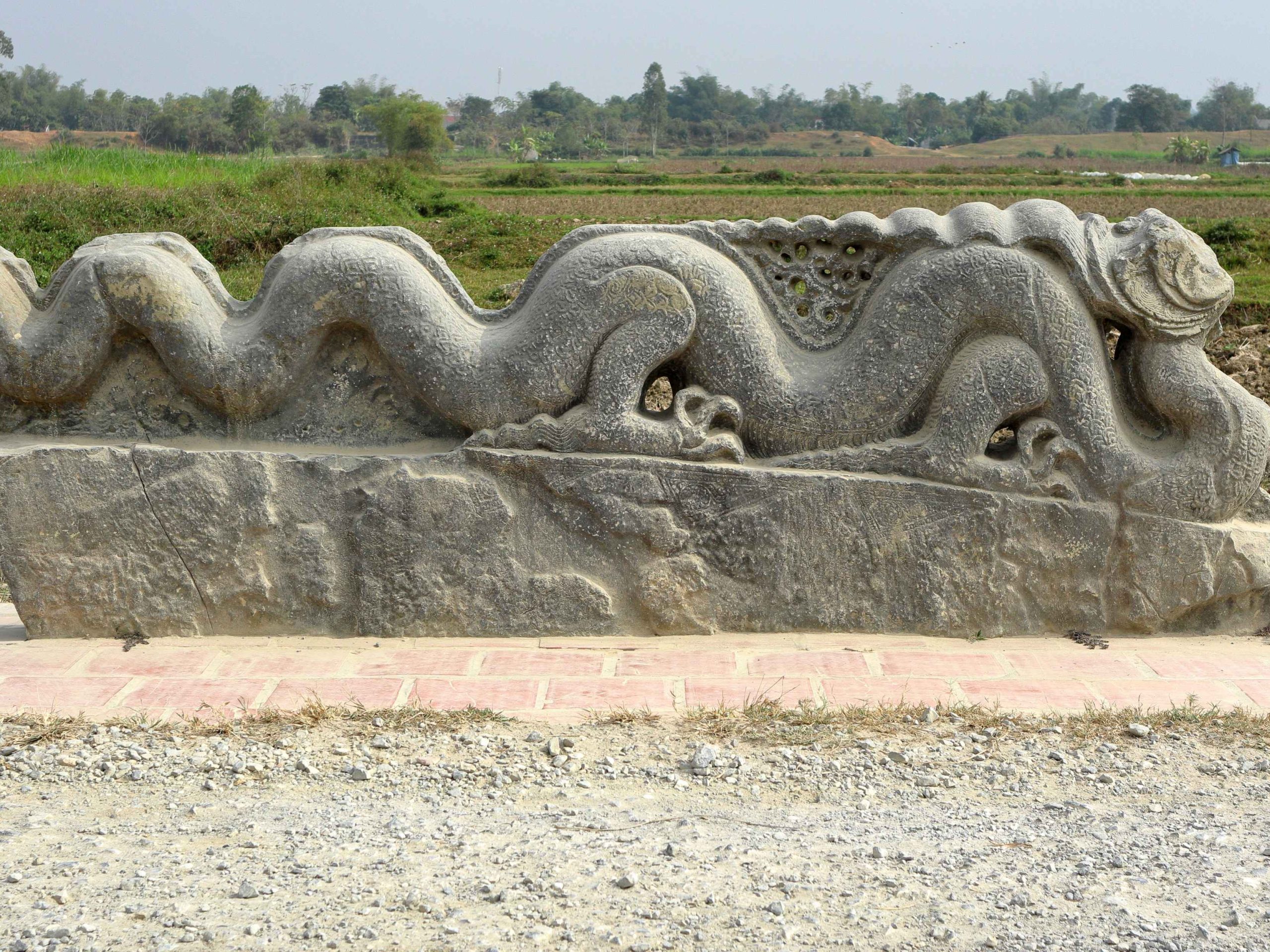 Photo: Surokuma / Getty Images (via Canva)
Today, Tay Do offers a quieter and less crowded historical experience. Visitors can explore the vast stone structures and gain insight into a transitional yet fascinating chapter of Vietnam’s past.
4. Hue Imperial Citadel – The Last Imperial Capital of Vietnam
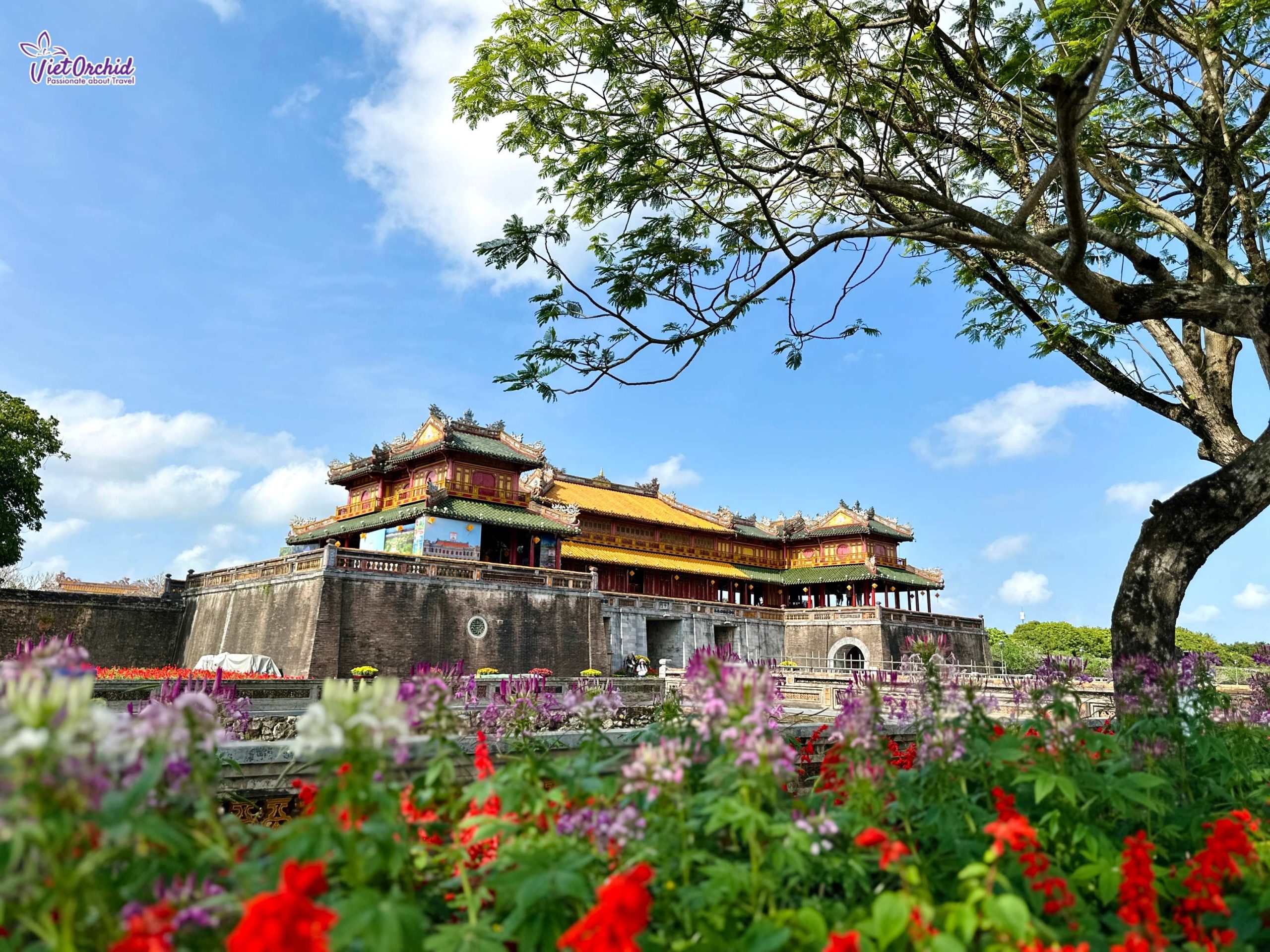
The final imperial capital of Vietnam was established in Hue in 1802 under the Nguyen Dynasty. Designed as a planned royal city, Hue reflects Confucian philosophy and imperial authority, marking the last era of monarchy before it ended in 1945.
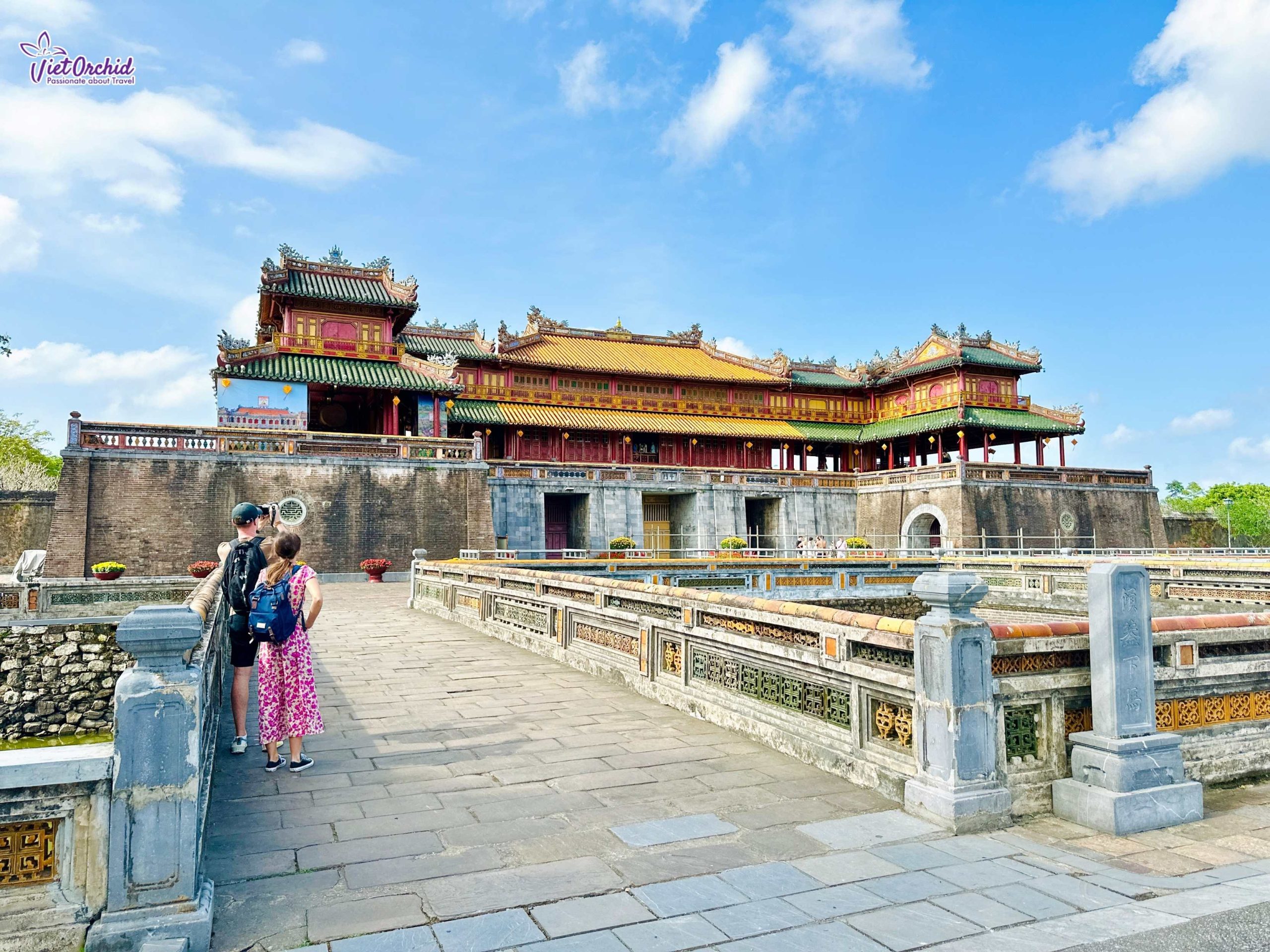
At the heart of the city lies the Imperial City, a vast complex of palaces, gates, temples, and royal residences enclosed by fortified walls. Beyond this, the region features elaborate royal tombs and pagodas along the Perfume River, showcasing both political power and artistic refinement.
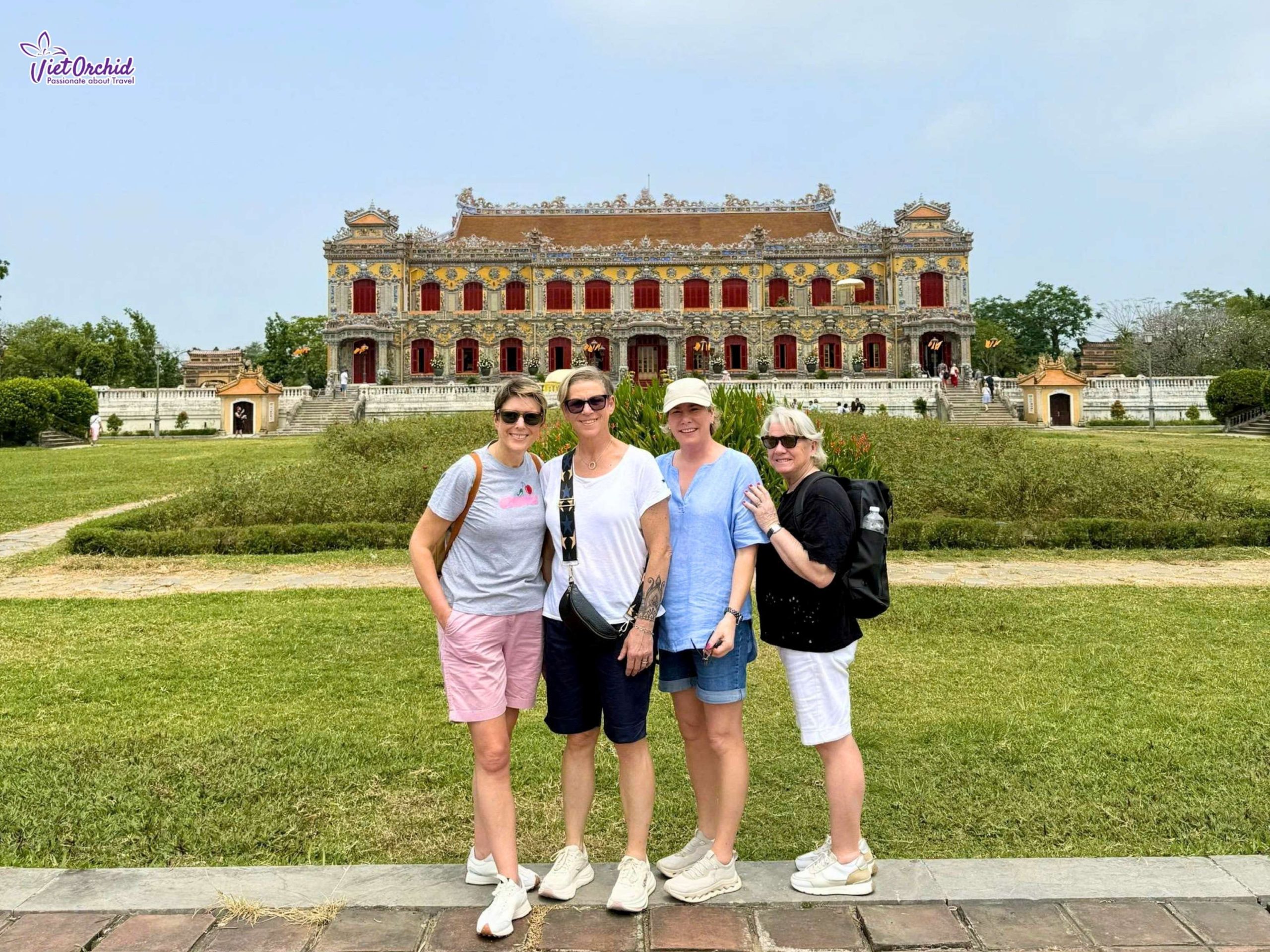 Our travelers explore Kien Trung Palace within the Hue Imperial City
Hue remains one of the most culturally rich destinations in Vietnam. Visitors can explore royal architecture, enjoy traditional cuisine, and experience a slower, more poetic atmosphere deeply connected to the country’s heritage.
A Journey Through Vietnam’s Historical Timeline
From the mountain fortress of Hoa Lu to the enduring influence of Thang Long, from the unique stone construction of Tay Do to the refined imperial elegance of Hue, each capital represents a distinct phase in Vietnam’s history. Together, they form a compelling timeline of political transformation, cultural development, and architectural achievement.
For international travelers, visiting these sites is more than a sightseeing experience. It is an opportunity to understand how Vietnam evolved over centuries, with each former capital offering a different perspective on the nation’s identity.
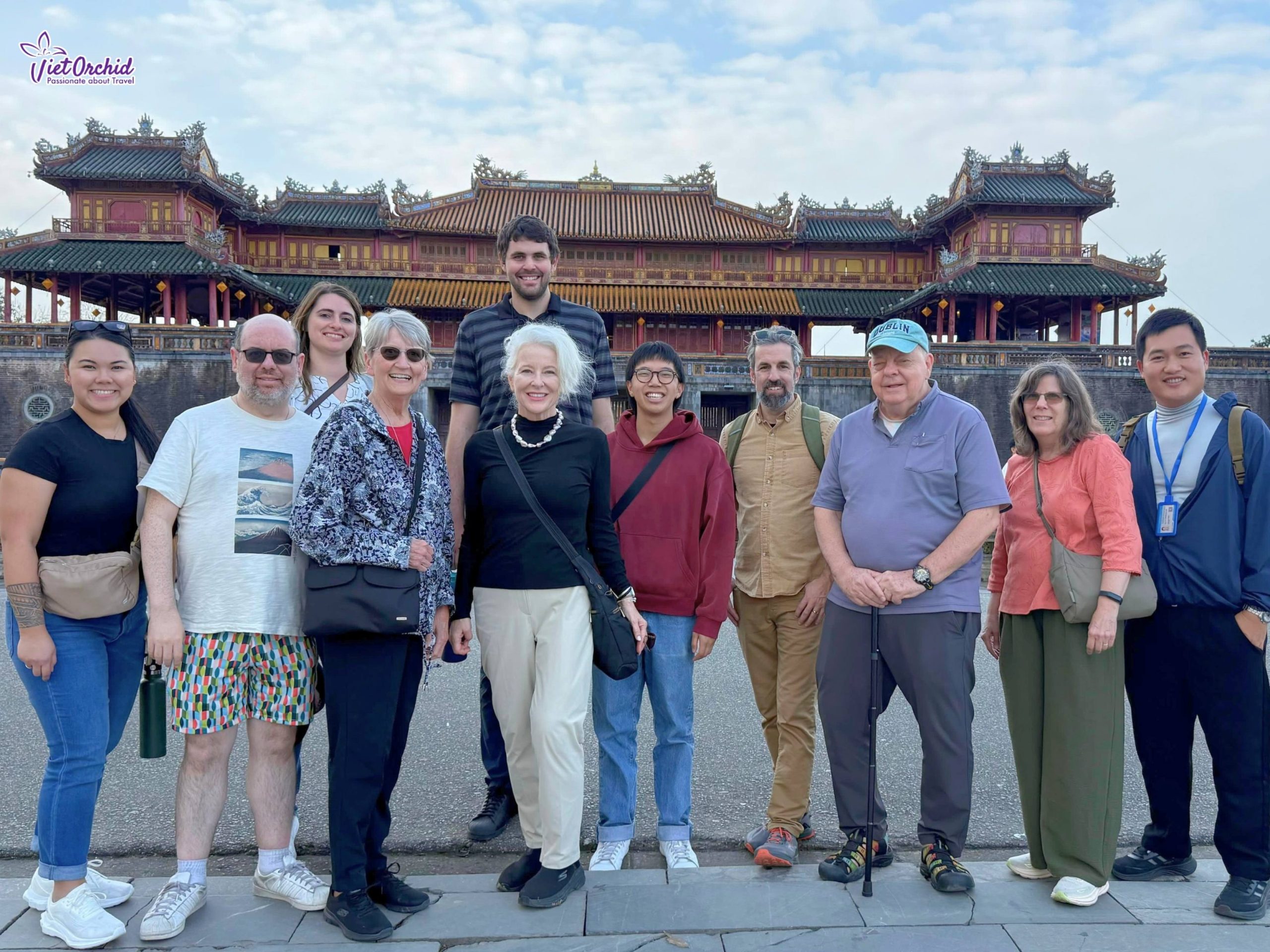
To fully experience Vietnam’s ancient capitals, exploring with Viet Orchid Travel, a local tour operator offering thoughtfully designed cultural journeys. With expert English-guides and personalized itineraries, they help you uncover the history, stories, and hidden beauty behind each destination in a seamless and enriching way in Vietnam.
Viet Orchid Travel